Why Choose One Trip Shipping Containers?
Why Choose One Trip Shipping Containers?
Global trade depends on reliable equipment moving through unpredictable supply chains. UNCTAD’s Review of Maritime Transport 2024 reports that maritime transport carries over 80% of global merchandise trade by volume. The same report recorded approximately 858 million TEUs handled by container ports in 2023. These figures show why container quality affects more than appearance. It can influence cargo protection, handling efficiency, and long-term operating costs.
One trip shipping containers are usually manufactured for export cargo, then sold after one completed journey. Their corten-steel walls often show minimal corrosion, while the doors, seals, flooring, and locking bars remain relatively fresh. The result is a cleaner unit for storage, construction, retail, or controlled logistics applications. However, “one trip” is not a universal guarantee. Seller definitions can differ. Inspection still matters.
Christian Roeloffs, co-founder and CEO of Container xChange, has noted, “The container market is highly dynamic.” That observation matters when buyers compare purchase prices, availability, and delivery charges. A low headline price may hide inland transport, crane handling, tax, or modification expenses. The container may look perfect online. Reality can be less polished.
A careful buyer checks the CSC plate, door alignment, floor condition, roof integrity, and previous cargo information. Container xChange market analyses also show that regional supply and demand can shift container prices quickly. Therefore, one trip shipping containers are not automatically the cheapest choice. They are often the more predictable choice, especially when appearance and structural condition matter. Still, buyers should question assumptions, compare inspection evidence, and request current quotations before committing.
What Are One Trip Shipping Containers?
Why Choose One Trip Shipping Containers?
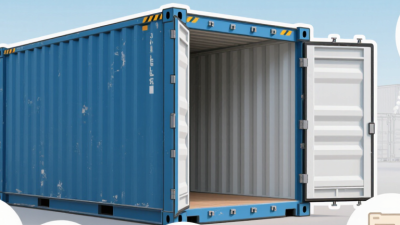
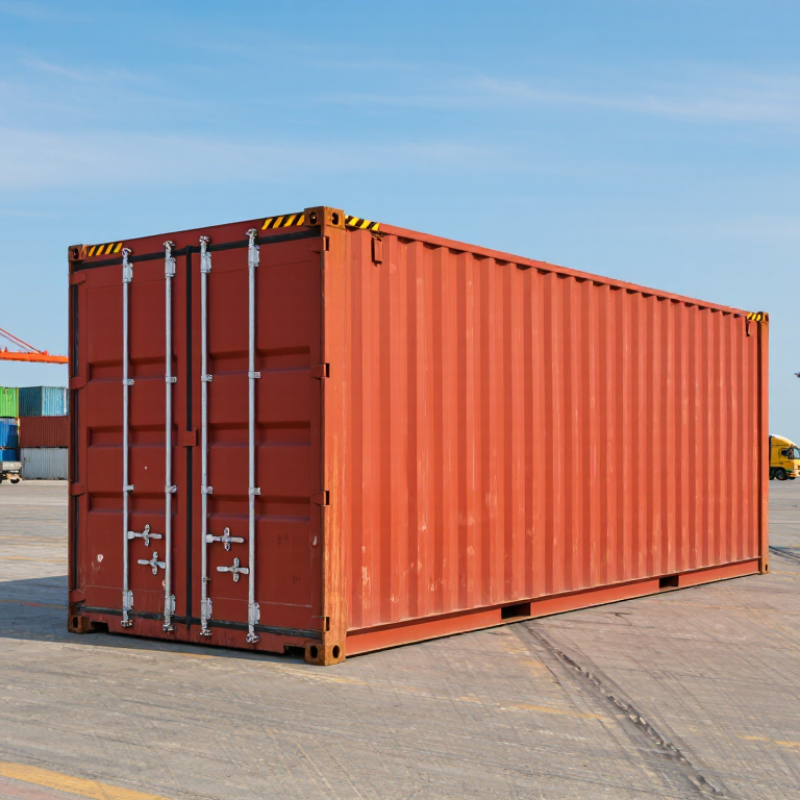
One trip shipping containers are newly manufactured units shipped from the factory to their first destination. They usually make one ocean journey before being sold for storage, transport, or conversion. Because they have limited handling, their steel walls often show fewer dents, scratches, and repairs. The doors should close firmly, and the original flooring usually remains in place. These details matter when protecting tools, furniture, documents, or business inventory.
Choosing a one trip container can provide a cleaner appearance and more predictable condition than a heavily used unit. It may also need less preparation before placement. However, “new” does not mean flawless. Small paint marks, minor surface rust, or uneven flooring can still appear after ocean transport. A professional inspection should check door seals, locking bars, corner posts, roof panels, and ventilation openings. Container dimensions must also suit the intended site, access route, and local placement requirements. A good-looking unit can still be unsuitable.
Tips: Ask for recent photos of the roof, floor, doors, and interior corners. Measure your available space carefully. Check the container’s external and internal dimensions before ordering. Confirm that the floor is dry and free from strong odors. If possible, inspect the unit in person. I have found that small overlooked details, such as a tight door seal, can become expensive problems later.
Why Choose One-Trip Shipping Containers?
One-trip shipping containers are newly manufactured containers used once to transport cargo from the factory to their destination. Their clean condition, minimal wear, and standardized dimensions make them suitable for storage, transport, and conversion projects.
The chart shows typical nominal internal cargo volume for common container sizes. Actual capacity can vary slightly by manufacturer, door configuration, and construction details. Values are based on commonly published ISO container specifications.
How One Trip Containers Differ from Used Shipping Containers
Why Choose One Trip Shipping Containers?
One trip shipping containers are manufactured for cargo transport, then shipped once to their destination. They usually arrive with limited handling history and a cleaner exterior. Their Corten steel panels often show fewer dents, scratches, and repairs than used units. Door bars may operate more smoothly, while rubber seals often remain flexible. That difference matters.
Used shipping containers can provide excellent value, but their condition varies widely. One unit may have a solid floor and tight doors. Another may carry patched panels, surface rust, or a history of difficult loading. One trip containers offer more predictable starting conditions. They are often preferred for storage, workshops, site offices, and projects where appearance matters. However, “one trip” does not mean flawless. Ocean transport can leave small marks, salt residue, or minor floor wear.
A careful inspection still matters.
Check the door alignment, corner posts, roof, floor, and ventilation openings. Look for daylight around closed doors. Confirm the container’s external and internal dimensions before planning installation. Ask for available inspection records and required compliance documents. Local placement rules may also affect site preparation, lifting, and access. A container that looks new can still be unsuitable for a sloped site or narrow driveway. I have seen buyers focus on paint quality and overlook drainage, which later became the more expensive problem. Practical planning beats a perfect finish.
Key Benefits of Choosing One Trip Containers
Why Choose One Trip Shipping Containers?
Key Benefits of Choosing One Trip Containers
One trip containers are manufactured overseas, shipped once, and sold after delivery. Their limited travel usually means fewer dents, cleaner interiors, and less floor wear. This matters when storing equipment, documents, tools, or temperature-sensitive materials. UNCTAD reports that over 80% of global merchandise trade by volume moves by sea. Therefore, container condition can affect many supply chains, not just international transport.
A newer unit also offers more predictable dimensions and door operation. Its weather-resistant steel may require fewer immediate repairs. The original factory floor often remains flatter and stronger than a heavily reused floor. ISO container standards support consistent external dimensions and handling requirements. Still, “one trip” does not mean perfect. Field inspections may reveal minor scratches, surface rust, or shipping marks. Buyers should check door seals, locking bars, roof panels, ventilation openings, and the CSC safety plate. A low purchase price can hide delivery, crane, tax, or foundation costs.
Tips: Request dated photos of all sides and the interior. Measure the placement area before ordering. Ask for the manufacturing date and inspection documents. A moisture test can expose hidden condensation problems. Choosing the newest unit is not always necessary; a sound used container may suit basic storage better. That judgment deserves careful review.
What to Check Before Buying a One Trip Container
Why Choose One Trip Shipping Containers?
What to Check Before Buying a One Trip Container
A one trip container usually makes one ocean journey before reaching its next owner. It often has cleaner panels, tighter doors, and less floor wear than older units. However, “one trip” does not guarantee perfect condition. Inspect it carefully.
Check the corner posts, roof, sidewalls, and bottom rails for dents or repaired welds. Stand inside during daylight and look for narrow beams of light. They may reveal pinholes or poor seals. Open and close both doors several times. The locking bars should move smoothly, while the rubber gaskets should sit evenly. Inspect the plywood floor for moisture, stains, or strong chemical smells. A clean appearance can mislead you.
Ask for clear photos, delivery measurements, and the container’s identification details. Confirm its external and internal dimensions before planning storage or modification work. Review the coating condition, especially around welds and door edges, where early corrosion can appear. The roof deserves attention too; shallow dents may hold rainwater. I have learned that small defects become expensive when transport access is difficult. It is also wise to check local placement rules and obtain any required documentation before delivery. If possible, inspect the actual unit, not only a showroom sample. That extra visit may feel unnecessary. It rarely is.
Common Uses for One Trip Shipping Containers
Why Choose One Trip Shipping Containers?
One trip shipping containers are commonly used for secure storage, site offices, workshops, and small commercial spaces. They usually arrive in clean condition after one international journey. Their steel walls resist rain, wind, and daily handling. A sealed container can protect tools, spare materials, furniture, or archived files from dust and moisture. Still, “new” does not mean perfect.
On construction sites, these containers store electrical equipment, protective clothing, and packaged supplies. Lockable doors add practical security between shifts. Farmers use them for feed, irrigation parts, and seasonal equipment. With ventilation and suitable insulation, a container can also support a controlled workspace. Measure carefully. A forklift may need clear access, while uneven ground can twist the frame and affect door operation.
Many owners convert one trip containers into kiosks, studios, classrooms, or compact offices. Their uniform dimensions simplify planning, and the solid floor handles regular foot traffic. I once underestimated afternoon heat inside an uninsulated unit. The interior became uncomfortable within minutes. That mistake showed why ventilation, insulation, lighting, drainage, and local approvals deserve attention before modification. A professional inspection should check the roof, door seals, flooring, welds, and locking bars. Confirm the container’s size and condition in writing. Small details matter.