How to Choose the Right Cargo Shipping Container for Your Needs?
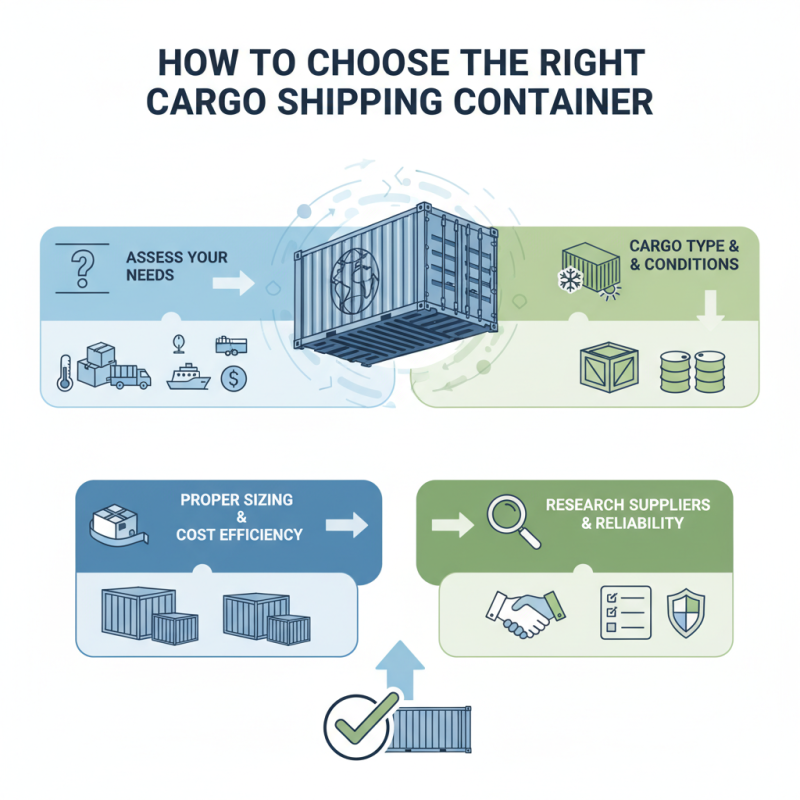
Choosing the right cargo shipping container can significantly impact your logistics experience. Whether you are transporting goods for trade or personal use, the right container ensures safety and efficiency. It’s essential to assess your specific requirements before making a decision.
Consider the type of cargo you plan to transport. Not all cargo shipping containers are created equal. Some are designed for dry goods, while others accommodate refrigerated products. It's vital to understand the conditions your items will face during transit. Proper sizing can prevent damage and reduce costs.
Many options exist in the market. Prices vary, and so do features. Research different suppliers and their offerings. Read reviews to gauge reliability. A well-chosen cargo shipping container simplifies your shipping process and protects your investment. Evaluate your choices carefully.
Types of Cargo Shipping Containers and Their Purposes
When selecting a cargo shipping container, understanding the types available is crucial. There are several types designed for specific functions. Standard containers are widely used for general cargo. They offer versatility and durability. For cargo requiring ventilation, consider vented containers. These are ideal for goods like fruits or vegetables. Furthermore, refrigerated containers are perfect for temperature-sensitive items, ensuring freshness during transit.
Tips: Evaluate your cargo's nature. Some goods need protection from moisture. Others need temperature controls. Keep your load in mind.
Specialty containers exist for unique needs. For oversized items, flat rack containers work best. Open-top containers allow for easy loading of tall cargo. Consider the weight limits of each type. You might find a suitable container, but not the right size.
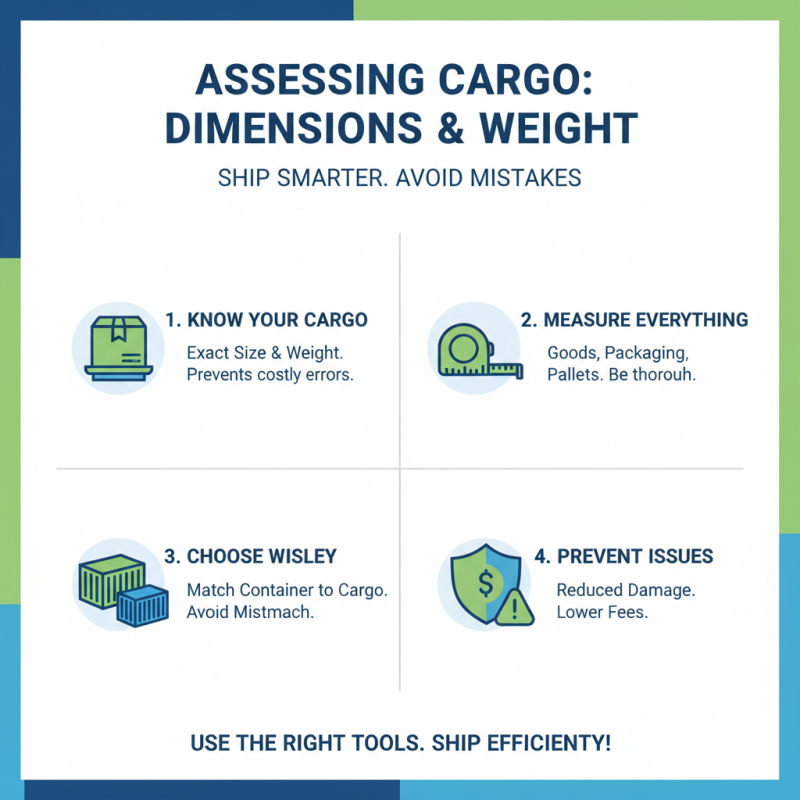
Tips: Measure your cargo before choosing a container. Consider both height and width. An ill-fitted container could lead to damage. Reflect on your shipping routes, too. Some containers handle certain environments better than others.
Key Factors to Consider When Selecting a Shipping Container
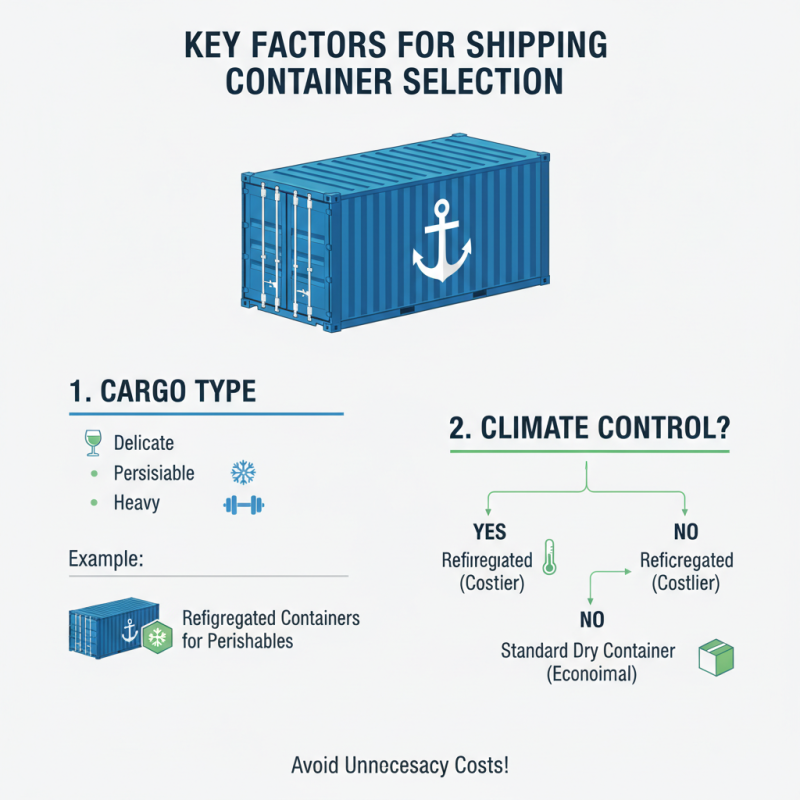
Choosing the right cargo shipping container goes beyond just size. You need to consider several key factors. First, identify the nature of your cargo. Is it delicate, perishable, or heavy? Different containers serve different purposes. For example, refrigerated containers are essential for perishable goods. However, not all items will need climate control. Understand your cargo's requirements to avoid unnecessary costs.
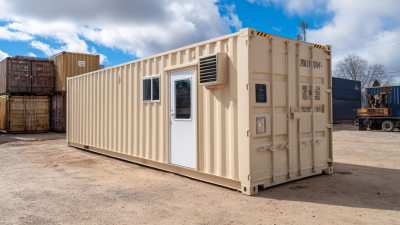
Next, the container's condition matters. New containers off the production line may seem appealing. But used containers can be a viable option as well. They can offer significant savings. Just ensure they meet safety and integrity standards. Inspect for rust, holes, or signs of damage. A thorough inspection can save you from future headaches.
Lastly, consider the shipping route. Will your cargo pass through rough weather or rugged terrain? This can affect your container choice. Enhanced weather resistance may be necessary. Think about the duration of shipping too. Long trips require durable containers to protect your goods. Reflect on these considerations to make a better choice for your needs.
Understanding Container Condition: New vs. Used
When selecting a cargo shipping container, understanding the condition—new or used—is crucial. New containers are often made to stringent quality standards, boasting a fresh coat of paint and structural integrity. According to industry reports, new containers can last up to 25 years under proper use. Their higher initial cost reflects this longevity, providing peace of mind to businesses prioritizing durability.
On the other hand, used containers present an affordable option. They are sold based on their grade, which significantly affects their reliability. A report from the Container Owners Association indicates that used containers can offer savings ranging from 30% to 50% compared to new ones. These containers may bear signs of wear, such as rust or dents, yet they can be suitable for short-term projects or storage needs. Buyers should inspect containers thoroughly. A poorly maintained container may lead to unforeseen expenses, including repairs or even cargo damage.
The choice between new and used containers hinges on your specific needs and budget constraints. While new containers provide assurance, used options offer flexibility and cost efficiency. Ultimately, assessing the intended use, budget, and condition of available containers should guide your decision-making.
Cost Considerations and Budgeting for Shipping Container Choices
When selecting a shipping container, budgeting is crucial. The cost of a new 20-foot container typically ranges from $2,000 to $4,500, depending on its condition and location. While used containers may start at $1,200, they often require additional repairs. Industry reports indicate that shipping costs rose by over 20% during the past year due to increased demand. This underscores the importance of planning your budget carefully.
Consider not only the purchase price but also storage and transportation costs. Renting a shipping container can cost between $100 to $300 a month, depending on size and contractual terms. Hidden fees such as delivery charges can add up quickly, so ensure clarity in your agreements. Unexpected expenses can strain your budget, leading to financial stress.
Budgeting should also account for customization. Modifications can increase overall costs significantly, with basic fittings averaging around $1,000. Identifying your needs ahead of time can save you from overspending. Always be prepared for fluctuations in market prices. Understanding these dynamics is key to a successful decision-making process in cargo shipping.
How to Choose the Right Cargo Shipping Container for Your Needs? - Cost Considerations and Budgeting for Shipping Container Choices
| Container Type |
Size (ft) |
Average Cost ($) |
Usage |
| Standard Dry Container |
20 |
$2,000 |
General Freight |
| Standard Dry Container |
40 |
$3,500 |
General Freight |
| Refrigerated Container |
20 |
$5,000 |
Perishable Goods |
| Refrigerated Container |
40 |
$8,000 |
Perishable Goods |
| Open Top Container |
40 |
$4,000 |
Overheight Cargo |
| Flat Rack Container |
40 |
$3,500 |
Heavy Machinery |