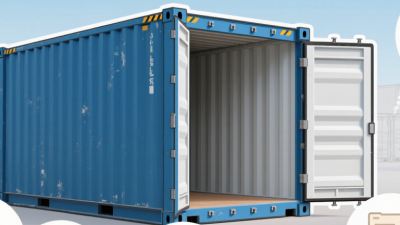
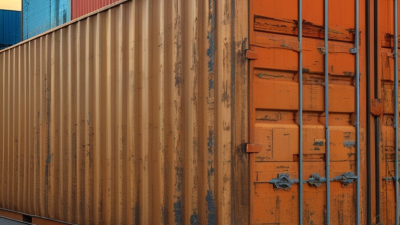
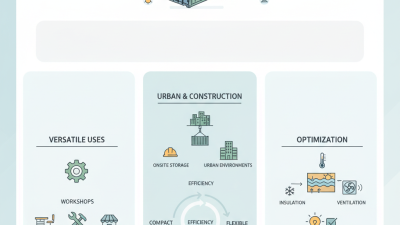
Sourcing one trip shipping containers globally in 2026 requires more than comparing online prices. These containers usually make one international journey before entering the resale market. Their condition can appear excellent, yet small issues may remain hidden beneath fresh paint.
A reliable sourcing process begins with the supplier’s operating history, not attractive photographs. Ask for production dates, container numbers, inspection records, and clear images of floors, doors, seals, and roof panels. Request dimensions, steel specifications, payload limits, and CSC-related documentation where applicable. A professional supplier should explain factory location, availability, lead time, and delivery terms without avoiding difficult questions. Vague answers deserve caution.
Location changes the real cost. A low factory price may become expensive after inland transport, port handling, customs clearance, insurance, and destination delivery. Compare landed costs using consistent Incoterms and confirm whether unloading equipment is included. Independent inspection can verify corrosion, door alignment, odor, floor damage, and water tightness before payment. Video calls help, but they cannot replace physical checks.
Details matter.
Buyers should also review local import requirements and environmental rules before ordering. Regulations, port conditions, and freight rates can shift during 2026. Even experienced traders may misjudge demand or delivery timing. That uncertainty deserves a contingency plan. By combining documented supplier checks, practical inspection, and transparent cost analysis, businesses can source one trip shipping containers with greater confidence and fewer expensive surprises.
A one-trip shipping container is usually manufactured for export, used once, and then sold in another market. However, “one-trip” is a trade description, not an official ISO category. Buyers should verify its condition through photographs, inspection records, and the container identification plate.
ISO 668 provides the basic dimensional framework. A standard 20-foot or 40-foot container is normally 8 feet wide, while standard height is about 8 feet 6 inches. High-cube units are about 9 feet 6 inches high. Actual external dimensions include permitted manufacturing tolerances. Internal length, door openings, corner fittings, and gross mass should match the declared specification. Measure carefully. Small differences can affect crane handling, stacking, and site clearance.
The CSC 1972 Convention focuses on safe international transport. A compliant container should carry a visible CSC safety approval plate with its owner, identification number, maximum gross weight, allowable stacking load, and examination information. Check that the plate is legible and matches the container number. Inspect corner posts, rails, doors, locking bars, roof, and floor for distortion, corrosion, or repairs. The first examination is followed by periodic inspections, generally no later than 30 months apart, unless an approved continuous examination program applies. Documents can look convincing. Physical evidence matters more. A rushed purchase may still reveal hidden floor damage or a replaced plate, so an independent inspection is worth considering.
In 2026, source one-trip containers against measurable specifications, not attractive photos. A standard 20ft ISO unit should show approximately 2,350kg tare weight. Its rated payload should reach 28,130kg, creating a gross weight near 30,480kg. Confirm these figures on the container’s data plate and inspection documents. Specifications can vary slightly by manufacturer and configuration. That detail matters.
A reliable supplier should provide recent interior, exterior, roof, floor, and door photographs. Look for clean corner castings, straight sidewalls, dry flooring, and doors that close evenly. Ask for production date, ISO identification, CSC-related documentation, and a written condition report. “One trip” usually means limited previous use, but the term is not perfectly uniform worldwide. I would not rely on it alone. Check for dents, repaired welds, hidden corrosion, and strong chemical odors before payment.
Tips: Compare tare and payload figures with the plate, not a spreadsheet. Confirm destination-port handling limits and inland road restrictions before booking. Request a live video inspection when distance prevents a visit. Keep the agreed specification in the purchase contract. Also check whether taxes, port storage, inspection fees, and inland delivery are included. A low unit price can become expensive after demurrage and repositioning charges. Leave room for uncertainty; even careful sourcing can miss a small defect.
Sourcing one trip shipping containers requires more than attractive photos and a low quotation. I begin by reviewing factory records, including production dates, container quantities, steel specifications, and export history. These records should match the supplier’s stated capacity. A polished spreadsheet is not proof. I learned that after finding identical inspection photos used for different orders.
Ask for container identification numbers before shipment. Compare them with factory production logs and packing lists. The CSC plate should show valid safety information, inspection dates, maximum weights, and the correct container number. Check that the plate is securely attached and readable. Missing details deserve a written explanation. Small inconsistencies can become expensive delays.
Inspection data provides the clearest physical evidence. Use an independent inspector when possible. Request close photographs of corner castings, door seals, floor panels, roof seams, and interior walls. Inspectors should record dents, corrosion, paint condition, moisture, and door operation. One practical check is opening each door several times, not just once. A container may look new outside but bind under uneven ground. Factory records, CSC plates, and inspection reports must tell the same story. They sometimes do not, and that is where careful buyers should pause.
A one-trip container may look inexpensive at the factory gate. The real cost begins after inspection, loading, and port handling. Request a dated quotation with container price, origin charges, export documentation, and loading terms. Under FOB, the seller delivers the container to the named vessel, while you manage ocean freight, insurance, and destination costs. Under CIF, the seller pays freight and basic insurance to the destination port. You still handle import clearance, duties, taxes, and inland delivery.
Freight prices in 2026 can change with fuel costs, equipment shortages, seasonal demand, and route disruption. Compare at least two sailing options. Ask whether the quote includes terminal handling, documentation, security fees, and congestion surcharges. It often does not. A 40-foot container shipped to Rotterdam, Vancouver, or Melbourne will carry different landed costs, even with the same purchase price. Duties depend on the destination country, tariff classification, customs value, and applicable trade rules. Taxes may be calculated on the goods, freight, insurance, or combined customs value.
Use a landed-cost worksheet for every destination. Include the container price, inspection, inland transport, ocean freight, insurance, port charges, customs brokerage, duties, taxes, storage, and final delivery. Keep a five to ten percent contingency for uncertain charges. That is not perfect. Quotes expire quickly. I have seen a low CIF offer become expensive after destination handling appeared. Confirm the Incoterm, delivery address, currency, and validity period in writing. Then verify tariff treatment with a qualified customs professional before payment.
When sourcing one-trip shipping containers globally in 2026, pre-shipment verification deserves more attention than the sales description. Ask for the container’s manufacturing date, dimensions, identification number, and applicable ISO markings. Check whether the stated specifications match the purchase order.
Inspectors should examine corner castings, roof panels, door locking bars, rubber seals, welds, and flooring. ISO-related dimensions must be measured, not simply copied from a form. Small gaps matter. A door that closes poorly can admit rain during transport or storage. Inspectors should also check for dents, fresh paint, concealed rust, and uneven repairs.
Photos should show every side, the roof, interior floor, door seals, and identification markings. Request wide images and close-ups with visible timestamps. Photos can mislead. Bright lighting may hide scratches or patched corrosion. For higher-value orders, appoint an independent third-party surveyor before loading. The survey report should record measurements, defects, weather conditions, and rejected units.
I have found that a simple checklist often prevents expensive misunderstandings. However, checklists are not perfect. A survey may miss corrosion beneath flooring or damage inside a sealed panel. Record that limitation clearly, then request additional testing where the risk justifies it. Keep the approved photos, inspection report, packing list, and written corrections together. This evidence supports practical decisions when quality differs between containers in the same shipment.
| Verification Dimension | Recommended Requirement for One-Trip Units | Objective Evidence to Request Before Shipment | Acceptance Threshold / Checkpoint | Typical Risk if Not Verified |
|---|---|---|---|---|
| Container classification | Confirm that “one trip” is a commercial description, not an ISO quality grade. The unit should be newly manufactured or have completed only one documented transport cycle. | Production record, delivery history, equipment identification number, and date-stamped inspection report. | No undisclosed prior leasing, storage damage, structural repair, or repainting that conceals defects. | Older or repaired equipment may be presented as new, reducing service life and resale value. |
| ISO 6346 identification | Use a valid container identification format with owner code, equipment category identifier, serial number, and check digit. | Clear photographs of the identification markings, check-digit calculation, and container data plate. | All markings must be legible, consistent across documents, and traceable to the inspected unit. | Documentation mismatch can cause customs delays, gate rejection, or difficulty tracking the asset. |
| CSC safety approval | Verify a valid safety approval plate under the International Convention for Safe Containers before international sea transport. | Front-facing and close-up photographs of the CSC plate, including approval number, manufacture date, maximum gross mass, and stacking/racking values. | Plate must be permanently attached, readable, and consistent with the container specification and shipping documents. | The container may be refused for international carriage or require costly re-inspection. |
| ISO 668 dimensions | Match the ordered size and type, such as 20-foot general purpose, 40-foot general purpose, or 40-foot high-cube. | Measured exterior dimensions, internal dimensions, door-opening dimensions, tare weight, and rated gross mass. | Measurements must comply with the agreed ISO type and the tolerances stated in the approved inspection specification. | Incorrect height or length can prevent stacking, rail movement, depot acceptance, or delivery to the final site. |
| Structural frame and corner fittings | Inspect corner posts, top and bottom rails, cross members, corner castings, welds, and locking components in accordance with the applicable container design requirements. | High-resolution photographs of all eight corners, underside, roof frame, welds, and twist-lock openings; surveyor comments on deformation. | No cracks, open welds, severe buckling, displaced corner castings, or deformation affecting handling and stacking. | Structural defects can create lifting hazards, stacking instability, and cargo damage. |
| Floor and load-bearing surface | Confirm sound marine-grade flooring, correctly secured floorboards, and a clean, dry, odor-free interior. | Interior floor photographs, underside photographs, moisture or odor observations, and records of any repaired boards. | No soft spots, exposed fasteners, contamination, oil stains, delamination, or holes that could affect cargo. | Wet or contaminated flooring may cause cargo claims and additional cleaning or replacement costs. |
| Doors, gaskets, and locking gear | Both doors should open, close, seal, and lock smoothly without excessive force. | Open-door and closed-door photographs, gasket close-ups, locking-bar video, and water-ingress test result. | Continuous gasket contact, functional locking bars, aligned doors, and no visible daylight around the closed door perimeter. | Water ingress, difficult loading, cargo exposure, and delays at the receiving location. |
| Roof, sidewalls, and end walls | Panels should be free from punctures, active corrosion, hazardous sharp edges, and material distortion that compromises weather-tightness. | Exterior walk-around video, roof photographs taken from an elevated position, interior light-leak test, and corrosion notes. | No holes or light leaks; only minor cosmetic marks acceptable if agreed in the purchase specification. | Leaks and corrosion may develop during the voyage or shorten the usable service period. |
| Coating and corrosion protection | Confirm the agreed coating system, surface preparation, paint coverage, and dry-film thickness where specified. | Paint specification, coating inspection record, dry-film thickness readings, and photographs of roof, underframe, and weld areas. | No exposed steel, active rust scale, blistering, peeling, or unapproved touch-up areas. | Premature corrosion increases maintenance cost and can affect structural integrity. |
| Factory quality-management evidence | Prefer suppliers with a current ISO 9001-certified quality-management system, while recognizing that certification does not replace product inspection. | Current certificate scope, validity dates, manufacturing-site address, calibration records, and inspection procedures. | Certificate must cover the relevant manufacturing activity and remain valid at the time of production. | A certificate may be irrelevant, expired, or unrelated to the actual production site. |
| Pre-shipment photo protocol | Require unit-specific, time-stamped images rather than generic catalog photographs. | Minimum photo set: all sides, roof, underside, interior, floor, doors, corner castings, data plate, serial markings, and accessories. | Serial number must appear in at least one image and match the inspection report and commercial invoice. | Stock images can conceal substitution, cosmetic damage, or a different production batch. |
| Independent third-party survey | Arrange an independent inspection before final payment or release to the port, especially for remote or first-time suppliers. | Signed survey report containing unit numbers, inspection date, checklist results, measurements, photographs, defects, and surveyor credentials. | Inspection status should be “passed” or “passed with agreed minor defects,” with corrective actions closed before shipment. | Undetected defects may become difficult to claim after loading or arrival at destination. |
| Sampling and serial traceability | For multiple units, define an inspection sample and require every shipped unit to be serial-numbered and photographed. | Packing list, serial-number register, loading photographs, seal record, and sample-size rationale. | No unapproved substitution; any failed sample should trigger expanded inspection or 100% inspection. | A small sample can miss repeated defects across a large shipment. |
| Loading and shipping documents | Align the purchase order, commercial invoice, packing list, bill of lading, container numbers, seal numbers, and certification records. | Final document pack sent before departure, including loading photos and verified container list. | Zero unexplained differences in quantity, serial numbers, dimensions, gross mass, seal numbers, and consignee details. | Document discrepancies can cause customs holds, demurrage, and payment disputes. |
| Payment release control | Link the balance payment to objective milestones: approved inspection, complete photo set, verified serial list, and document consistency. | Written inspection approval, corrective-action closure, signed packing list, and final shipping-document checklist. | Do not release the final balance while critical structural, CSC, identification, or weather-tightness issues remain open. | Full payment before verification weakens leverage over corrective work, replacement, or refund claims. |