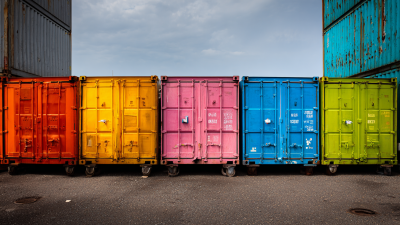
China Top 10 Second Hand Container Suppliers?
Buying second hand containers in China can look simple on a supplier’s website. In practice, quality often depends on details hidden behind polished photographs. A clean blue exterior may conceal floor damage, stiff door seals, or corrosion around the lower rails. This guide introduces China’s top 10 second hand container suppliers through practical purchasing criteria, not promotional claims alone. The selection considers container condition, factory experience, inspection procedures, customization ability, export support, and customer communication. These factors matter.
A reliable supplier should provide clear specifications, recent photographs, and a readable CSC plate where applicable. Buyers should confirm the container’s manufacture year, dimensions, floor condition, door operation, roof integrity, and repair history. Independent inspection can also reveal problems that online conversations miss. Small details matter. For example, uneven doors may suggest frame distortion, while fresh paint may cover older repairs. Freight costs, loading arrangements, port location, and documentation should be compared before payment. Prices change quickly, and the cheapest quotation is not always the lowest total cost. This ranking is therefore a useful starting point, not a permanent verdict. Supplier performance may vary by batch, season, and destination port. I may also overlook smaller companies with strong regional service. That is worth remembering. Readers should request current evidence, verify business details, and inspect containers whenever possible. With careful comparison, second hand containers can offer practical storage, transport, and modular-use value without sacrificing basic safety or reliability.
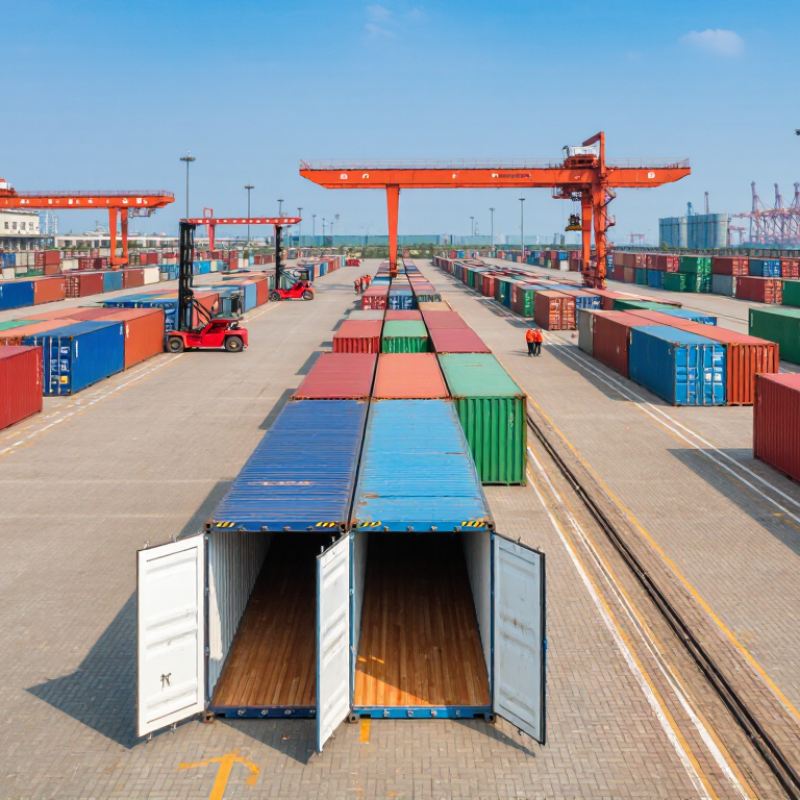
China’s Used-Container Market: 28.5 Million TEU Fleet (UNCTAD 2024)
China’s used-container market sits within a global fleet of about 28.5 million TEU, according to UNCTAD’s 2024 data. This scale creates steady access to retired dry containers, refrigerated units, and specialized equipment. Yet fleet size alone does not identify the best supplier. A dependable seller should document ownership, inspection results, repair history, and current location. Paperwork matters.
When comparing China’s top ten second-hand container suppliers, buyers should examine practical evidence rather than rankings. A yard visit can reveal rust beneath fresh paint, uneven doors, damaged corner castings, or wet flooring. Ask for dated photographs and a recent inspection report. Check dimensions, CSC-related documentation where applicable, and the container’s intended route. For refrigerated units, request temperature logs and service records. Details matter.
Pricing should include lifting, inland transport, export preparation, storage, and possible repairs. A low quotation may change after a survey. Experienced traders explain grade definitions clearly, including cargo-worthy, wind and watertight, and as-is conditions. However, grading can vary between yards. That is where careful buyers must remain skeptical. If inspection is impossible, use independent verification and delay final payment until the documents match the actual unit.
Ranking Criteria: ISO 668, CSC Compliance, IICL Grades, and 295.9M TEU
China Top 10 Second Hand Container Suppliers
A reliable ranking should begin with compliance, not price. ISO 668 confirms standard external dimensions, corner fittings, and handling compatibility. CSC plates show whether units have passed required safety inspections. These details matter when a container moves between rail, road, and vessel operations.
IICL grades provide another practical filter. Higher-grade containers usually have cleaner floors, tighter doors, and fewer repairs. However, grading can vary between inspectors. I have seen a unit marked “cargo worthy” with a stiff door and patched flooring. That is why physical inspection remains essential. The 295.9M TEU figure also signals the scale of container demand and replacement activity, but volume alone cannot prove supplier reliability. A top-ten list should compare inspection records, repair quality, delivery consistency, and documentation.
Tips:
Ask for recent photos, CSC plate details, ISO specifications, and IICL grading records. Check door seals, floor moisture, corner posts, and roof patches in person. Confirm the container’s manufacture year and repair history. If a quotation looks unusually low, pause. There may be hidden transport or refurbishment costs. Standards reduce risk, but they do not remove human error. Keep written inspection notes and require clear acceptance terms before payment.
Top 10 Chinese Suppliers: Inventory Scale, Depot Locations, and Export Coverage
China’s top 10 second-hand container suppliers should be compared by usable inventory, not advertised totals. A credible supplier can show depot-level stock, recent inspection dates, container age, and repair records. UNCTAD’s Review of Maritime Transport 2024 reports about 858 million TEU moved through global container ports in 2023. This scale supports strong resale demand, but it also makes stock accuracy important. Some online listings include units already reserved or awaiting repair.
Depot location directly affects inland cost and delivery speed. The strongest Chinese suppliers usually maintain stock near major port clusters, including the Yangtze River Delta, Pearl River Delta, Bohai Rim, and coastal Fujian. China’s Ministry of Transport recorded approximately 295.9 million TEU in port throughput during 2023. That concentration helps suppliers arrange inspections, trucking, rail transfer, and export loading from nearby yards. Buyers should request depot addresses, gate photos, lifting capacity, and average dispatch time.
Export coverage needs more than a long destination list. Ask whether the supplier regularly handles documentation, seaworthy condition checks, and delivery to inland or overseas depots. The International Maritime Organization’s container safety rules make valid CSC plates and structural inspections essential. In practice, I would rank suppliers by verified export records and repeat-customer evidence. A limitation remains: many inventory figures are self-reported and not independently audited. That gap deserves careful review.
Price and Condition Benchmarks for 20ft, 40ft, and 40ft High-Cube Units
China’s used-container market needs practical price and condition benchmarks. Container xChange’s 2024 Box Market report places typical Asian depot prices near USD 1,000–1,600 for 20ft units. In China, cargo-worthy 20ft containers often reach USD 1,200–1,800, depending on depot location and repair history. Prices are usually ex-yard and exclude delivery, lifting, tax, and inspection fees.
For 40ft units, buyers should expect about USD 1,500–2,300. A 40ft high-cube commonly ranges from USD 1,700–2,700. These figures fit late-2024 trading conditions, but port imbalance can change quotations quickly. The 2024 Review of Maritime Transport reports continued container fleet expansion, which can increase the supply of older equipment. Still, age alone is a weak quality indicator. A 12-year-old box may outperform a poorly repaired eight-year-old unit.
Condition matters more than a low headline price. Cargo-worthy units should pass door, floor, roof, frame, and corrosion checks. Wind-and-watertight units may suit storage, but they can need more work before transport use. I once treated fresh paint as a positive signal. That was careless. Paint can hide patched panels.
Tips: Request dated photos, CSC plate details, depot location, and a written inspection sheet. Compare ten suppliers using the same specifications. Add delivery and repair allowances before choosing the lowest quote. A USD 200 saving can disappear after one damaged door or uneven floor.
Verification Checklist: CSC Plates, Inspections, Trade Records, and Warranties
A used container can look sound while hiding a weak corner post or repaired floor. Verification must begin with the CSC safety approval plate. The International Maritime Organization’s International Convention for Safe Containers requires valid safety information, inspection dates, and owner identification. Check that the plate is fixed, readable, and consistent with the container number. A missing plate is a serious warning.
Ask for the latest inspection report, including roof condition, door seals, understructure, floor repairs, and corrosion measurements. Photographs should show each corner, locking bar, and internal wall. Compare them with the physical unit. Small differences matter. UNCTAD’s Review of Maritime Transport 2024 reported global maritime trade at about 12.3 billion tonnes in 2023. That volume creates constant demand for reliable equipment, but it also encourages rushed resale decisions. An inspection completed months earlier may not describe today’s container.
Trade records add another layer of evidence. Request the serial history, previous service locations, repair invoices, and transfer documents. Dates should follow a believable sequence. They sometimes do not. A warranty should state coverage, exclusions, response time, and who pays transport or repair costs. Avoid promises such as “wind and watertight” without a written inspection standard. The buyer should also record pre-delivery defects, seal condition, and floor moisture. UNCTAD data shows how heavily global logistics depends on containers, yet published trade statistics cannot confirm one unit’s condition. Physical evidence still decides.
China Top 10 Second Hand Container Suppliers? – Verification Checklist
Use the CSC plate and inspection dates as objective screening points when evaluating second-hand container suppliers. Under the CSC 1972 Periodic Examination Scheme, the first examination is due no later than five years after manufacture, and subsequent periodic examinations must normally occur at intervals of no more than 30 months. Trade records and warranty terms should be verified separately because they depend on the transaction and supplier contract.
Checklist: Confirm that the CSC safety approval plate is present and legible, match its identification details with the container, request the latest inspection or ACEP evidence, validate ownership and trade documentation, and obtain written warranty coverage for structural condition, water tightness, and excluded damage.