2026 How to Choose the Right Cargo Shipping Container for Your Needs?
Choosing the right cargo shipping container is critical for your logistics and supply chain needs. The container industry is evolving rapidly, with global trade increasing by 4.7% annually, according to a report by the International Maritime Organization (IMO). As businesses look for efficient transport solutions, selecting the right container can significantly impact costs and delivery times.
Experts like John T. Hargrove, a well-known figure in cargo logistics, emphasize the importance of this decision: "Choosing the right cargo shipping container is not just about size; it's about ensuring your goods arrive intact." With numerous types of containers available, understanding their specifications is crucial. For instance, standard containers, refrigerated units, and open-top designs all serve different purposes.
Moreover, many businesses fail to consider weight limits and local regulations. These factors can lead to delays and added expenses. Ensuring you have a proper grasp of your requirements will help you make a more informed choice. In this evolving market, knowledge and experience play vital roles in navigating the complexities of cargo shipping containers.
Understanding Different Types of Cargo Shipping Containers
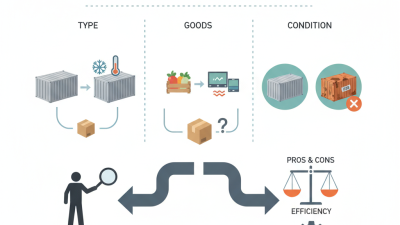
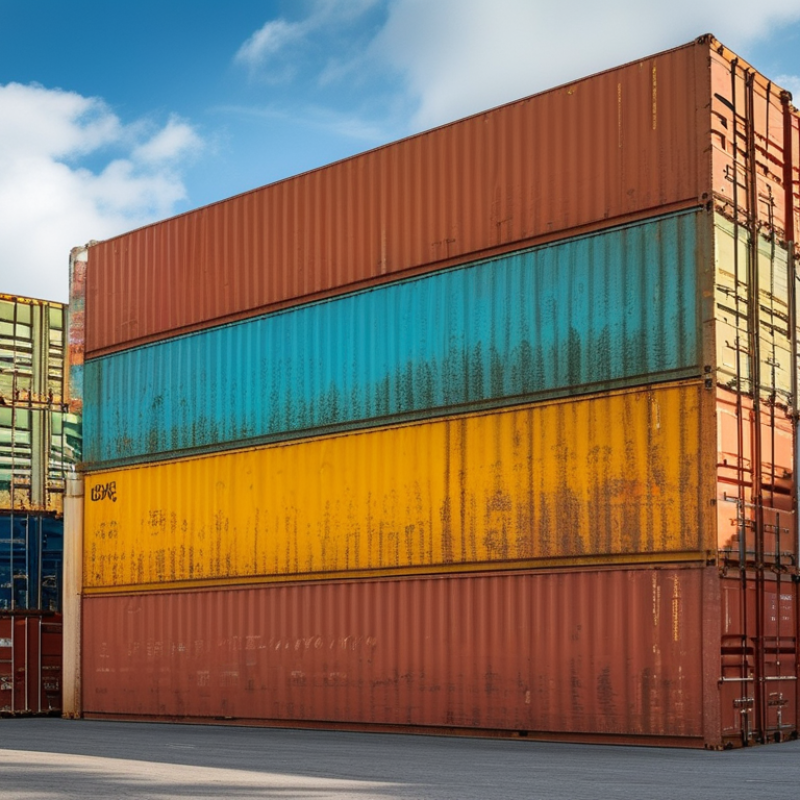
When selecting the right cargo shipping container, understanding the different types available is crucial. There are standard containers, refrigerated containers, and specialized containers. Standard containers are widely used for general cargo. They come in 20-foot and 40-foot sizes, making them versatile for different shipping needs. According to industry reports, approximately 90% of global goods flow through shipping containers.
Refrigerated containers, or reefers, are essential for transporting perishable items. These containers maintain temperatures between -20°C and +20°C. They are vital for food products, pharmaceuticals, and other temperature-sensitive goods. The demand for reefer containers increased by 20% in the last year, reflecting the growing importance of cold chain logistics.
Specialized containers serve specific functions, like flat racks for heavy machinery or tank containers for liquids. These containers enhance logistics efficiency. However, they are often more expensive and may not be readily available. The logistics industry must balance supply and demand with these specialized options. Understanding your cargo needs will guide you in choosing the right container type to optimize shipping costs and ensure safe delivery.
2026 How to Choose the Right Cargo Shipping Container for Your Needs?
| Container Type |
Dimensions (Length x Width x Height) |
Volume (Cubic Meters) |
Weight Limit (kg) |
Best For |
| Standard Dry Container |
20 x 8 x 8.5 ft |
33 |
2,200 |
General cargo |
| High Cube Container |
40 x 8 x 9.5 ft |
76 |
2,500 |
Larger cargo, light-weight goods |
| Reefer Container |
40 x 8 x 8.5 ft |
67 |
2,200 |
Perishable goods |
| Open Top Container |
40 x 8 x 8.5 ft |
67 |
2,300 |
Heavy machinery, bulk cargo |
| Flat Rack Container |
20 x 8 x 8.5 ft |
33 |
30,000 |
Oversized cargo |
Evaluating Your Cargo: Size, Weight, and Special Requirements
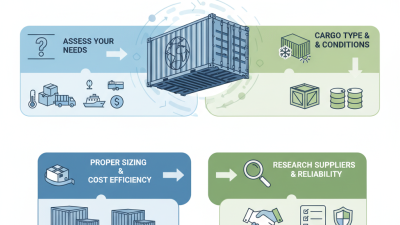
When selecting a cargo shipping container, evaluating your cargo is crucial. Focus on its size and weight. Large shipments may need a high cube container for added space. If your shipment is heavier than average, a reinforced container can ensure safety during transit. Measure your items carefully to avoid unexpected issues.
Special requirements can change everything. Fragile items might need climate control or additional padding. Considerations for hazardous materials are also important. Make sure containers meet safety regulations. Often, shippers overlook these details, causing delays and increased costs. Planning ahead can help you avoid those pitfalls.
Assessing your cargo properly requires attention to detail. Not all containers are created equal. Remember that your choices significantly impact shipping efficiency and costs. If you're unsure, consulting with a shipping expert can provide valuable insights. Adapting to your needs is key; don't fear to ask questions.
Considering Container Materials and Durability for Long-Term Use
When selecting a cargo shipping container,
material and durability are crucial.
Steel containers are common due to their strength and resilience against harsh weather.
They withstand corrosion better than wood and offer enhanced security. However, they can be heavy and expensive.
Consider whether you need a more lightweight option.
Wooden containers are portable and might suit lighter cargo.
But, they are prone to damage and can be less durable over time. Weather conditions can quickly degrade their quality.
If you choose wood, ensure it has been treated for better longevity.
In addition, consider the intended use of the container.
Will it be exposed to saltwater, extreme temperatures, or heavy impacts? Each factor impacts material choice.
Assess your cargo demands carefully.
Picking the right container is essential for protecting your goods and ensuring efficient transport.
Assessing Transportation and Handling Options for Your Container
Choosing the right cargo shipping container involves careful consideration of transportation and handling options. Different types of containers serve various needs. For instance, a standard container may not be suitable for sensitive goods that require temperature control. It's crucial to evaluate whether your cargo needs refrigeration or ventilation.
Handling is another critical aspect. Understand the nature of your cargo. Fragile items demand more careful handling compared to sturdy goods. Ensure you have the right equipment for loading and unloading. Consider the distance and mode of transport. Some containers are more robust for sea shipping, while others are lightweight and ideal for inland transport.
Reflect on these factors. Not every container fits every need. Misjudging your requirements can lead to damage or delays. Ensure you communicate your needs effectively with your shipping partner. It's vital to gather information and ask questions. A well-informed decision can save time and resources.
Cost Analysis: Budgeting for Purchase or Rental of Containers
When considering the cost of cargo shipping containers, it's vital to assess whether to purchase or rent. Each option has advantages and disadvantages. Purchasing might seem economical in the long run, but it requires a hefty upfront investment. Renting allows flexibility but could lead to increased costs over time.
Estimate your usage needs. If you plan on frequent shipments, investing in a container could save money. On the other hand, if shipping is sporadic, rental might be ideal. You avoid maintenance costs and long-term commitments by renting.
Tips: Evaluate your shipping frequency. This will help gauge whether a purchase or rental is more cost-effective. Also, calculate potential hidden fees associated with both options. Ensure you factor in transportation and storage costs. A thorough analysis can lead to better financial decisions.
2026 Cargo Shipping Container Cost Analysis