Buying one trip shipping containers can feel straightforward, but the label alone does not tell you exactly what will arrive. These units are generally used for one cargo journey, so they often show less wear than older containers. Still, “one trip” does not mean flawless. Small clues count.
A careful purchase starts with details you can verify. Ask for recent photos of the actual container, including its roof, floor, door seals, and corner fittings. Look closely. A fresh coat of paint can hide scratches, while a sticking door may signal a practical problem. Confirm the external and internal dimensions, the container’s condition, and what the quoted price includes. Delivery, unloading, and site access can change the total cost considerably.
This guide outlines seven useful checks before you buy, from reviewing inspection information to confirming delivery arrangements. It also explains why written answers matter more than a reassuring phone call. If a seller cannot provide clear details, pause and compare options. That is not always a warning sign, but it deserves reflection. The right choice depends on your intended use, available space, and budget—not just a low price or a tidy photograph. With a few careful questions, you can make a more informed decision and avoid surprises when the container reaches your site.
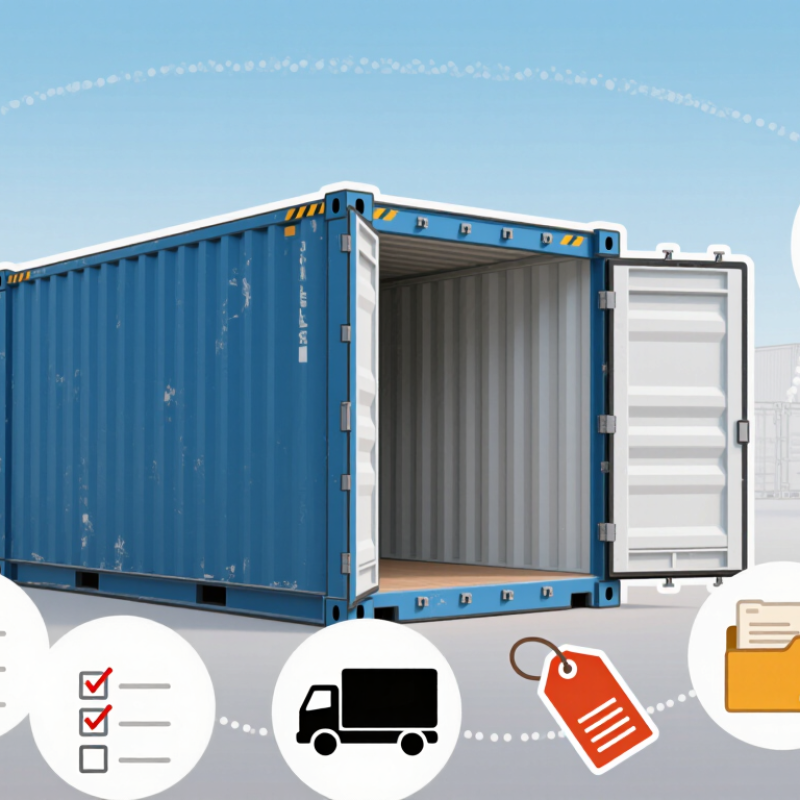
“One-trip” describes a container’s sales condition, not a formal CSC safety grade. It usually means the unit has made one loaded ocean journey, but sellers may use the term differently. Ask for its manufacture date, cargo history, and inspection records. Look closely at the door seals, floor, roof, corner castings, and underside. Bring a torch. Rust around a corner casting or a door that will not close smoothly deserves attention. An independent inspection can help, though it may add cost.
Read the CSC plate rather than relying on a listing description. Under the International Convention for Safe Containers, a container under the Periodic Examination Scheme must receive its first thorough examination no later than five years after manufacture. Later examinations are generally required at intervals not exceeding 30 months. A unit in an approved ACEP follows that program instead, so the plate may not show a simple expiry date. Check the ACEP approval and supporting records. UNCTAD’s Review of Maritime Transport 2024 reports 858.9 million TEUs of container-port throughput in 2023, a reminder that containers move through demanding, high-volume networks. That figure does not certify an individual box. Dates and paperwork can be messy; verify them against the physical unit before buying.
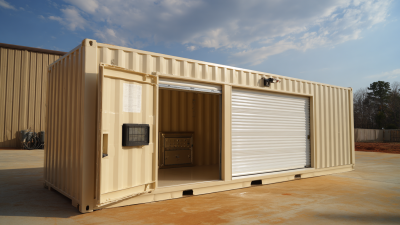
When choosing a one-trip container, start with its outside width, not the space you hope to fit inside. ISO 668:2020 sets the standard external width at 2.438 metres for common freight-container series. That is a fixed planning figure. It does not mean the interior is equally wide: wall corrugations and door fittings reduce usable clearance.
ISO 668:2020 gives common external lengths of 6.058 metres for a 20-foot container and 12.192 metres for a 40-foot container. Measure your access route, doorway, and intended cargo before ordering. A pallet may fit on paper yet catch on a rib or door frame. Measure twice. For a close fit, ask the seller for the unit’s actual internal dimensions; standard dimensions alone cannot confirm every container’s usable space.
ISO 1496-1:2013 covers specifications and testing for general-purpose freight containers, including structural performance. Its relevance is practical: dimensions are only one part of suitability. Check the doors, floor, and corner fittings on the specific unit, and compare its condition with the inspection documents. “One trip” can suggest light prior use, but it is not a substitute for inspection. I would leave extra clearance where possible; real sites are rarely as square as drawings.
A one-trip container may look nearly new, but fresh paint and clean photographs prove little. UNCTAD’s Review of Maritime Transport 2024 notes that ships carry over 80% of world trade by volume. That scale makes careful equipment checks practical, not cosmetic. Look closely. Ask to open both doors fully, then check whether they swing evenly and latch without force. Bent locking bars, loose hinges, or doors that scrape the frame can signal rough handling or poor alignment.
Inspect the rubber seals around the door edges. They should sit continuously against the frame, without splits, flattened sections, or gaps where daylight shows through. A simple flashlight check helps. Check the floor from end to end, including beneath any visible patches. Look for soft spots, standing moisture, protruding nails, and strong chemical or musty odors. Not every mark is a defect; deciding what is acceptable can be subjective. Still, a soft floor deserves a closer look.
Finally, examine all four corner castings for cracks, severe corrosion, or visibly distorted openings. These fittings are key lifting and securing points, so ask for clear photos if you cannot inspect in person. Check the corner posts and nearby welds, too. Small details matter. Record defects before purchase and request written clarification on repairs or exclusions. One useful habit: compare the seller’s inspection notes with what you can verify yourself. A checklist can miss things.
A one-trip container can look nearly new and still have a payload limit that does not suit your plans. Check the rating plate on the door end before arranging delivery. It should show the maximum gross mass and tare mass; payload is the difference between them. For example, a 30,480 kg maximum gross mass minus a 2,250 kg tare gives a 28,230 kg payload. Check the figures against the seller’s documents, too. A plate that is painted over, missing, or difficult to read deserves follow-up. Looks can mislead.
Ask for evidence that the container’s design or type passed the relevant strength tests under ISO 1496-1. The standard covers tests for general cargo containers, including stacking, lifting, floor strength, and wall strength. A test record is more useful when it identifies the container type and configuration, rather than offering a vague claim of compliance. These tests do not mean every individual unit was tested in the same way. That distinction is easy to miss.
Inspect the floor, door frame, corner castings, and welds in person, or use an independent inspector. Note repairs and added fittings, since changes can affect condition or usable capacity. One trip is not a guarantee of perfect handling. I would rather ask one extra question than rely on fresh paint. If the marked payload seems inconsistent with the paperwork, pause and verify before loading.
| No. | Buying Check | What to Verify | Example or Practical Check |
|---|---|---|---|
| 1 | Read the rating plate | Check that the plate is present, legible, and attached to the container. Compare its identification details with the unit and its documents. Look for maximum gross mass and tare mass. | Photograph the plate and record the container number before purchase. Do not rely on a sales listing as a substitute for the plate. |
| 2 | Calculate payload from the unit's figures | Payload is the maximum gross mass minus the tare mass. Use the figures shown for the specific container; payload is not the same as maximum gross mass. | Illustrative calculation: 30,480 kg maximum gross mass − 2,250 kg tare mass = 28,230 kg payload. Actual ratings and tare masses vary by unit. |
| 3 | Match the rating to your transport plan | Check the payload against the cargo mass and account for packing, pallets, securing materials, and any handling limits. Road and rail limits may be lower than the container's rating. | Ask the carrier or logistics provider to confirm permitted loaded weight for the intended route and equipment. |
| 4 | Request evidence of ISO 1496-1 design testing | Ask for documentation showing that the relevant container type or design meets applicable ISO 1496-1 requirements. The standard includes structural tests such as stacking, lifting, and racking tests. | Check that the test or approval documents identify a compatible container design. Type-test evidence does not necessarily mean every individual unit was strength-tested. |
| 5 | Inspect the structure in person | Examine corner castings, corner posts, top and bottom rails, cross-members, and the door frame for cracks, significant bends, poor repairs, or severe corrosion. | Open and close both doors, operate the locking bars, and check that the container sits level on a suitable surface. |
| 6 | Check the floor, roof, and weather sealing | Look for soft or broken floor sections, water staining, roof dents that hold water, damaged seals, and daylight through panel joints or door gaskets. | Inspect the interior in daylight and ask for a documented leak check. A clean appearance alone does not establish that the container is watertight. |
| 7 | Confirm condition and certification separately | “One trip” commonly describes a container used for a limited initial shipping journey; it is not, by itself, a formal strength rating or a guarantee of condition. Verify the container's current shipping approval and intended use. | Request recent inspection records and confirm that any required CSC safety approval is valid for the planned international transport. |
Note: Example masses are for illustrating the payload calculation only. Always use the figures on the specific container's rating plate and verify applicable transport and inspection requirements.
A low delivery quote can hide costs. Ask each seller to price the same container size, delivery distance, and unloading method. Check whether fuel, waiting time, site access fees, or extra trips are included. A quote that says “curbside delivery” may not include placing the container where you need it. Small details matter. Get the final price and delivery conditions in writing.
Read the warranty before paying a deposit. Confirm how long coverage lasts and whether it applies to roof leaks, doors, floors, or corrosion. Ask what evidence is needed to make a claim, and whether damage must be reported immediately after delivery. Take clear photos of the roof, corners, door seals, and floor when the container arrives. Warranty wording can be less generous than a sales conversation suggests; I would not assume every repair is covered.
Measure the route and the unloading area, not just the space where the container will sit. Note narrow gates, sharp turns, soft ground, low branches, and overhead wires. Share these details with the delivery operator and ask what truck and equipment will be used. A level, firm surface helps, but the driver still needs room to maneuver and unload safely. If access is uncertain, send photos or arrange a site check before booking. I once overlooked a tight turn on a delivery plan; the measurement seemed fine on paper, but it deserved a second look.
Compare delivery quotes, warranty terms, and unloading access before choosing a container. Check the container’s external dimensions against your delivery route and placement area.
About the chart: Standard containers are nominally 20 or 40 feet long. Typical external dimensions are about 8 feet wide; standard height is about 8 feet 6 inches, while high-cube height is about 9 feet 6 inches. Confirm the specific unit dimensions and required unloading clearance with the seller and carrier. When comparing quotes, check whether delivery, unloading equipment, site restrictions, and warranty coverage are included.