How Much Does a 40ft Shipping Container Cost in China?

A 40ft shipping container can look simple from the outside: steel walls, two doors, and a familiar set of dimensions. Its price in China, however, depends on what you are buying. A new container, a used unit, and a refurbished box are not equivalent products. Condition, factory location, delivery distance, and optional features can all change the final quote.

Industry reports help explain why prices need context. UNCTAD’s Review of Maritime Transport 2024 reports that global maritime trade grew by 2.4% in 2023, with further growth expected in 2024. That broader market picture does not set a container’s purchase price, but it shows why shipping demand and supply conditions matter. Drewry’s World Container Index tracks freight rates, not the cost of buying an empty container. That distinction matters. Container xChange’s Container Price Sentiment Report also tracks container-market pricing and sentiment, offering useful context alongside supplier quotations.

For buyers, the practical question is not only, “What does the 40ft shipping container cost?” It is also, “What does this quote include?” Ask whether the price covers inspection, transport to the port, documentation, and any requested modifications. A low factory price may not include delivery to your site. Small details can become real costs. This guide will compare the main price factors and explain how to assess quotes from Chinese suppliers. Estimates still vary, and published market indicators cannot replace a current, itemized offer from the seller.
How Much Does a 40ft Shipping Container Cost in China?

What Counts as a 40ft Shipping Container?

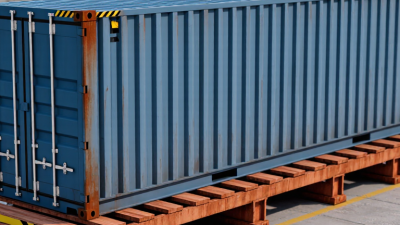
A 40ft shipping container is a size category, not a single standard product. A typical dry container measures about 12.2 metres long externally, while its usable interior is shorter. Wall thickness, doors, and corner fittings take up space. That matters when comparing prices in China.

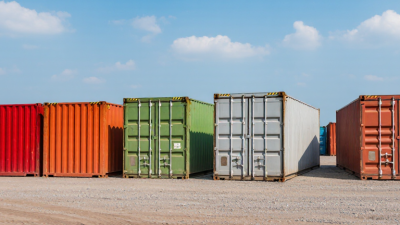
A standard-height dry container differs from a 40ft high-cube model, which offers extra interior height. Both may be new, used, or refurbished, and condition changes the price substantially. Check the floor, door seals, roof, and corner posts for dents, rust, or repairs. A fresh coat of paint can hide wear; I would not rely on appearance alone. Ask for clear photos, measurements, and an inspection report where possible. Also confirm whether the quote includes delivery, loading, and any required inspection documents. Small differences add up.

Tips: Compare the same type, height, condition, and delivery terms. Ask for the container’s exact external and internal dimensions, plus its tare weight. If the seller’s description is vague, pause and clarify before paying.


How Container Type and Condition Affect Prices in China

In China, a 40ft container’s price depends on more than its length. A standard dry container usually costs less than a high-cube unit, which provides about 30 cm of extra height. That clearance can fit taller cartons or machinery, but buyers should check internal dimensions, not rely only on the exterior. Small details matter. UNCTAD’s Review of Maritime Transport 2024 reports that global container-ship capacity grew by 8.2% in 2023. This figure does not measure empty-container prices in China, but equipment availability can affect resale values when supply outpaces local demand.

Condition can shift a quote substantially. A cargo-worthy box may suit shipping, while a wind-and-watertight unit may be better for storage only. Inspect the floor for soft spots, the door seals for gaps, and the lower rails for dents or corrosion. These checks are practical, not cosmetic. A freshly painted container can still hide damage; I have seen buyers overlook that risk. Ask for recent photos, an inspection record, and the container’s location, since inland delivery can change the final cost. Repair history also matters, and grading can vary between sellers.

What Costs Are Included in a Container Price?

A 40ft container quote usually covers more than a steel shell. The base price reflects corrugated steel panels, the frame, corner castings, doors, locking bars, floorboards, welding, and protective paint. A new unit generally costs more because its steel and components are unused, and its condition is easier to verify. Used containers may show dents, patches, worn floors, or salt corrosion. Details matter.

Ask whether the quote includes inspection, documentation, loading, inland transport, export handling, and applicable taxes. These items may be listed separately. UNCTAD’s Review of Maritime Transport 2024 reported that Shanghai–Europe spot freight rates rose by about 256% between late 2023 and mid-2024. That figure concerns cargo shipping, not the container’s factory price, but it shows why delivery estimates can change quickly. A factory quote and a delivered-to-port quote are not the same thing. I would still request a written breakdown; vague “all-in” wording can hide costly assumptions.

Tips: Request photos of the actual unit, its floor, roof, and door seals. Confirm whether the price is for a new or used container, and ask for the exact delivery point. Check the quote’s validity date. Small omissions add up.

How Delivery, Location, and Customization Change the Total Cost

How Much Does a 40ft Shipping Container Cost in China?

How Delivery, Location, and Customization Change the Total Cost

A 40ft container’s quoted price in China is only the starting point. The final cost depends on its condition, delivery route, and intended use. New, one-trip, and used units can differ substantially in price. Ask for recent photos and a clear condition report. Check the doors, floor, roof, and corner fittings; a low price means little if repairs are needed. It is easy to miss this.

Delivery can reshape the bill. A factory pickup may seem inexpensive, but trucking, loading, port handling, or delivery to your site can add charges. Access matters, too. A narrow entrance or soft ground may require different equipment or extra planning. Confirm the delivery address, unloading responsibility, and which transport costs are included. A quote without these details is hard to compare.

Customization adds another layer. Insulation, extra doors, windows, ventilation, electrical work, or interior finishes all affect materials and labor. Ask for drawings and an itemized price before approving changes. Even a small window can involve cutting, reinforcement, and sealing. Request separate figures for the container, modifications, and delivery, along with the quote’s validity period. That makes trade-offs clearer, though estimates can still change when site conditions or specifications are incomplete.

How to Compare Supplier Quotes and Verify Purchase Details

A 40ft shipping container quote from China is meaningful only when its condition and delivery scope are clear. Compare like with like: new or used, standard or high-cube, cargo-worthy or wind- and watertight only. Ask for the manufacture year, photos of doors, floor, roof, and corner castings, plus the container’s identification number. A low price may exclude inspection, inland transport, loading, or export documentation. Those omissions can change the landed cost substantially.

Freight is a separate line item. Drewry’s World Container Index, a weekly freight-market benchmark, reached US$5,937 per 40ft container on 18 July 2024. That figure tracks ocean freight, not the purchase price of an empty container. Use it as context, not as a supplier-price comparison. Request a dated, itemized quote stating currency, Incoterms, destination, payment schedule, and how long the offer remains valid. Then check that the invoice, specification sheet, and photos describe the same unit. One detail can be missed.

Tips: Ask for current, timestamped photos and a video showing the doors opening and closing. Confirm dimensions against ISO 668, and request written confirmation of any repairs. Keep the comparison in a simple table. A polished quote can still leave questions. Reflect on what it does not say.

How Much Does a 40ft Shipping Container Cost in China? - How to Compare Supplier Quotes and Verify Purchase Details

Nominal external dimensions (meters)

Use these standard dimensions to check that supplier quotes describe the same container type. They are not price quotes: compare prices only after confirming container condition, specifications, delivery, and any applicable taxes or fees. Verify the actual unit against its data plate and purchase documents.

Source: ISO 668:2020, nominal dimensions for Series 1 freight containers. Actual units may vary within applicable tolerances.

Get a Quote
910-483-7828