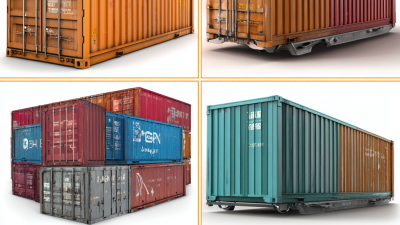
Choosing the right 40ft shipping container is a practical decision, not a simple size comparison. A container may look spacious in a depot, yet unsuitable after pallets, doors, insulation, and loading equipment are considered. The standard 40ft unit offers approximately 67 cubic meters of internal volume. A 40ft high-cube model provides about 76 cubic meters, with extra vertical clearance. That difference can prevent costly reconfiguration.
UNCTAD’s Review of Maritime Transport reports that more than 80% of global merchandise trade moves by sea. This scale explains why container selection affects freight cost, cargo protection, handling time, and emissions. The World Shipping Council describes container shipping as “the backbone of the global economy.” That phrase is broad, but useful. Every box still faces narrow terminals, uneven roads, weight limits, and changing schedules.
A reliable choice begins with cargo dimensions, gross weight, loading method, route, and destination equipment. Measure the tallest package. Check forklift access. Confirm whether the carrier accepts a high-cube container on the planned service. ISO 668 provides the foundation for standardized container dimensions, but specifications can vary by manufacturer and age. Used units may show floor wear, odor, dents, or weakened door seals. Inspect those details closely. The cheapest option may not be the most economical one. I have seen buyers focus on cubic capacity and overlook payload limits. That mistake deserves more attention. This guide explains how to compare a 40ft shipping container with confidence, while leaving room for one uncomfortable truth: perfect choices rarely exist in real logistics.
A 40ft dry container suits general cargo, pallets, machinery, and boxed goods. Its typical internal length is about 12.03 meters. The internal width is near 2.35 meters, with roughly 2.39 meters of height. A 40ft high cube adds about 30 centimeters of internal height. That extra space helps with tall cartons and light, bulky cargo. Measure the cargo, not just the container.
Consider the container type carefully. A reefer controls temperature but needs a reliable power supply and correct airflow around the load. An open-top container allows crane loading for oversized cargo. A flat rack supports heavy or wide equipment, but cargo securing becomes more demanding. Standard dry units remain the practical choice for most weather-protected shipments. Simple is often better.
Check the specification plate before booking. Maximum gross weight commonly reaches 30,480 kilograms, but payload depends on the container’s tare weight. Confirm the actual rating, door opening, floor condition, and locking bars. Inspect for holes, strong odors, wet flooring, and damaged corner posts. A clean appearance can hide corrosion. That mistake is easy to make. The container should also carry valid inspection documentation for international transport. Dimensions can vary slightly between units, so a supplier’s drawing should never replace physical verification. Leave clearance around fragile cargo, and avoid treating every 40ft unit as identical.
A 40ft container suits long, bulky cargo better than dense, extremely heavy goods. Its internal length is usually about 12.03 meters. Internal width commonly measures near 2.35 meters. Height is often around 2.39 meters. Always confirm the actual unit’s dimensions before planning. Small differences can affect pallet placement and door clearance.
Measure each item, including packaging, pallets, and protective materials. Leave space for airflow and safe handling. A cargo plan should show length, width, height, and weight. Then compare the total weight with the container’s verified payload rating. Weight distribution matters too. Place heavier goods low and near the center. Avoid concentrating weight at one end. That can complicate lifting and transport.
Loading access deserves equal attention. Standard doors may restrict tall or wide equipment. Consider how forklifts, ramps, or lifting straps will reach every item. Keep the doorway clear enough for unloading. Secure cargo with suitable restraints, edge protection, and bracing. Do not assume a full container is a stable container. I have seen careful measurements fail because packaging was ignored. Recheck the packed dimensions, not only the product dimensions. Local road weight limits may also reduce the practical load. Confirm those requirements with a qualified transport professional before dispatch.
How to Choose the Right 40ft Shipping Container?
A new 40ft container offers clean walls, an unused floor, and predictable weather resistance. It suits long-term storage, sensitive equipment, and projects needing a professional appearance. However, its higher purchase price can strain a limited budget. A used container costs less, but condition varies widely. Check the door seals, corner posts, roof, floor, and underside carefully. Rust around welds can become expensive later. Ask for inspection records and valid safety certification before arranging transport.
Standard and high-cube models serve different loading needs. A standard container usually provides about 2.39 meters of internal height. A high-cube model adds roughly 30 centimeters. That extra space helps when stacking bulky cartons, tall machinery, or insulated storage systems. It also leaves room above packed goods for safer handling. Yet, the additional height may affect local placement rules, delivery clearance, or loading equipment. Measure the route, not just the container.
In my experience, buyers often focus on price first. That can be a costly mistake. A used high-cube container may look ideal, but dents can reduce usable wall space. A new standard unit may work better for dense, low-profile cargo. Consider cargo dimensions, storage duration, delivery access, ventilation, and future use. Do not assume “new” always means perfect. Even new units need inspection for transport damage before acceptance. The right choice depends on practical measurements, not appearance alone.
| Comparison Dimension | New 40ft Standard | Used 40ft Standard | New 40ft High-Cube | Used 40ft High-Cube |
|---|---|---|---|---|
| Typical Condition | Factory-built or “one-trip” condition, with minimal prior handling. | Previously used in international transport; condition ranges from cargo-worthy to wind- and watertight. | Factory-built or “one-trip” condition with additional internal height. | Previously used high-cube equipment; inspect carefully for dents, corrosion, and floor wear. |
| External Dimensions | Approximately 12,192 mm long × 2,438 mm wide × 2,591 mm high. | Approximately 12,192 mm long × 2,438 mm wide × 2,591 mm high; actual dimensions may vary slightly with repairs. | Approximately 12,192 mm long × 2,438 mm wide × 2,896 mm high. | Approximately 12,192 mm long × 2,438 mm wide × 2,896 mm high; actual dimensions may vary slightly with repairs. |
| Typical Internal Dimensions | Approximately 12,032 mm long × 2,352 mm wide × 2,393 mm high. | Generally similar to a standard container, but usable space can be reduced by interior lining, repairs, or floor damage. | Approximately 12,032 mm long × 2,352 mm wide × 2,698 mm high. | Generally similar to a high-cube container, subject to interior repairs, insulation, or modifications. |
| Approximate Internal Volume | About 67.7 cubic metres. | About 67 cubic metres, depending on interior condition and modifications. | About 76.4 cubic metres. | About 76 cubic metres, depending on interior condition and modifications. |
| Typical Tare Weight | Approximately 3,700–3,900 kg, depending on construction and fittings. | Approximately 3,700–4,200 kg; repairs and replacement components may increase weight. | Approximately 3,900–4,200 kg, depending on construction and fittings. | Approximately 3,900–4,500 kg; repairs and replacement components may increase weight. |
| Typical Maximum Gross Weight | Commonly up to 30,480 kg, subject to the container’s safety plate and transport regulations. | Use the maximum gross weight shown on the individual safety plate; older units may have different ratings. | Commonly up to 30,480 kg, subject to the container’s safety plate and transport regulations. | Use the maximum gross weight shown on the individual safety plate; older units may have different ratings. |
| Approximate Payload Capacity | Roughly 26,500–26,800 kg before route, vehicle, and legal weight restrictions. | Often approximately 26,000–26,700 kg, depending on tare weight and the individual unit’s rating. | Roughly 26,300–26,600 kg before route, vehicle, and legal weight restrictions. | Often approximately 25,900–26,500 kg, depending on tare weight and the individual unit’s rating. |
| Door Opening | Typically about 2,340 mm wide × 2,280 mm high. | Typically similar, but door seals, locking bars, and frame alignment should be tested. | Typically about 2,340 mm wide × 2,585 mm high. | Typically similar, but door seals, locking bars, and frame alignment should be tested. |
| Floor Construction | Usually marine-grade hardwood flooring over steel cross-members, with a clean and relatively uniform surface. | Usually hardwood flooring, but check for moisture damage, stains, soft spots, repairs, and protruding fasteners. | Usually marine-grade hardwood flooring over steel cross-members, with greater vertical clearance. | Usually hardwood flooring; inspect more carefully for wear because high-cube units may have experienced frequent loading. |
| Weather Resistance | Generally excellent when door gaskets, roof seams, corner posts, and welds are intact. | Can be good, but requires a daylight test and inspection of seals, roof panels, corner castings, and corrosion. | Generally excellent when door gaskets, roof seams, corner posts, and welds are intact. | Can be good, but age-related corrosion and damaged seals should be checked before purchase. |
| International Shipping Suitability | Usually suitable if it carries a valid inspection plate and meets applicable cargo-container requirements. | Suitable only when the individual unit is certified and in cargo-worthy condition. | Usually suitable if it carries a valid inspection plate and meets applicable cargo-container requirements. | Suitable only when the individual unit is certified and in cargo-worthy condition. |
| Maintenance Requirements | Low during the early service period; routine checks of doors, seals, flooring, and corrosion are still required. | Moderate to high, depending on age and previous repairs; budgeting for sealing, repainting, or floor repairs may be necessary. | Low during the early service period; routine checks remain necessary. | Moderate to high, especially where roof height increases exposure to handling damage and corrosion. |
| Main Advantages | Clean appearance, reliable seals, minimal wear, and easier inspection. | Lower acquisition cost and suitable for storage, workshops, and non-critical applications when inspected properly. | Approximately 305 mm more internal height than a standard container, providing about 8.7 cubic metres of additional volume. | More vertical space at a lower acquisition cost than a new high-cube unit. |
| Main Limitations | Higher purchase cost and no additional height for tall or volume-sensitive cargo. | Uneven condition, possible cosmetic damage, uncertain repair history, and greater inspection requirements. | Higher purchase cost and greater overall height, which may affect road access, clearance, and handling. | Greater risk of corrosion, leaks, floor wear, and structural damage than a new high-cube unit. |
| Best Use Cases | Long-term storage, export cargo, sensitive goods, and projects where appearance and reliability matter. | General storage, temporary projects, workshops, construction sites, and budget-focused applications. | Furniture, machinery, packaged goods, retail fixtures, and cargo that benefits from extra vertical clearance. | High-volume storage and general cargo applications where extra height is important but budget is limited. |
| Recommended Inspection Checks | Confirm dimensions, safety plate, door operation, floor condition, roof integrity, and absence of structural distortion. | Check for leaks, corrosion, holes, bent corner posts, damaged locking bars, soft flooring, odors, and unauthorized modifications. | Confirm total height, site clearance, dimensions, safety plate, door operation, floor condition, and roof integrity. | Check high-cube roof panels, upper corner areas, door seals, corrosion, floor condition, structural alignment, and site clearance. |
| Most Suitable Buyer | Buyers prioritizing dependable condition, low initial maintenance, and a clean professional appearance. | Buyers prioritizing lower cost and willing to inspect, maintain, and accept cosmetic imperfections. | Buyers needing maximum internal volume or additional height for bulky cargo. | Buyers needing additional height and volume while accepting more inspection and maintenance risk. |
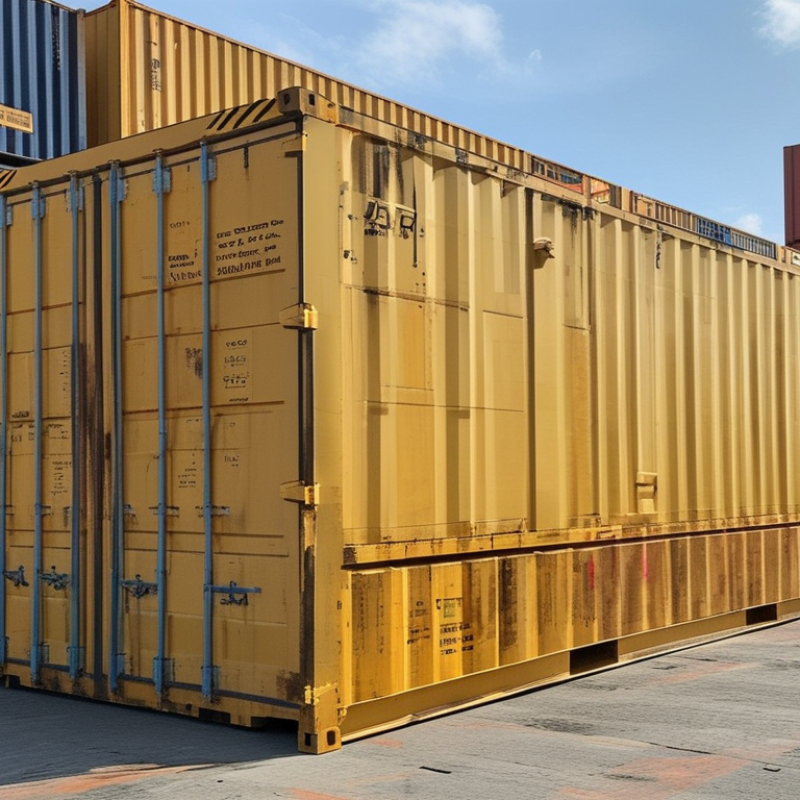
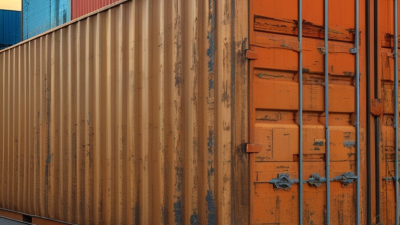
Choosing a 40ft shipping container starts with a careful condition check, not a quick price comparison. Walk around it in daylight. Look for twisted corner posts, deep dents, heavy rust, and repaired welds. Open both doors and check whether they close evenly. A practical test is simple: place a thin sheet of paper near the seal and close the door. If it pulls out easily, water may enter.
Inspect the roof from a safe position, then examine the floor from inside. The floor should feel firm, dry, and free from soft patches. Watch for oil stains or strong chemical smells. These details are easy to ignore during a rushed inspection. I have learned that a clean exterior can hide a damaged floor. Check the identification plate, maximum gross weight, tare weight, and inspection markings. Requirements vary by route and country, so confirm them with a qualified surveyor or transport authority.
Security needs more than a padlock. Choose sound door bars, protected lock fittings, and a lockbox when theft risk is high. Check that ventilation openings are intact and screened. Add tie-down points if the cargo needs stable positioning. A high-cube model may provide useful extra height, but confirm clearance before delivery. One overlooked issue is site access. Measure gates, turning space, overhead lines, and ground strength. My own checklist is not perfect, so I photograph every defect and request written repair details before committing.
Choosing a 40ft shipping container starts with total cost, not the lowest advertised price. A new unit may look clean, but a used container can offer better value for dry storage. Inspect the floor, roof seams, door bars, locking rods, and the CSC safety plate. A small roof dent may be harmless; active corrosion around the corner posts is not.
Market conditions also affect delivery costs. UNCTAD’s Review of Maritime Transport 2024 reported 2.4% growth in global maritime trade during 2023, while fleet capacity increased by about 3.4%. That imbalance can influence equipment availability and transport pricing. Drewry’s World Container Index tracks ocean freight rather than container purchase prices, but it still shows how quickly logistics costs can change. Request a written quote covering the container, delivery, unloading, taxes, site access, and waiting time. Hidden charges hurt.
Supplier reliability matters over several years. Ask for recent inspection photos, production details, and a clear damage policy. Confirm whether a truck can reach your site and whether a crane or side-loader is included. Measure the entrance first. It sounds obvious. I have seen buyers pay for containers that could not enter narrow gates. Long-term value depends on ventilation, local humidity, repainting, and security upgrades. A cheaper box may need repairs within months, so compare five-year ownership costs, not only the invoice.