What Is a 40ft Shipping Container Used For?

A 40ft shipping container is more than a steel box moving cargo between ports. Its internal length, strong frame, and weather-resistant panels make it useful for transport, storage, and carefully planned conversions. Businesses often use it to move pallets, machinery, furniture, packaged materials, and seasonal inventory. Its larger capacity can reduce handling costs when goods are packed efficiently.

It also serves as a practical storage room at construction sites, farms, warehouses, and commercial properties. Some owners convert containers into offices, workshops, retail spaces, or compact accommodation. However, these projects require more than paint and furniture. Cutting walls can weaken the structure, while poor ventilation may cause condensation, heat buildup, or damaged goods. A qualified professional should inspect the unit before modification.

Condition matters greatly. A new container may offer cleaner surfaces, while a used unit can show dents, rust, worn door seals, or previous repairs. The floor, roof, locking bars, and corner posts deserve close attention. Cargo weight must remain within the manufacturer’s limits, and distribution should stay balanced. Local planning, building, fire, electrical, and placement requirements may also apply.

Small details matter.

This article explains what a 40ft shipping container is commonly used for and where its practical limits appear. It does not treat every container as identical. That would be misleading. Real-world suitability depends on the container’s grade, location, climate, intended load, and planned modifications. Careful inspection and professional advice usually prevent expensive mistakes.

What Is a 40ft Shipping Container Used For?

What a 40ft Shipping Container Is

What a 40ft Shipping Container Is

A 40ft shipping container is a large steel transport box built for ocean, rail, and road freight. It usually measures about 40 feet long, 8 feet wide, and 8 feet 6 inches high. Internal space is slightly smaller because of thick walls, floor boards, and door fittings. A typical unit provides roughly 67 cubic meters of storage, although dimensions vary between standard and high-cube models.

Its strong frame protects cargo from rain, dust, and rough handling. Double doors at one end allow access to pallets, equipment, furniture, or building materials. Many containers have wooden floors and corner castings for lifting. In practical use, condition matters more than appearance. Rust near the roof, damaged seals, or a bent door can create expensive problems. I have seen clean-looking units leak after heavy rain, so inspection should never be skipped.

Tips: Check the floor, roof, doors, and locking bars carefully. Measure your access route before delivery. A loaded container may require a firm, level surface and suitable lifting equipment. Ventilation helps reduce condensation, especially when temperatures change quickly. Do not assume every 40ft container suits permanent occupancy; insulation, electrical work, fire safety, and local permissions may be necessary. The space is impressive, but poor planning can make it awkward.

Key Dimensions, Capacity, and Structural Features

A 40ft shipping container is built for long-distance cargo movement and practical storage. Its external dimensions are usually 40 feet long, 8 feet wide, and 8 feet 6 inches high. Internal space is approximately 39 feet 5 inches long, 7 feet 8 inches wide, and 7 feet 10 inches high. A standard model offers about 67 cubic meters of volume.

Capacity depends on the container’s tare weight, cargo type, and approved gross weight. Many standard units carry roughly 26 to 28 metric tons, but the door plate provides the reliable limit.

A high-cube version adds about one foot of interior height, reaching an external height of 9 feet 6 inches. That extra clearance helps with tall equipment, stacked cartons, and warehouse-style shelving.

Measure carefully. Small errors can become expensive.

The structure uses corrugated steel wall panels, strong corner posts, roof rails, and a reinforced floor frame. Timber or composite flooring commonly supports concentrated loads, though damaged boards need inspection before use. Double doors include locking bars and flexible seals, while small vents reduce condensation.

In field inspections, rust around the lower rails and uneven doors often reveal harder problems. A clean exterior is not proof of sound structure.

Check the identification plate, door operation, floor condition, welds, and previous repairs before loading or converting the unit. Converting one into a workspace also requires professional review of ventilation, insulation, electrical systems, and local building requirements.

Common Industries and Practical Uses

What Is a 40ft Shipping Container Used For?

A 40ft shipping container supports several industries because it offers substantial, standardized space. ISO 668 defines its external length at about 12.2 meters. A standard unit usually provides roughly 67 cubic meters of internal capacity, although payload limits vary by design and local road rules.

Manufacturers use these containers for moving machinery, furniture, packaged materials, and construction supplies. Retailers often load them with seasonal inventory, while agricultural businesses use modified units for equipment storage or controlled growing environments. In field operations, a 40ft container can become a temporary workshop, site office, archive room, or secure parts store. It needs ventilation, lighting, and insulation when people or sensitive goods occupy the space.

Maritime trade carries over 80% of global merchandise by volume, according to UNCTAD’s Review of Maritime Transport 2024. This explains why container dimensions remain central to international logistics. The World Bank’s 2023 Logistics Performance Index also highlights tracking and delivery timeliness as important supply-chain measures. A 40ft box helps standardize handling, but it cannot solve poor planning. Its internal width may restrict bulky equipment, and uneven loading can damage cargo or create unsafe weight distribution. Dry containers also lack temperature control. That detail is easy to miss. Careful measurements, moisture checks, and a documented loading plan matter more than the container’s impressive size.

Specialized 40ft Container Types and Modifications

A 40ft shipping container is more than a large steel box for general cargo. Its specialized versions support temperature control, oversized equipment, secure storage, and temporary workspaces. Choosing the right type depends on cargo dimensions, handling methods, and site conditions.

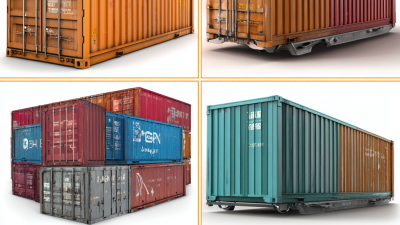
A high-cube container provides extra internal height for tall crates, shelving, or machinery. An open-top model allows cranes to load equipment above standard door height. It needs a properly secured cover during transport. A side-opening container gives wider access for pallets and long items. However, its doors can increase structural stress and require careful inspection. Refrigerated containers maintain controlled temperatures for suitable goods, but operators must monitor power supply, airflow, and temperature records. Small errors matter.

Modifications can include personnel doors, ventilation grilles, lighting, insulation, flooring, and internal partitions. Cutting steel panels without reinforcing the frame may weaken the container. Welding should follow an engineered plan, especially around corner posts and door openings. Electrical systems also need qualified installation and local approval. In my experience, users often focus on appearance first. That can be a costly mistake. A clean interior does not prove watertightness or structural fitness. Inspect door seals, roof panels, floor condition, locking bars, and corner castings before purchase or rental. Cargo weight must remain evenly distributed, with tie-down points matched to the load. Some modifications look practical but reduce resale value or complicate future transport. A written inspection record helps teams make safer, more reliable decisions.

Loading, Transport, and Safety Considerations

A 40ft shipping container is commonly used for high-volume cargo, including machinery, packaged goods, furniture, and retail inventory. Its internal volume is roughly 67 cubic metres, while allowable payload often approaches 26–28 metric tonnes. The container’s CSC safety plate controls the actual limit, not a general online specification. UNCTAD’s Review of Maritime Transport 2023 notes that over 80% of global merchandise trade by volume moves by sea, making efficient container loading essential.

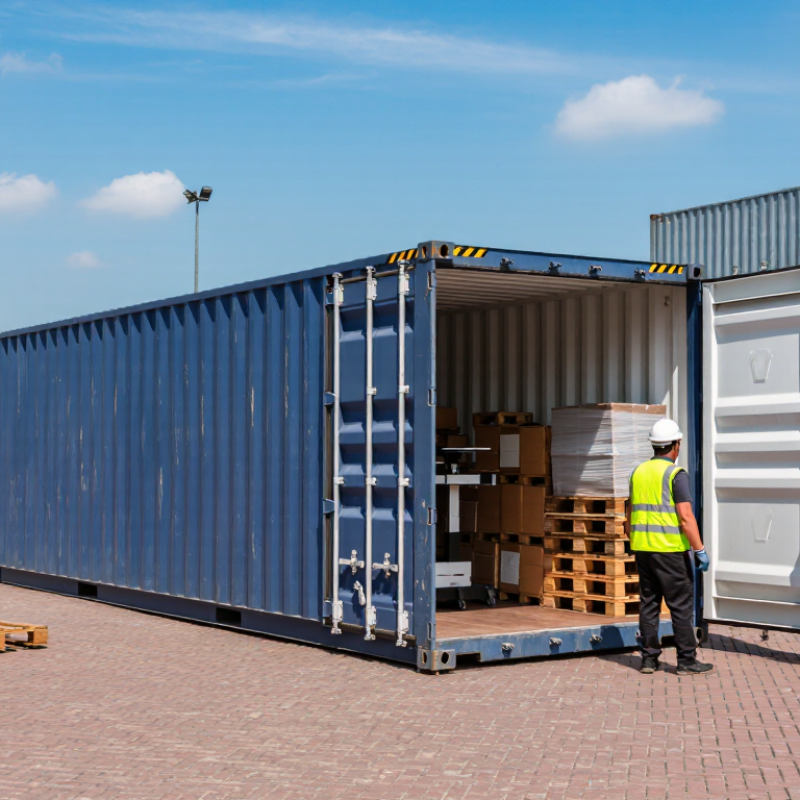
Loading should begin with a weight plan. Heavy cartons belong on the floor, near the centre, with lighter goods above them. Cargo must be secured with blocking, bracing, straps, or airbags. Leave no loose space. A small gap can become dangerous during braking, rough seas, or rail movement. Doors should close without pressure. Otherwise, the load may shift or damage the frame.

Transport safety also depends on accurate weight reporting. Under the International Maritime Organization’s SOLAS verified gross mass requirement, the shipper must declare the container’s total loaded weight before vessel loading. Use a certified scale where possible. Check moisture-sensitive cargo, ventilation needs, and floor condition before stuffing. The CTU Code recommends inspecting cargo transport units and securing loads for the entire journey. The awkward lesson is that a fast loading process can create slow, expensive problems later. One missed weight entry or weak restraint may affect cranes, vehicles, and people.

What Is a 40ft Shipping Container Used For? - Loading, Transport, and Safety Considerations
Category Typical Data or Specification Common Use Loading and Transport Considerations Safety Considerations
External Dimensions Approximately 40 ft long × 8 ft wide × 8 ft 6 in high (12.19 m × 2.44 m × 2.59 m) Standard intermodal transport by ship, rail, and road Confirm that the route, vehicle, loading area, and access points can accommodate the container length and height. Check overhead clearances, turning space, ground conditions, and local transport regulations before moving the unit.
Internal Dimensions Approximately 39 ft 5 in long × 7 ft 8 in wide × 7 ft 10 in high (12.03 m × 2.35 m × 2.39 m) Storage of palletized goods, machinery, furniture, building materials, and general cargo Allow space for interior bracing, airflow, door operation, and safe access to the cargo. Measure cargo before loading and protect interior surfaces from sharp edges, moisture, and chemical damage.
Internal Cubic Capacity Approximately 2,390 cubic feet (67.7 cubic meters) High-volume cargo that is relatively light or moderately dense Use a loading plan to reduce unused space and distribute weight evenly from front to rear and side to side. Do not treat available volume as the allowable payload; weight limits may be reached before the container is full.
Tare Weight Commonly about 3,700–4,000 kg (8,160–8,820 lb), depending on construction and equipment Used to calculate the total gross weight of the loaded container Use the tare weight marked on the container rather than relying only on a general estimate. Incorrect tare data can result in overloaded vehicles, inaccurate shipping documents, and unsafe handling.
Maximum Gross Weight Often up to 30,480 kg (67,200 lb), subject to the container's safety plate and applicable regulations Determines the maximum combined weight of the container and its contents Verify road, rail, port, and lifting limits because the permitted weight may be lower than the container rating. Never exceed the maximum gross weight shown on the container's safety approval plate.
Practical Payload Often approximately 26,000–28,000 kg (57,300–61,700 lb), calculated from gross weight minus tare weight Transporting bulk cargo, equipment, packaged goods, and commercial inventory Weigh the cargo, packaging, pallets, dunnage, and securing equipment together before dispatch. Follow the lowest applicable payload limit imposed by the container, chassis, road, bridge, rail, or port.
Door Opening Approximately 7 ft 8 in wide × 7 ft 5 in high (2.34 m × 2.28 m), with variations by unit Loading pallets, crates, long items, and wheeled handling equipment Check the actual door opening and use suitable forklifts or pallet trucks for the cargo dimensions. Keep personnel clear of doors during opening; doors can move suddenly if cargo has shifted against them.
Floor Loading Wooden flooring is designed for heavy cargo, but the permitted load depends on the container condition and regulations Supporting machinery, boxed products, pallets, and dense cargo Use load-spreading materials for concentrated point loads and keep heavy items low and properly supported. Inspect the floor for rot, broken boards, contamination, or protruding fasteners before loading.
Weight Distribution Loads should be balanced longitudinally and laterally, with the center of gravity kept low Maintaining stability during lifting, road travel, rail movement, and sea transport Place dense items near the center when appropriate, avoid excessive front or rear concentration, and secure every load. Poor distribution can cause vehicle instability, chassis stress, cargo shift, or unsafe lifting conditions.
Cargo Securing May include blocking, bracing, straps, chains, airbags, anti-slip materials, and dunnage Preventing cargo movement caused by braking, acceleration, vibration, vessel motion, or uneven roads Select securing equipment according to cargo weight, shape, fragility, and expected movement forces. Inspect restraints before closing the doors and confirm that no cargo can fall when the doors are opened.
Pallet Capacity Commonly accommodates around 20 standard 48 in × 40 in pallets, depending on arrangement and cargo dimensions Distribution of cartons, packaged materials, food products, and retail inventory Test the pallet layout in advance and account for pallet overhang, aisle space, door clearance, and securing materials. Keep pallets stable, use suitable wrapping or restraints, and avoid blocking ventilation openings.
Weather Protection Steel construction provides protection from rain and external exposure when the unit is structurally sound Temporary or long-term storage of non-perishable goods and equipment Use pallets or raised supports to keep cargo above possible condensation or floor moisture. Inspect door seals, roof panels, corner posts, and walls for leaks, corrosion, and structural damage.
Ventilation and Condensation Closed containers can experience temperature changes and internal condensation, sometimes called container rain Storage and transport of goods that are sensitive to moisture or temperature variation Use dry cargo, moisture absorbers, ventilation where appropriate, and suitable packaging for the journey. Do not rely on a closed steel container for climate control; sensitive goods may require specialized equipment.
Forklift Handling Forklift capacity must be sufficient for the cargo weight and the load center distance Loading and unloading pallets, crates, and compact machinery Use a level surface, keep forks fully engaged, and verify that the container floor can support the equipment. Only trained operators should enter or work around the container during forklift operations.
Lifting and Crane Handling Use approved corner castings and lifting equipment rated for the container's gross weight Transfer between vessels, rail wagons, chassis, and handling yards Use certified spreader equipment where required and ensure the container is evenly suspended before lifting. Keep people outside the exclusion zone; never stand or work beneath a suspended container.
Road Transport Usually carried on a compatible container chassis or skeletal trailer First-mile and last-mile movement between ports, warehouses, terminals, and customer sites Engage all required twist locks, confirm axle weights, and check the route for height, width, and weight restrictions. Inspect the chassis, locking devices, tires, brakes, lights, and container attachment points before departure.
Rail and Sea Transport Designed for intermodal transfer without unloading the cargo Long-distance international and domestic freight movement Use accurate cargo declarations, verified gross mass information, and securing methods suitable for intermodal handling. Comply with applicable maritime, rail, customs, dangerous-goods, and terminal safety requirements.
Dangerous Goods Controlled substances may require approved packaging, labels, documentation, and handling procedures Transport of regulated chemicals, batteries, fuels, aerosols, and other hazardous materials Confirm acceptance requirements before loading and separate incompatible substances when required. Follow applicable dangerous-goods regulations and never load unidentified, leaking, or improperly packaged materials.
Personnel Access Interior access should be controlled and limited to trained, authorized personnel Inspection, loading, unloading, inventory checks, and maintenance Keep walkways clear, provide adequate lighting, and maintain communication with equipment operators. Watch for poor air quality, low oxygen, fumes, heat, slippery floors, unstable cargo, and limited emergency exits.
Final Inspection Check doors, locks, seals, structural condition, cargo restraints, and identification details before dispatch Reducing cargo damage, delays, loss, and safety incidents Photograph the loaded condition when appropriate and record seal information and verified weights. Do not dispatch a container with damaged locking bars, compromised corner posts, leaking contents, or unsecured cargo.
Get a Quote
910-483-7828