Top 40 ft Container Dimensions and Capacity Guide

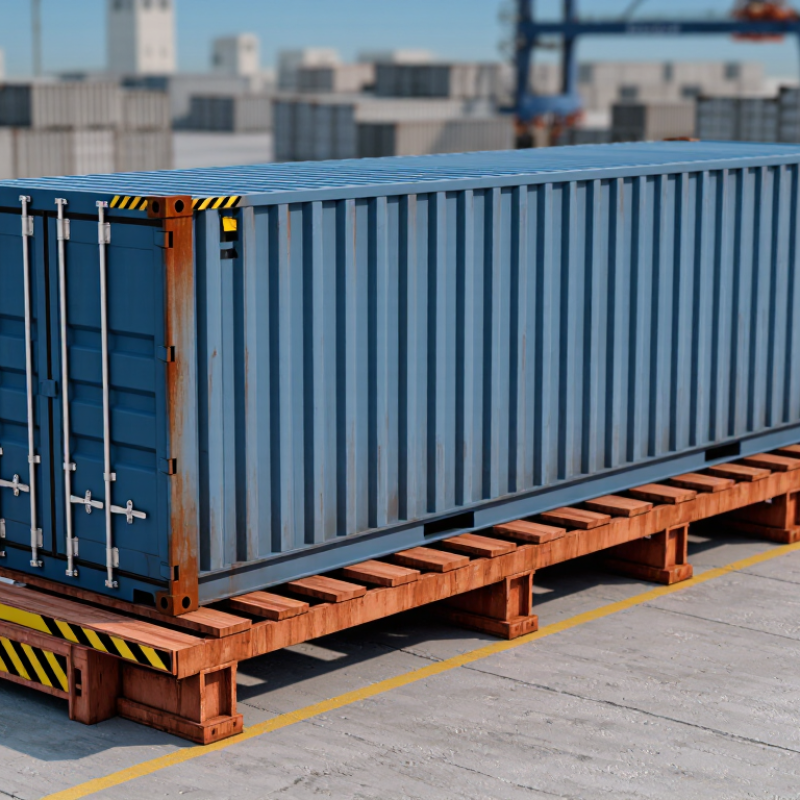
A 40 ft container looks simple: twelve metres of steel, timber flooring, corner posts, and two heavy doors. Its standard external dimensions are approximately 12.19 metres long, 2.44 metres wide, and 2.59 metres high. Internal space usually reaches about 67 cubic metres, although usable capacity depends on wall thickness, fittings, and container type.

Jean-Paul Rodrigue, a recognized freight-transport scholar, describes the container as “the load unit of freight distribution.” That sentence explains its importance. A 40 ft container is not merely a large box. It connects factories, warehouses, ports, railways, and delivery networks. The UNCTAD Review of Maritime Transport consistently identifies container shipping as a central pillar of global trade. Drewry’s Container Forecaster also shows why capacity planning remains commercially important as vessel supply, port congestion, and cargo demand change.

This guide examines dimensions, cubic capacity, payload limits, door openings, and practical loading space. A standard 40 ft dry container may hold around 26,000–28,000 kilograms, but the certified maximum varies by manufacturer and local operating requirements. Check the door plate.

Published figures are not perfectly uniform. That matters. A brochure may show theoretical volume, while a warehouse team needs realistic stacking space. Pallets, moisture, packaging, axle limits, and uneven weight distribution can reduce the usable result. One overlooked detail can become an expensive delay. This guide therefore compares technical specifications with real handling considerations, helping shippers choose equipment with greater accuracy—and fewer assumptions.
Top 40 ft Container Dimensions and Capacity Guide

40-Foot Container Types and Their Standard Uses

Top 40 ft Container Dimensions and Capacity Guide

40-Foot Container Types and Their Standard Uses

A standard 40-foot container measures about 12.19 metres long and 2.44 metres wide externally. ISO 668:2020 lists a typical maximum gross mass of 30,480 kilograms. Internal capacity usually reaches 67.7 cubic metres, with payload near 26,500 kilograms. Actual figures vary by manufacturer, flooring, and container age.

The 40-foot high-cube container adds about 30 centimetres of height. Its internal volume is commonly near 76.3 cubic metres. This extra space suits lightweight furniture, packaged insulation, and tall retail cartons. The cargo may fill the volume before reaching the weight limit. That is easy to overlook. The UNCTAD Review of Maritime Transport 2024 shows container shipping remains a major part of global liner logistics, making efficient cubic use increasingly important.

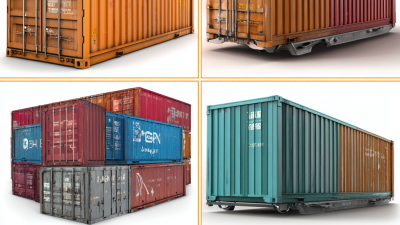
Refrigerated 40-foot units protect chilled or frozen cargo with insulated walls and powered cooling equipment. Their usable volume is lower, often around 64 to 67 cubic metres. Open-top containers suit machinery, timber, and cargo loaded by crane. Flat racks handle oversized industrial equipment when side or top clearance is essential.

In practice, a high-cube choice can fail when a port, warehouse, or road route lacks clearance. Always verify the door opening, tare weight, payload plate, and local transport limits before loading.

Data source: ISO 668:2020 and Drewry’s Container Census and Lease Industry Annual Review 2024.
External and Internal Dimensions Explained

A 40 ft container is usually 12.192 metres long and 2.438 metres wide externally. Its standard external height is 2.591 metres, according to ISO 668:2020. Internal dimensions are smaller: about 12.032 metres long, 2.352 metres wide, and 2.393 metres high. That leaves roughly 67.7 cubic metres of usable space. The walls, corner posts, doors, and floor structure consume more room than many loading plans assume.

A 40 ft high-cube container keeps the same length and width but rises to about 2.896 metres externally. Its internal height is near 2.698 metres, creating approximately 76 cubic metres of capacity. The Container Handbook published by the German Insurance Association lists similar practical dimensions, while ISO standards define the basic size and rating requirements. Maximum gross mass is commonly 30,480 kilograms, but tare weight varies. Payload may therefore fall near 26,000–28,000 kilograms.

Capacity is not only a volume question. Pallet height, door clearance, axle limits, and uneven weight distribution can reduce usable space. A simple sketch helps. Leave working clearance near the doors. UNCTAD’s Review of Maritime Transport 2024 shows the continuing scale of global containerized trade, but real shipments still depend on local equipment and handling rules. Published dimensions are useful, not absolute. Even a careful plan can fail when cargo packaging changes. Check the container’s door plate and inspection records before loading.

Cargo Capacity, Volume, and Weight Limits

Top 40 ft Container Dimensions and Capacity Guide

Cargo Capacity, Volume, and Weight Limits

A standard 40 ft container usually measures about 12.03 meters long, 2.35 meters wide, and 2.39 meters high inside. Its usable volume is approximately 67 cubic meters, though door frames and wall fittings reduce practical space. A high-cube version offers extra height and may reach nearly 76 cubic meters. Check the equipment specification before planning cargo.

Weight limits require closer attention than volume. Many standard units allow a payload of about 26,000 to 28,000 kilograms. The maximum gross weight is often near 30,480 kilograms, including the container itself. However, road regulations, terminal rules, and the container’s safety plate can impose lower limits. A full container is not automatically a legal container. Weight distribution matters too. Heavy cartons placed at one end can damage flooring or create unsafe handling conditions.

Tips: Measure packed cargo, not empty cartons. Leave clearance near the doors for safe closing. Place dense items low and spread them across the floor. Use load bars or suitable blocking when movement is possible. Recheck the weight after pallets, wrapping, and bracing are added. It is easy to underestimate these materials. Volume calculations also need caution, because irregular cartons create unused gaps. In practice, a plan based only on cubic meters may fail when pallet dimensions or axle limits are considered. Always confirm the container plate and current transport requirements before loading.

40 ft Container Dimensions and Capacity Guide

Container Type Internal Length Internal Width Internal Height
40 ft Standard 12.03 m 2.35 m 2.39 m
40 ft High Cube 12.03 m 2.35 m 2.70 m

A 40 ft High Cube container provides approximately 76.4 m³ of cargo volume, compared with about 67.7 m³ for a standard 40 ft container. Typical maximum gross weight is approximately 30.48 tonnes, while payload capacity is generally around 26.6–26.7 tonnes after subtracting the container tare weight. Actual specifications may vary by container design, owner, and transport regulations.

Door Sizes, Floor Space, and Loading Considerations

Top 40 ft Container Dimensions and Capacity Guide

Door Sizes, Floor Space, and Loading Considerations

A standard 40 ft container usually measures about 12.19 meters long, 2.44 meters wide, and 2.59 meters high externally. Internal space is typically near 12.03 meters by 2.35 meters, with roughly 2.39 meters of height. Exact figures vary by container design and age. Check the identification plate before planning.

The doorway is often about 2.34 meters wide and 2.28 meters high. That opening matters more than the internal height when loading pallets, machinery, or tall cartons. A 40 ft high-cube container adds approximately 30 centimeters of height. Its doors may remain similar in width, so extra roof space does not solve every access problem.

Floor space is close to 28 square meters, while internal capacity commonly reaches 67 cubic meters. Do not treat that volume as fully usable. Pallet gaps, wall ribs, and uneven carton shapes reduce practical capacity. Place dense cargo low and near the center. Keep weight distributed across the floor, not concentrated at one end. Use rated restraints and protect cargo from movement during transport.

A loading plan should include pallet dimensions, aisle needs, door clearance, and axle limits. Measure the largest item twice. One overlooked corner can stop the entire loading process. My own planning preference is to leave a small working margin, although that can reduce theoretical capacity. Payload limits also vary, so confirm the container plate and transport documents before loading.

Choosing the Right 40-Foot Container for Your Cargo

Top 40 ft Container Dimensions and Capacity Guide

Choosing the right 40-foot container starts with your cargo, not the container label. A standard 40-foot container usually provides about 67 cubic meters of internal space. Its interior measures roughly 12.03 meters long, 2.35 meters wide, and 2.39 meters high. A high-cube model adds about 30 centimeters of height and offers nearly 76 cubic meters. Payload limits often range from 26 to 28 metric tons, but the actual limit depends on the container and transport route. Always verify the specification plate and carrier requirements.

Think about how your cargo will fit through the doors. Large machinery may need extra clearance, while boxed goods require efficient pallet planning. Heavy items should stay low and near the center. Uneven loading can damage products or affect vehicle stability. Moisture-sensitive cargo may need liners, desiccants, or ventilation planning. I have found that volume estimates are often too optimistic. Pallet gaps, protective packaging, and awkward shapes consume space quickly. Measure the packed cargo, not the product alone.

Tips: Leave practical working space around fragile or irregular items. Compare standard and high-cube dimensions before booking. Check maximum gross weight, door opening size, and floor condition. Make a simple loading diagram, then review it with the packing team. Small changes can prevent expensive reloading.

Top 40 ft Container Dimensions and Capacity Guide - Choosing the Right 40-Foot Container for Your Cargo

Container Type Typical Cargo External Dimensions
(L × W × H)
Internal Dimensions
(L × W × H)
Door Opening
(W × H)
Approx. Internal Volume Typical Tare Weight Typical Maximum Payload Best Use
40 ft Standard Dry Container Cartons, machinery, furniture, textiles, and general merchandise 12.19 × 2.44 × 2.59 m
40 × 8 × 8 ft 6 in
12.03 × 2.35 × 2.39 m
39 ft 6 in × 7 ft 8 in × 7 ft 10 in
2.34 × 2.28 m
7 ft 8 in × 7 ft 6 in
Approximately 67.7 m³
2,390 ft³
3,700–4,000 kg
8,160–8,820 lb
Approximately 26,480 kg
58,380 lb
Dense or standard-height cargo that does not require extra vertical clearance
40 ft High Cube Dry Container Lightweight, bulky, tall, or high-volume general cargo 12.19 × 2.44 × 2.90 m
40 × 8 × 9 ft 6 in
12.03 × 2.35 × 2.70 m
39 ft 6 in × 7 ft 8 in × 8 ft 10 in
2.34 × 2.58 m
7 ft 8 in × 8 ft 6 in
Approximately 76.3 m³
2,696 ft³
3,900–4,200 kg
8,600–9,260 lb
Approximately 26,280 kg
57,940 lb
Maximizing cubic capacity when the cargo is volume-sensitive rather than weight-sensitive
40 ft High Cube Reefer Container Fresh produce, frozen foods, pharmaceuticals, and temperature-sensitive goods 12.19 × 2.44 × 2.90 m
40 × 8 × 9 ft 6 in
Approximately 11.56 × 2.29 × 2.54 m Approximately 2.29 × 2.48 m Approximately 67–68 m³
2,365–2,402 ft³
Approximately 4,800–5,200 kg
10,580–11,460 lb
Approximately 25,500 kg
56,220 lb
Cargo requiring controlled temperature, ventilation, and monitoring
40 ft Open Top Container Scrap metal, timber, stone, machinery, and cargo loaded from above 12.19 × 2.44 × 2.59 m
40 × 8 × 8 ft 6 in
Approximately 12.03 × 2.35 × 2.35 m Approximately 2.34 × 2.28 m Approximately 66–67 m³
2,330–2,366 ft³
3,800–4,300 kg
8,380–9,480 lb
Approximately 26,180 kg
57,720 lb
Oversized or heavy cargo that cannot be safely loaded through standard doors
40 ft Platform or Flat Rack Industrial equipment, vehicles, pipes, tanks, and project cargo Approximately 12.19 × 2.44 m
40 × 8 ft
No enclosed internal dimensions No standard door opening Not applicable Approximately 5,800–6,000 kg
12,790–13,230 lb
Approximately 26,000 kg
57,320 lb
Cargo exceeding enclosed-container dimensions or requiring crane and side loading
Selection Notes: Dimensions, tare weight, payload, and volume can vary by manufacturer, construction material, equipment, and applicable safety regulations. Always confirm the specific container’s certification plate, maximum gross mass, internal clearance, floor loading limit, and carrier acceptance before booking.
Get a Quote
910-483-7828