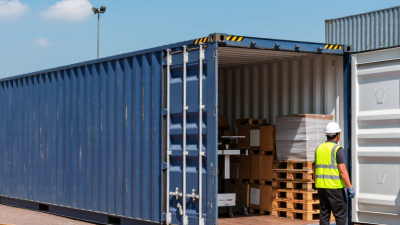
Top 10 40ft Storage Containers for Global Buyers
Choosing a 40 storage container is not simply a matter of comparing prices online. Global buyers must examine structure, weather resistance, delivery access, and long-term usability. A standard 40-foot container is about 12.2 metres long, 2.44 metres wide, and 2.59 metres high. Those measurements sound simple. They are not.
A container may look excellent in photographs yet show rust beneath the floor, damaged door seals, or uneven corner posts. Experienced buyers should request recent inspection images, internal measurements, flooring details, and clear information about previous use. Paint condition matters, but door alignment matters more. The cheapest unit can become expensive after transport, repairs, and site preparation.
Marc Levinson, author of The Box, wrote, “The container made shipping cheap and reliable.” His observation still helps explain the container’s lasting value, although storage buyers need a broader view. Reliability also depends on ventilation, drainage, insulation, and local delivery conditions. A dry agricultural site may need different protection than an urban construction project.
This guide reviews ten 40ft storage containers suitable for different budgets and applications. It considers new, refurbished, high-cube, side-opening, and specialist configurations. Not every option will suit every buyer. That is the uncomfortable part.
A perfect container does not exist. The right choice depends on cargo, climate, access, maintenance expectations, and total delivered cost. Buyers should compare evidence, not attractive labels. Small details often decide whether the container remains useful after years outdoors.

40ft Storage Containers: Types, Dimensions, and Core Specifications
A 40ft storage container offers practical space for equipment, documents, furniture, and industrial materials. Standard dry models usually measure about 12.19 meters long and 2.44 meters wide externally. Their internal length is typically near 12 meters. High-cube models add height, reaching approximately 2.90 meters externally. This extra clearance helps when storing tall racks or bulky machinery. Door openings often measure around 2.34 meters wide and 2.28 meters high, but dimensions vary by manufacturer and production year.
Common types include standard dry, high-cube, side-opening, double-door, and insulated containers. Side-opening units provide easier access along the long wall. Double-door designs support faster loading from both ends.
Key specifications include internal volume, maximum gross weight, tare weight, floor load, door size, ventilation, and locking-bar construction. Payload figures can differ significantly. Check the identification plate and current inspection records, not only the sales sheet.
Condition also matters: small dents may be harmless, while floor damage or leaking roof seams need careful review.
Steel thickness is useful, but it does not reveal every weakness. I have seen visually clean containers hide uneven floors. That detail deserves a second inspection.
Tips:
Ask for external and internal drawings. Confirm local road height limits before delivery. Inspect corner posts, door gaskets, and plywood flooring. Request clear photos taken inside the empty unit. Allow space for airflow around stored goods, especially in humid coastal regions. A dry container is not automatically climate-controlled. Temperature-sensitive materials may need insulation or separate environmental equipment.
How to Evaluate 40ft Containers for Different Storage Requirements
Top 10 40ft Storage Containers for Global Buyers
A 40ft container is not automatically the best storage choice. Match the unit to volume, access, climate, and loading equipment. ISO 668 sets common external dimensions at 12.192 metres long and 2.438 metres wide. A standard unit offers roughly 67.7 cubic metres internally, while a high-cube version provides about 76.4 cubic metres. That extra height helps with shelving, but it can complicate placement under low clearance.
Check the CSC safety plate, corner posts, floor condition, door seals, and previous repairs. The plate shows the permitted gross mass; do not rely on a seller’s advertised payload. A dry, level floor matters too. Moisture often enters through damaged seals, not dramatic roof holes. A flashlight and a simple hose test can reveal problems. My own checklist would include ventilation, because stored goods may sweat during temperature changes. It is easy to overlook.
UNCTAD’s Review of Maritime Transport 2024 records global port container throughput at about 858 million TEU in 2023. That scale supports broad equipment availability, but it does not guarantee consistent quality in every market. For regional comparison, record internal volume, tare weight, manufacturing year, repair history, delivery distance, and inspection cost. Consider total cost, not only the purchase price. A cheaper box may require repainting, floor replacement, or crane handling. Sometimes, the “best” container is simply the one that arrives intact.
Top 10 40ft Storage Container Options for International Buyers
International buyers need more than a large steel box. UNCTAD’s Review of Maritime Transport 2024 reports that over 80% of global merchandise trade moves by sea. That makes standardized equipment valuable for cross-border planning. ISO 668 defines common container dimensions. A typical 40ft unit is 12.192 meters long externally, with usable space varying by design and condition. Payload limits also differ, so buyers should verify the manufacturer’s plate and local transport rules.
The ten practical 40ft storage options include
standard dry,
high-cube,
side-opening,
full-side-opening,
double-door,
tunnel,
insulated,
ventilated,
refrigerated,
and
modified workshop units.
Standard dry models suit cartons, tools, and general equipment. High-cube units add vertical clearance for shelving.
Side-opening designs improve access to pallets. Double-door models simplify loading from both ends.
Tunnel units help organize frequent stock movement. Ventilated units reduce condensation risks.
Insulated models support temperature-sensitive storage, but they do not replace controlled warehousing. Refrigerated units require reliable electricity and technical servicing.
Workshop conversions offer lighting and shelving, yet they need careful structural inspection. The World Bank Logistics Performance Index highlights reliability as a key supply-chain concern.
Therefore, buyers should check CSC markings, corrosion, door seals, floor strength, and delivery access.
Measure twice. A perfect choice rarely exists; local availability, port charges, and climate can change the practical ranking.
Global Pricing, Shipping, Customs, and Supplier Considerations
For global buyers, a 40ft storage container is priced by condition, location, and availability. A practical top-ten comparison can cover standard dry, high-cube, one-trip, used, wind-and-water-tight, side-opening, double-door, insulated, modified, and refurbished units. New units often cost more, while used units may need floor, door, or roof repairs. Request a landed-cost quote, not only a factory price.
Freight, port handling, inland delivery, insurance, taxes, and inspection fees can change the final figure. Prices move. Shipping depends on the origin port, destination port, season, route, and equipment availability. Confirm whether the container travels as standard cargo or requires special handling. Remote delivery may require a crane, a suitable truck, and firm ground. Measure the entrance before ordering.
Customs requirements differ by destination. Prepare the commercial invoice, packing list, bill of lading, origin details, and accurate HS classification. Some authorities also request treatment certificates, import permits, or proof of container condition. Never rely on a generic customs promise. Supplier reliability deserves equal attention. Check inspection records, corrosion photos, door-seal condition, locking bars, floor damage, and repair history. Use a written specification with tolerances, payment stages, warranty limits, and a remedy for mismatched units. Independent inspection costs money, but replacement delays cost more. I would still question unusually cheap quotes. They may exclude inland transport, port charges, or necessary repairs.
Inspection, Certification, Maintenance, and Safe-Use Guidelines
For global buyers, a 40ft storage container must pass more than a visual check.
During receiving inspections, examine corner castings, roof seams, door bars, hinges, and floor boards. Look for fresh paint hiding corrosion. Measure door alignment with a simple clearance check. Water stains near the roof line deserve attention. A container that smells damp may already have hidden damage. Record serial details, photographs, dimensions, and repair history before acceptance. This evidence supports purchasing decisions and future claims. It also makes remote buying less uncertain.
Certification should match the intended use and destination requirements.
Ask for current inspection records, structural repair documents, and applicable safety certificates. A qualified inspector should verify lifting points, frame integrity, locking gear, and load markings. Certificates do not replace physical inspection. They can be outdated, incomplete, or misunderstood. Check the issuing authority and validity directly when possible. Requirements may differ for storage, transport, stacking, or modified units. Do not cut doors or weld fittings before reviewing structural impacts and local approval needs.
Maintenance starts with drainage.
Keep roof channels clear, lubricate hinges, and inspect door gaskets every few months. Store the unit on level supports, above standing water, with airflow beneath the floor. Never exceed the stated payload or stack without engineered guidance. Heavy goods should sit low and spread across the floor. Secure the doors against wind. I have seen small leaks become expensive floor repairs. Checklists help, but they are not perfect. Underside corrosion is easy to miss. A second inspection after delivery can reveal handling damage. Keep dated records, even for minor repairs.