10 Tips for Buying a 40ft Shipping Container?

Buying a 40ft shipping container looks simple until the first inspection begins. Photos can hide floor damage, roof dents, leaking seams, and heavy rust around the doors. The right choice depends on condition, intended use, delivery access, and total cost—not only the advertised price. John Manners-Bell, a respected logistics analyst, offers a useful reminder: “Trust in supply chains is built through transparency, not promises.” That principle belongs in every container purchase.

A reliable buyer checks the container’s identification number, manufacturing year, exterior panels, door gaskets, locking bars, and wooden floor. Open both doors. Look for daylight inside. Smell the interior, too. Chemical odors may indicate previous cargo or cleaning problems. Ask whether the container is wind and watertight, and request recent inspection photographs. A valid inspection record adds confidence, but it should not replace a physical check.

Measure the delivery route carefully. A 40ft shipping container may require a large truck, turning space, firm ground, and overhead clearance. One overlooked tree branch can create an expensive delay. Confirm the internal dimensions, maximum payload, flooring condition, and delivery equipment before paying. Used containers are rarely perfect. Even experienced buyers can miss hidden corrosion beneath fresh paint.

This guide presents ten practical tips for comparing suppliers, grades, documentation, transport costs, and long-term value. It also questions common assumptions. The cheapest unit may become the most expensive after repairs, failed delivery, or unsuitable placement. Buy slowly. Inspect closely. Get every important promise in writing.
10 Tips for Buying a 40ft Shipping Container?

Define Your Use Case: 10 Buying Decisions for a 40ft Container

Define the job before comparing prices: dry storage, workshop space, equipment shelter, or frequent cargo handling. ISO 668:2020 sets standard container dimensions; a 40-foot high-cube unit is about 30 centimetres taller externally than a standard-height unit. Measure bulky items, door openings, and turning space, not just floor area. A tape measure beats a guess.

Decide whether you need standard or high-cube height; verify usable interior dimensions; check the door opening; confirm payload on the unit’s data plate; choose new or used condition; inspect the roof, floor, seals, and door operation; assess ventilation needs; plan delivery access; check modification requirements; and set a budget that includes transport and placement. The data plate matters: maximum payload varies by container. UNCTAD’s Review of Maritime Transport 2024 reports 858.9 million TEUs of global container-port throughput in 2023, but that figure does not indicate local stock or condition. Inspect the actual unit.

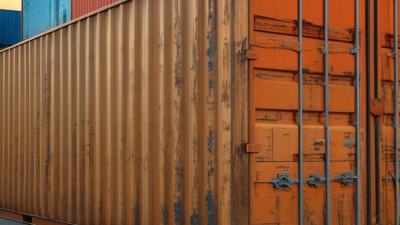
For used equipment, look for daylight through roof pinholes, soft plywood, bent locking bars, and fresh paint hiding repairs. Ask for clear photos and the container’s identification details before paying. Check the site for overhead wires, soft ground, and enough room for a delivery vehicle to unload. A low purchase price can become expensive if access is poor. I’d still leave some contingency; delivery estimates can be optimistic.
10 Tips for Buying a 40ft Shipping Container? — Define Your Use Case

Check container dimensions against your available space, access route, and storage needs before buying. Typical external dimensions are shown below; actual measurements can vary slightly by container and manufacturer.

Compare Standard and High-Cube Sizes: 12.192m Length and 2.591m/2.896m Height

A 40ft container has an external length of 12.192m, but its height depends on the type. Under ISO 668:2020, a standard unit is 2.591m high, while a high-cube unit is 2.896m. That extra 305mm can matter when loading tall cabinets, machinery, or stacked cartons. Measure your cargo, not just the doorway. The exterior size does not equal usable interior space.

High-cube containers offer more vertical clearance, but they do not add floor area. Interior dimensions vary with construction and repairs; check the supplier’s specification and inspect the actual unit.

Door openings are often lower than the interior ceiling, which can catch buyers off guard. A pallet may fit inside yet fail to pass through the doors. Annoying, but avoidable.

Before purchasing, compare the height against your delivery route, site access, and planned placement. Overhead cables, tree branches, and low entrances deserve a tape-measure check. Ask for the container’s external and internal dimensions, door-opening height, and payload details in writing. ISO 668 provides the standardized external dimensions; it does not guarantee every used container matches a buyer’s assumptions. I’d verify twice. A few millimeters can change the loading plan.

Verify Payload, Tare Weight, and Volume: Up to 26–28 Tonnes and 67m³

A 40ft container may offer about 67m³ of internal volume, but that figure is only a planning guide. Internal dimensions vary by model, wall thickness, and construction. Measure the usable floor length, door opening, and ceiling height before committing. A pallet that fits inside may still fail to pass through the doors. Check, too, whether insulation or interior fittings reduce the available space.

Payload, tare weight, and gross weight are different figures. Tare is the empty container’s weight; payload is the cargo it can carry. Some units may allow a payload near 26–28 tonnes, but this is not guaranteed.

Read the container’s rating plate and confirm its maximum gross weight, then subtract the tare weight. Allow for packaging, pallets, and handling equipment. Small details add up.

Ask for clear photos of the rating plate and inspect the floor and door seals in person, if possible. A worn unit can have a different tare weight than expected, especially after repairs. That part is easy to overlook. Compare the documented capacity with your cargo plan, and leave a sensible margin rather than loading to the limit. Weight distribution matters as well; concentrated loads can stress the floor even when the total weight appears acceptable. I would recheck the figures before arranging transport. A spreadsheet can be wrong, and so can a label.

Check CSC Compliance, Inspection Dates, and the 30-Month Examination Cycle

A 40ft container can look sound from the outside and still have a lapsed safety examination. Check the CSC safety approval plate before discussing delivery. It should be securely attached and readable, with its approval details and examination information visible. Photograph it. A blurry date can cause avoidable questions later.

Look closely at the examination date and the inspection scheme shown on the plate. Under periodic examination, containers are generally examined no later than five years after manufacture, then at intervals of no more than 30 months. Some containers use an approved continuous examination program instead, so the plate and supporting records matter. Do not assume every unit follows the same schedule. Ask for the latest inspection or examination record, and compare its container number with the number on the frame.

Then inspect the steel itself. Check corner castings, door hinges, locking bars, floor edges, and roof seams for impact damage, heavy corrosion, or repairs. Open and close both doors; feel for binding. A fresh coat of paint can hide clues, and a tidy plate does not prove the structure is sound. If dates conflict or records are missing, pause and ask a qualified inspector to verify the container before purchase. It may take extra time. Better than guessing.

10 Tips for Buying a 40ft Shipping Container? - Check CSC Compliance, Inspection Dates, and the 30-Month Examination Cycle

# What to Check Practical Buying Guidance Evidence to Request
1 Container size and type Confirm the unit is a standard 40-foot container or a 40-foot high-cube model. A standard unit is typically about 8 ft 6 in high; a high-cube unit is typically about 9 ft 6 in high. Verify the exact external and internal dimensions for your intended use. Specification sheet and photographs showing the container’s data plate and interior.
2 CSC safety approval For international transport, check that the Container Safety Convention (CSC) safety approval plate is present, legible, and applicable to the unit. Do not assume a plate alone proves the container is currently fit for a particular shipment. Clear, recent images of the CSC plate and confirmation that the recorded identification number matches the container.
3 Examination method and due date Check whether the container is managed under a periodic examination scheme or an approved continuous examination programme (ACEP). Under the periodic examination system, the first examination is due within five years of manufacture, with subsequent examinations at intervals not exceeding 30 months. Examination records, any applicable ACEP marking, and confirmation of the next examination due date.
4 Inspection and repair history Ask when the container was last inspected and whether structural damage, corrosion, or repairs were recorded. A recent inspection report helps assess condition but does not replace required CSC examinations. Dated inspection report, repair records, and photographs of repaired areas.
5 Frame, corner castings, and posts Inspect the top and bottom side rails, end frames, corner posts, and corner castings for cracks, severe distortion, or significant corrosion. Damage in these load-bearing parts can affect lifting and stacking safety. Close-up photographs of all four corners, end frames, and visible structural repairs.
6 Floor condition and capacity Check for soft spots, broken boards, contamination, and evidence of water damage. Confirm the floor and container payload suit the load; do not exceed the maximum gross mass or payload shown on the container’s markings. Interior floor photographs and a clear image of the rating plate showing maximum gross mass and tare mass.
7 Doors, seals, and weather resistance Open and close both doors, test the locking bars, and inspect hinges and gaskets. Look for daylight around the closed doors, water staining, or signs of leakage. A weather-resistant container is not automatically cargo-worthy for every purpose. Video or photographs of door operation, seals, and the interior after the doors are closed.
8 Corrosion and previous cargo use Distinguish surface rust from deep corrosion or perforation. Ask what the container carried previously, especially if it will store sensitive goods, and check for persistent odors, residue, or chemical contamination. Condition report, interior photographs, and available cleaning or prior-use records.
9 Identification and documentation Match the container identification number on the physical markings, CSC plate, inspection records, and purchase documents. Resolve any mismatch before completing the purchase. Photographs of the identification markings and copies of relevant ownership and compliance records.
10 Delivery, access, and total cost Confirm delivery access, unloading arrangements, ground conditions, and required lifting equipment. Compare the delivered price, transport charges, inspection needs, and any repair or cleaning costs. Written quotation specifying delivery, unloading responsibilities, condition, and any stated exclusions.

Reminder: CSC examination intervals and acceptance requirements depend on the applicable examination scheme and regulatory context. Verify current records and fitness for the intended use before loading or transporting the container.

Assess Condition, Delivery Costs, Modifications, and Total Ownership Value

A 40ft shipping container can look solid from the road and still hide costly problems. Inspect the roof from a safe position, check door alignment, and look for deep corrosion, soft flooring, or daylight through seams. Ask for recent photos of all sides and the interior. A few dents are normal; water stains or doors that bind deserve closer attention. I once underestimated a small floor repair. It was not so small.

Get delivery costs in writing before paying a deposit. The truck may need clear access, firm ground, and enough room to unload a container nearly 40 feet long. Ask whether the quote includes positioning, waiting time, or extra charges for difficult access. Measure gates and overhead obstacles yourself. A low purchase price can vanish quickly when the delivery site needs preparation.

Plan modifications before choosing a unit. Insulation, ventilation, extra doors, or electrical work can affect cost and usable space. Discuss the changes with a qualified professional, especially if the container will hold people or sensitive equipment. Compare the total ownership value, not just the sale price: repairs, transport, site preparation, upkeep, and future resale all matter. Keep a realistic contingency. Your first estimate may be wrong, and that is worth admitting early.

Get a Quote
910-483-7828