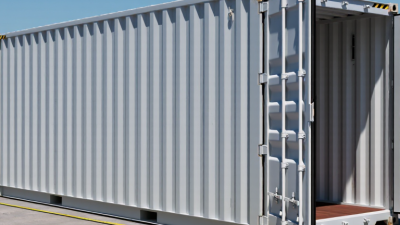
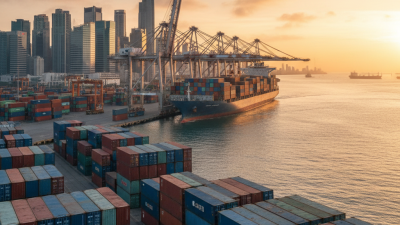
A 20ft container can look simple from the outside, but its design affects what it can carry, how it is handled, and whether it suits a buyer’s route. Standard dry containers serve many general cargo needs, while refrigerated, open-top, flat-rack, and tank designs address more specific loads. The differences are practical: a reefer needs a reliable power connection, and an open-top unit allows loading from above. Details matter.
This guide introduces 20ft container types for global buyers and explains the features worth checking before requesting a quote. It covers common uses, loading access, temperature control, and the limits of each design. Internal dimensions, door openings, payload ratings, and equipment condition can vary by manufacturer and unit. Check the actual specification sheet, not just a product label. A container that looks suitable in a listing may not fit a pallet, machine, or loading method as expected.
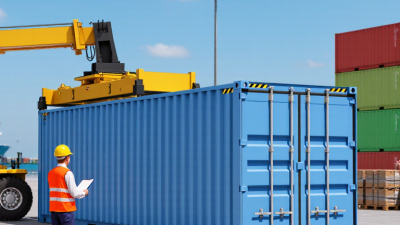
Choosing well also means considering the full journey. Confirm how the unit will be lifted, stored, transported, and connected, where relevant. Ask the supplier about inspection records and any modifications. No type is ideal for every shipment. That is easy to overlook. A careful comparison can help buyers narrow their options, ask clearer questions, and avoid paying for features they do not need.
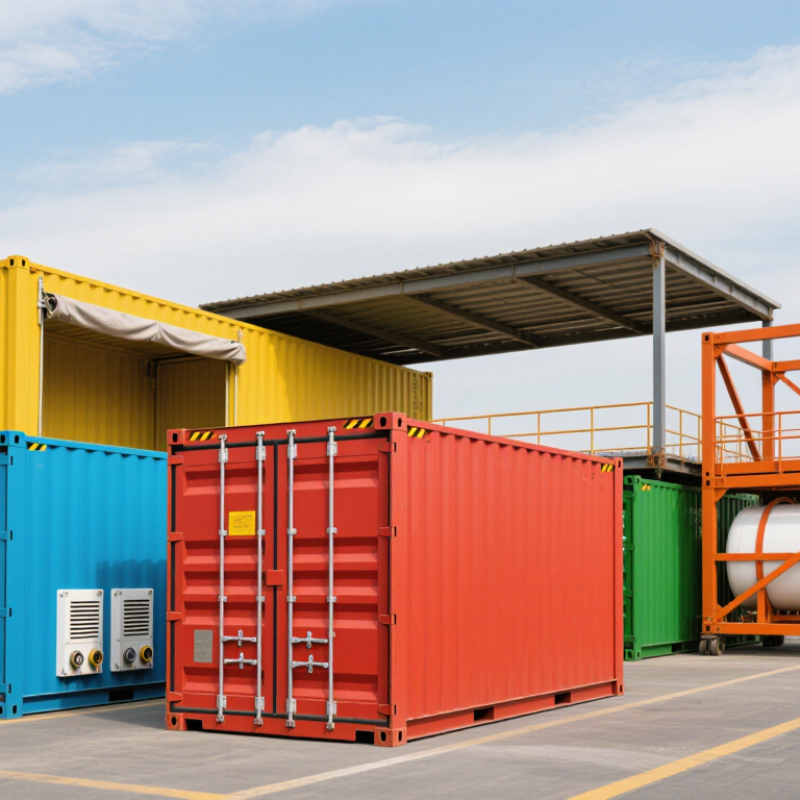
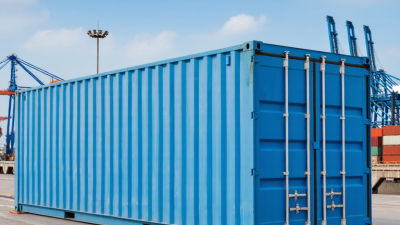
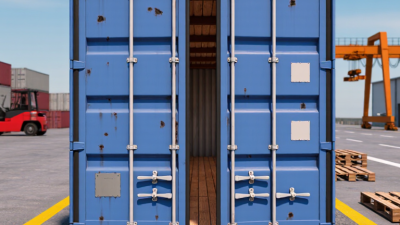
A 20-foot shipping container is not defined by length alone. ISO 668 sets standardized dimensions and ratings for Series 1 containers. A common general-purpose unit measures about 6.06 metres long, 2.44 metres wide, and 2.59 metres high externally. Its internal capacity is often around 33 cubic metres, but walls, corner posts, and door fittings reduce usable space. Small differences matter. Door opening height and floor condition can matter more than headline volume when loading pallets.
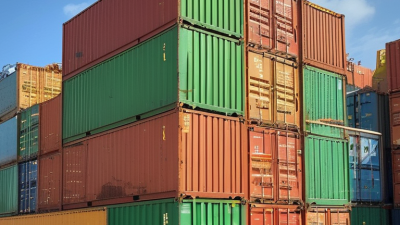
“20-foot” also anchors global capacity accounting: one TEU represents one 20-foot equivalent unit. UNCTAD’s Review of Maritime Transport 2024 reports global container-port throughput of about 858 million TEUs in 2023, up 2.4% year on year. A shared size standard helps terminals, vessels, and inland equipment plan handling. It does not mean every container is identical. Payload and gross-weight limits depend on the unit’s safety plate, tare weight, and design. Before booking, check internal dimensions, door clearance, maximum gross mass, and inspection status against the cargo. It is easy to trust the label too much; even a small mismatch can leave a pallet waiting at the dock.
A 20-foot container is identified by its nominal external length of 20 feet (6.096 m). Actual standard ISO external length is typically 6.058 m; dimensions, tare weight, and payload vary by design and manufacturer.
| Container type | Typical external dimensions (L × W × H) | Typical internal capacity or dimensions | Defining features | Common cargo or use |
|---|---|---|---|---|
| Standard dry | 6.058 × 2.438 × 2.591 m | About 5.90 × 2.35 × 2.39 m; approximately 33 m³ | Enclosed steel or aluminium unit with end doors; general-purpose configuration. | Packaged goods, machinery, furniture, and palletized cargo. |
| High-cube dry | 6.058 × 2.438 × 2.896 m | Typically about 37 m³; internal height is roughly 2.69 m | Approximately 305 mm taller than a standard-height unit; availability varies by market. | Lightweight, bulky goods that need extra interior height. |
| Refrigerated (reefer) | Typically 6.058 × 2.438 × 2.591 m | Interior space is reduced by insulation and refrigeration equipment; commonly around 28–30 m³ | Insulated walls and an integrated refrigeration unit; requires a power supply during operation. | Temperature-controlled food, pharmaceuticals, and other chilled or frozen goods. |
| Insulated | Usually based on standard 20-foot external dimensions | Interior capacity varies with insulation thickness and lining | Thermally insulated enclosure; unlike a reefer, it generally has no integral refrigeration unit. | Cargo needing protection from rapid temperature changes. |
| Open-top | Typically 6.058 × 2.438 × 2.591 m | Similar floor area to a standard dry unit; usable height depends on the cover and cargo arrangement | Removable roof bows and a tarpaulin or other cover allow top loading. | Tall or heavy cargo loaded by crane, including machinery and scrap. |
| Flat rack | Typically 6.058 m long; width and end-frame configuration vary | No enclosed internal volume; cargo rests on the platform | Heavy-duty floor with fixed or collapsible end walls; no side walls or roof. | Oversized or heavy cargo such as vehicles, equipment, and industrial components. |
| Platform | Typically 6.058 m long; exact dimensions depend on the design | Open loading platform; no enclosed capacity | Flat load-bearing base without end walls, side walls, or roof. | Very heavy or out-of-gauge cargo that cannot fit within a box container. |
| Tank container | 20-foot frame; approximately 6.058 m long and 2.438 m wide | Tank capacity commonly around 21,000–26,000 L, depending on tank design | Pressure vessel secured within a steel frame; specifications depend on the substance and service. | Bulk liquids, food-grade liquids, and certain gases or chemicals in suitable tanks. |
| Ventilated | Typically 6.058 × 2.438 × 2.591 m | Similar to a standard dry unit; vent placement and internal dimensions vary | Designed with ventilation openings to support air circulation while limiting direct water entry. | Cargo such as coffee beans or other goods requiring ventilation during transit. |
| Bulk | Typically based on 20-foot standard external dimensions | Capacity varies with the liner, loading method, and cargo density | Fitted with loading hatches and discharge arrangements; some designs use an internal liner. | Dry bulk commodities such as grain, seeds, or certain free-flowing materials. |
| Side-door | Usually standard 20-foot external dimensions | Interior capacity is broadly similar to a dry unit, with some variation from door design | Additional full or partial side access supplements the end doors. | Cargo needing easier side loading, unloading, or access at storage sites. |
Weight note: A container’s tare weight and maximum gross weight are marked on its safety approval plate. Payload is the maximum gross weight minus tare weight and must also comply with road, rail, and port limits. Confirm the specific unit’s plate and technical specification before booking.