A 20ft container remains a practical choice for many international shipments because it balances usable capacity with manageable handling. Its standard external length is about 6.06 metres, though internal dimensions and payload limits vary by unit. For exporters moving machinery, packaged goods, or a partial load, that scale can help avoid paying for space they do not need. A familiar size. Ports, terminals, and carriers commonly handle these containers across sea, rail, and road networks, making transfers between transport modes straightforward on many routes. That flexibility can reduce extra handling, but it does not guarantee a faster or cheaper shipment.
Choosing the right container takes more than comparing its length with a cargo list. Measure the largest items, account for pallets and securing materials, and check total weight against the container’s plate and the limits on the planned route. Ask the carrier or freight forwarder to confirm the specific unit’s dimensions and requirements before booking. Small details matter. A 20ft container may suit dense cargo that would leave a larger unit underused, while light, bulky goods may need more volume. I would not choose one by habit alone. The best fit depends on the shipment, handling plan, destination, and current freight rates. Careful checks make the decision more reliable—and help prevent avoidable surprises at loading.
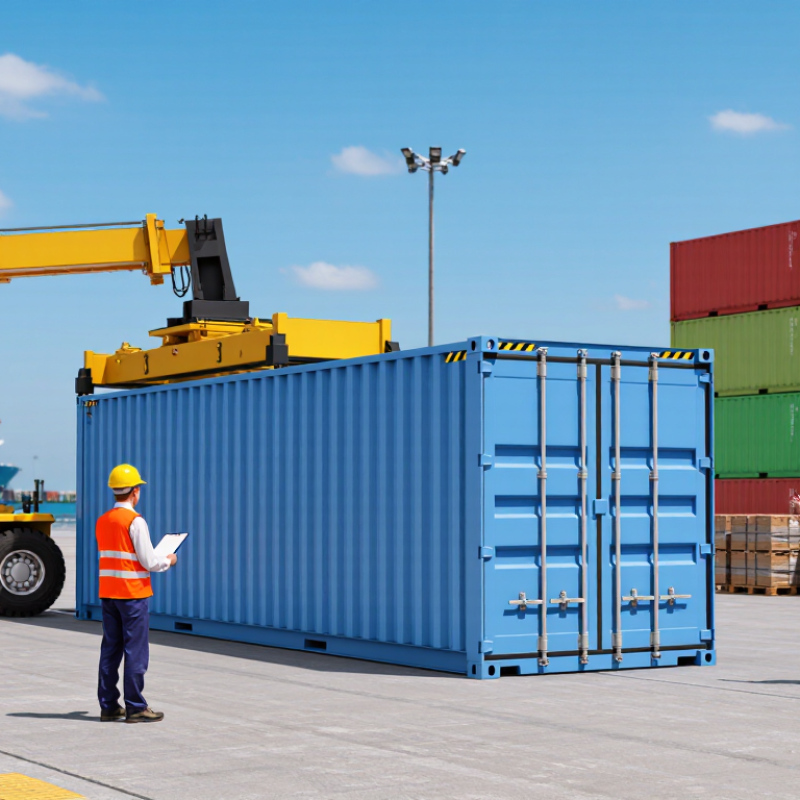
A 20ft shipping container is a reusable steel box built to carry cargo by ship, rail, and road. Under ISO 668, its standard external dimensions are about 6.06 metres long, 2.44 metres wide, and 2.59 metres high. Actual internal space is smaller because of the walls and corner fittings. A common dry container offers roughly 33 cubic metres of capacity, but specifications vary by model.
That is the basic shape. The practical details matter, too. A container’s payload limit depends on its tare weight and the rating shown on its data plate. Measure bulky items before loading: a pallet may fit neatly, while a protruding machine part can block the doorway. Weight distribution matters as well; cargo stacked heavily at one end can complicate handling. The 20ft size is often called one TEU, or twenty-foot equivalent unit, in shipping statistics.
UNCTAD’s Review of Maritime Transport 2024 reports global container-port throughput of about 858 million TEUs in 2023. That figure shows how widely the 20ft unit is used to describe container traffic. It does not mean every shipment travels in a 20ft box. Still, the standard size can make capacity comparisons easier.
One caution: published dimensions and usable capacity can differ slightly, so check the container’s actual specification before planning a load.
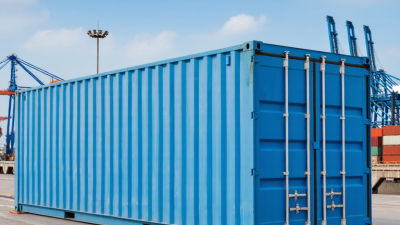
A standard 20ft dry container measures about 6.06m long, 2.44m wide, and 2.59m high externally. These are nominal dimensions, not usable loading space. ISO 668:2020 specifies the classification and external dimensions of standard freight containers. Inside, a typical unit offers roughly 5.9m by 2.35m by 2.39m, or about 33 cubic metres. Door frames, wall linings, and floor fittings reduce the space available. Every centimetre matters.
Payload is often around 28,000kg, while maximum gross mass can reach 30,480kg, depending on the container’s rating and tare weight. The CSC safety approval plate states the unit’s actual limits; check it before planning a heavy load. That figure can be misleading. Dense cargo may reach the weight limit while leaving much of the floor area empty. Bulky cartons can fill the volume first. UNCTAD’s Review of Maritime Transport describes container shipping as central to international trade, but a standard size does not guarantee identical capacity across units. Measure the actual container, confirm cargo dimensions, and allow room for safe handling. I would not plan a tight fit from nominal figures alone.
A 20ft container suits cargo that is compact, dense, or easy to stack. Its usable interior is roughly 33 cubic metres, though dimensions vary by container type and condition. Check the actual unit’s interior measurements and door opening before booking. Measure twice. Palletized cartons, bagged materials, canned goods, machine parts, tools, and small industrial equipment can use the space efficiently. Heavy items may reach the permitted payload before the container looks full.
For mixed shipments, separate lots can be easier to manage in one 20ft unit. Place secured equipment low and distribute weight across the floor; stack lighter cartons only when their packaging allows it. Furniture and household goods may fit, but irregular shapes leave awkward gaps. It can be frustrating. A few bulky pieces may use more room than expected. Account for pallet width, load height, door clearance, and space for bracing.
The best fit depends on both volume and gross weight, as well as route restrictions and available handling equipment. Ask a freight professional to confirm the container’s payload and tare weight from its identification plate. Protect moisture-sensitive goods and keep the load stable. A packing plan helps, but actual carton measurements can still change the layout.
A 20ft container is used when a shipment needs a standard, manageable space without filling a 40ft box. It commonly carries palletized cartons, machinery parts, furniture, or dense materials. A dry container offers roughly 33 cubic metres of internal volume, but the usable payload depends on its tare weight, cargo density, and route limits. Check the container’s rating plate and measure the cargo before loading. A compact box can still become overweight.
The 20ft format works across ship, rail, and road transfers, reducing the need to unpack goods at each change of transport. It is also the basic unit behind TEU, or twenty-foot equivalent unit. UNCTAD’s Review of Maritime Transport 2024 reports that ports handled 858.9 million TEU in 2023, showing the scale of containerized trade. UNCTAD also notes that shipping carries over 80% of world trade by volume. A 20ft unit can suit smaller orders or heavy cargo that reaches weight limits before using all available space. It is not always the neatest fit. Loose cargo may leave awkward gaps, so careful blocking and bracing matter; in practice, a little empty space is sometimes unavoidable.
What Factors Affect Its Suitability for a Shipment?
A 20ft container can suit compact, dense cargo when weight matters more than volume. ISO 668:2020 specifies dimensions for Series 1 freight containers; a common 20ft unit is about 6.06 metres long externally. Its typical internal volume is roughly 33 cubic metres, though door openings and usable space vary. UNCTAD’s Review of Maritime Transport 2023 reports that maritime transport carries over 80% of world trade by volume. But a widely used container is not right for every shipment.
Check cargo dimensions, gross weight, stackability, loading method, and destination handling equipment. Machinery may fit the floor area but exceed the payload limit. Cartons may fill the container’s length while leaving unused space above. Verify the specific unit’s tare and payload figures, then account for pallets, packing materials, and weight distribution. Route availability also matters: ports and inland depots may handle container sizes differently. A tidy calculation can still miss a tight warehouse turn.
Tips: Measure the narrowest doorway, not just the cargo. Confirm payload against the container’s rating plate and carrier specification. Leave room for safe loading and securing. It sounds obvious; it is often missed.