2026 Best 20ft Container for Global Buyers?

Choosing the best 20ft container for global buyers in 2026 requires more than comparing prices. Cargo type, port access, inland transport, and equipment condition can change the real cost. A standard dry container usually offers about 33 cubic metres of internal space. Its practical payload often approaches 28 tonnes, but local road limits and container specifications may reduce that figure. Check the data carefully.

UNCTAD’s Review of Maritime Transport 2024 reported that global seaborne trade increased by 2.4% in 2023. It also highlighted continuing pressure from rerouting, congestion, and higher operating costs. These conditions make reliable container selection more important. A low purchase price may look attractive, yet poor door seals, floor damage, or outdated CSC plates can create delays and unexpected repairs.

The World Bank’s Logistics Performance Index 2023 emphasizes reliability, shipment tracking, and timely delivery. These factors should guide every 20ft container decision. Buyers should verify ISO 668 dimensions, corner castings, locking bars, flooring, ventilation, and inspection records. A container moving between humid ports needs different attention than one serving a short inland route. Small details matter.

There is no universal winner.

The “best” model depends on the cargo and trade lane. Some buyers may need a new one-trip unit for cleaner presentation and fewer repairs. Others may prefer a certified used container because budget and availability matter more. That choice can be imperfect. This guide compares specifications, condition, compliance documents, total landed cost, and supplier reliability, helping global buyers make a more defensible 2026 decision.
2026 Best 20ft Container for Global Buyers?

What Is a 20ft Container and Why Does It Matter in 2026?

2026 Best 20ft Container for Global Buyers?

What Is a 20ft Container and Why Does It Matter in 2026?

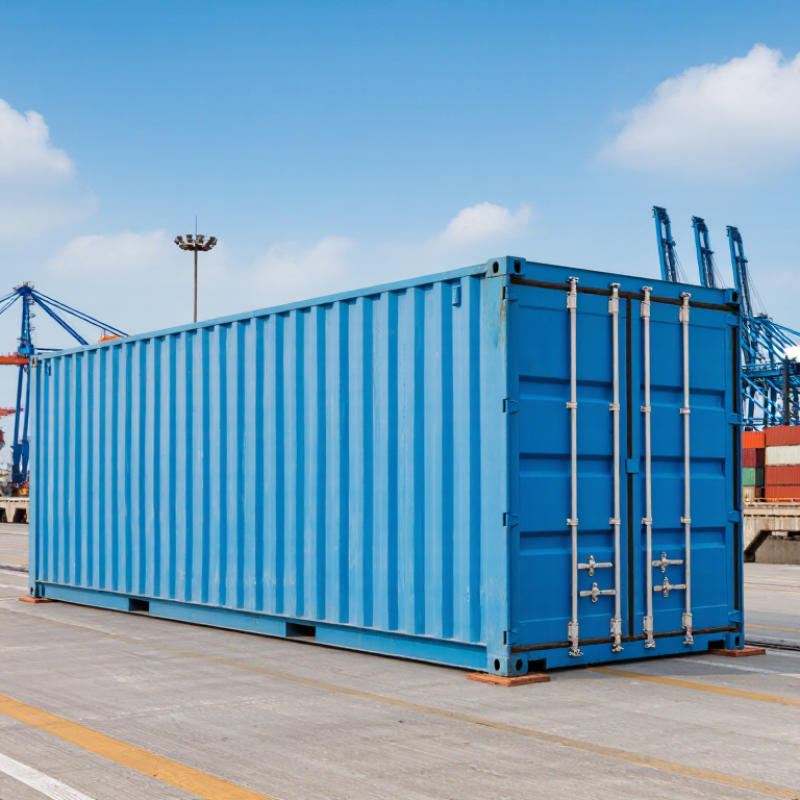
A 20ft container is the global standard for compact cargo movement. Under ISO 668, it measures about 6.06 meters long and 2.44 meters wide externally. Its internal volume is usually close to 33 cubic meters. One unit equals one TEU, or twenty-foot equivalent unit. UNCTAD’s Review of Maritime Transport 2024 states that shipping carries over 80% of global merchandise trade by volume. That makes container specifications commercially important, not merely technical. In 2026, buyers must consider cargo weight, route reliability, port equipment, and local delivery limits.

A 20ft unit often suits dense goods, machinery, packaged materials, and smaller export batches. It may reduce unused space compared with a 40ft unit. However, payload limits vary by tare weight, container condition, and local regulations. Check the CSC safety plate, floor strength, door seals, roof corrosion, and locking bars. A clean exterior can hide water damage. I have seen buyers focus on price first. That choice can become expensive later.

Tips: Measure every pallet, including wrapping. Leave practical clearance near the doors. Confirm the maximum gross weight before booking transport. Ask for current photos and inspection records. Compare the full landed cost, not only the container quotation. UNCTAD also highlights how disruptions and rerouting can affect maritime costs. A lower purchase price is not always the better decision.
Key Specifications and Types of 20ft Containers

A standard 20ft dry container usually measures 6.06m long, 2.44m wide, and 2.59m high externally. Its internal space is approximately 5.9m by 2.35m by 2.39m, offering about 33 cubic meters of volume. Tare weight often ranges from 2,200 to 2,400kg, while payload capacity may approach 28,000kg.

Actual limits depend on the container plate, road rules, and shipping route. Check the data plate, not only the seller’s online description.

Common types include standard dry, high-cube, refrigerated, open-top, and flat-rack containers. A high-cube model provides extra internal height, but 20ft availability can vary by market. Refrigerated units require electrical power and careful temperature monitoring. Open-top designs suit tall or crane-loaded cargo, while flat racks handle oversized machinery after securing plans are approved. Tank containers are intended for regulated liquid transport and require specialized certification.

Small details affect real performance.

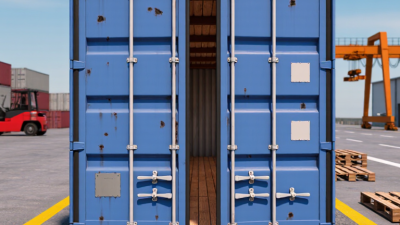
Inspect door seals, corner posts, floor boards, welds, and roof patches before purchase. A clean appearance can hide corrosion beneath the floor. I once found that a listed payload ignored local axle restrictions, making the apparent bargain less useful.

That is why buyers should compare ISO dimensions, CSC inspection status, tare weight, delivery location, and repair history. Some specifications remain estimates until a physical inspection is completed. Measure twice.

How to Compare Materials, Features, and Manufacturing Quality

For global buyers, the best 20ft container in 2026 is not simply the cheapest unit. It must match cargo weight, climate, handling frequency, and transport routes. UNCTAD’s Review of Maritime Transport 2024 reported that global maritime trade grew 2.4% in 2023, increasing pressure on reliable container availability. That growth makes material selection more important. Corten steel offers strong resistance to weathering, while standard mild steel usually needs better coating control. Inspect the roof, corner castings, door frame, and floor edges first. These areas often reveal poor manufacturing quality.

Look closely at the floor. A certified hardwood or composite floor should have even joints, firm fastening, and no soft spots. ISO 1496-1 provides the main structural performance requirements for freight containers, while ISO 668 defines key external dimensions. A compliant container should also carry valid safety approval under the applicable international container safety framework. Check weld continuity, paint thickness, drainage holes, gasket compression, and door alignment. Small gaps become large problems in humid ports. Rust tells stories. Ask for steel certificates, welding inspection records, coating specifications, and load-test evidence. Independent pre-shipment inspection is valuable, especially when buying remotely. I have seen attractive units fail because the underside was ignored. That mistake is easy to repeat. A stronger evaluation compares documented test results with the actual container, not only photographs. Consider ventilation, locking bars, timber treatment, and repair history before approving production. Perfect specifications rarely survive careless inspection.

Global Shipping Rules, Costs, and Supplier Selection Criteria

For 2026 global buyers, a 20ft container should be judged by compliance, lifecycle cost, and route suitability. UNCTAD’s Review of Maritime Transport 2024 reports that over 80% of world trade by volume moves by sea. This makes port access and documentation critical. Each unit should carry a valid CSC safety plate and a traceable inspection record. Shippers must also submit verified gross mass under the SOLAS convention. Local customs rules may require additional invoices, packing lists, or certificates.

The purchase price is only one line. Add inland transport, ocean freight, terminal handling, insurance, taxes, repairs, and possible demurrage. Drewry’s World Container Index showed sharp freight swings during 2024, proving that route timing can change the budget quickly. The World Bank’s Logistics Performance Index 2023 also shows major differences in customs efficiency and infrastructure between economies. Select suppliers that provide steel specifications, floor-load ratings, door tests, coating details, and repair histories. Request independent inspection before payment. A low quotation can hide weak flooring or expensive repositioning. I would not trust perfect-looking photographs alone.

Tips: Compare delivered cost, not factory price. Ask for recent production images and serial numbers. Check whether the supplier understands your destination port, unloading equipment, and local documentation. Leave a contingency allowance for delays and repairs. It feels conservative, but shipping plans often fail at the edges. Supplier responsiveness matters too. Slow answers today may become costly delays after loading. One practical detail is often missed: confirm internal dimensions against your pallet layout before ordering. Industry data guides decisions, but route-specific evidence remains stronger.

2026 Best 20ft Container for Global Buyers?

Global shipping rules, indicative costs, and supplier selection criteria

How to read this chart: The bands show indicative port-to-port ocean freight planning ranges for a standard 20ft dry container in USD. Actual prices vary with season, fuel surcharges, congestion, cargo weight, origin and destination ports, equipment availability, and Incoterms. Customs duties, inland transport, insurance, storage, demurrage, and destination handling are excluded.

Buyer checklist: Confirm ISO-compliant dimensions, maximum gross mass of 30,480 kg where applicable, CSC safety certification, verified tare weight, corrosion protection, door and floor condition, production lead time, inspection access, export documentation, and a clearly itemized quotation.

How to Choose the Best 20ft Container for Your Market

Choosing the best 20ft container starts with cargo, not price. ISO 668 sets the standard external length at 6.058 meters and width at 2.438 meters. Internal dimensions vary by manufacturer and design. Measure your pallets, doors, and loading equipment before ordering. A few centimeters can create daily handling problems.

UNCTAD’s Review of Maritime Transport 2024 reported container ship capacity growth of about 8% from mid-2023 to mid-2024. This indicates strong equipment availability, but quality still differs by market. Inspect the CSC plate, floor condition, door seals, corner castings, and roof patches. A sound container should close evenly, without daylight around the doors. Check the maximum gross mass carefully; the common ISO rating is 30,480 kilograms, but road limits may be lower locally.

Climate also matters. Coastal buyers should prioritize corrosion-resistant steel and intact paint systems. Tropical markets may need ventilation, while cold regions require careful seal inspection. Ask for inspection photos, production year, repair history, and moisture-control options. Do not rely on catalog dimensions alone. They are useful, but incomplete. I have seen buyers choose cheaper units, then pay more for floor repairs and rejected deliveries. A better comparison includes freight, customs handling, inland transport, repairs, and expected service life. The cheapest quote may be the least economical choice.

2026 Best 20ft Container for Global Buyers? – How to Choose the Best 20ft Container for Your Market

A practical comparison of standard and specialized 20ft container options for international cargo planning

Container Type Best-Fit Market or Cargo Typical External Dimensions Typical Internal Capacity Typical Maximum Gross Mass Key Advantages Main Selection Consideration Overall Suitability
Standard Dry 20ft General merchandise, packaged goods, machinery, furniture, and retail cargo Length: 6.06 m
Width: 2.44 m
Height: 2.59 m
Approximately 33 m³ internal volume
Door opening: about 2.34 m wide × 2.28 m high
Usually up to 30,480 kg, subject to the container’s CSC plate and transport regulations Widely accepted at seaports, rail terminals, and road networks; generally the easiest option to book and handle Check cargo weight distribution, door clearance, and local road weight limits Best all-round choice
20ft High-Cube Lightweight, bulky cargo such as insulation, packaging materials, furniture, and consumer products Length: 6.06 m
Width: 2.44 m
Height: 2.90 m
Approximately 37 m³ internal volume
About 30 cm more external height than a standard unit
Commonly up to 30,480 kg, subject to the container’s CSC plate Provides additional vertical space and volume without increasing the floor footprint Availability can be lower than standard 20ft units; verify terminal, chassis, and route height limits
20ft Reefer Frozen food, fresh produce, pharmaceuticals, chemicals, and temperature-sensitive products Length: about 6.06 m
Width: about 2.44 m
Height: about 2.59 m
Approximately 28–30 m³ internal volume
Capacity varies according to refrigeration equipment and insulation
Often lower usable payload than a dry container; confirm the unit’s rating and carrier limits Maintains a controlled temperature range during transport when correctly powered and monitored Requires electrical power, pre-trip inspection, temperature monitoring, and compatible handling facilities
20ft Open-Top Mining products, scrap metal, timber, stone, industrial equipment, and cargo loaded by crane Length: about 6.06 m
Width: about 2.44 m
Height: about 2.59 m
Approximately 32–33 m³, depending on the removable roof design Frequently rated up to about 30,480 kg, subject to the CSC plate and cargo securing rules Allows top loading and can accommodate cargo that is too tall for standard door loading Tarpaulin protection, lashing, height restrictions, and special handling may increase total cost
20ft Flat Rack Heavy machinery, construction equipment, vehicles, steel products, and out-of-gauge cargo Length: about 6.06 m
Width: about 2.44 m
Height: varies by design
No enclosed internal volume; usable loading area is approximately 5.6–5.9 m long and 2.2–2.4 m wide Varies substantially by design and tare weight; verify the specific unit rating before booking Supports wide, tall, or heavy cargo that cannot be packed into an enclosed container Usually requires special booking, engineered lashing, route planning, and possible out-of-gauge charges Best for project and heavy-lift cargo
20ft Tank Container Bulk liquids, food-grade liquids, gases, and regulated chemical products Frame footprint: approximately 6.06 m × 2.44 m
Height varies by tank specification
Common capacities range from approximately 14,000 to 26,000 litres Depends on tank design, liquid density, and applicable dangerous-goods regulations Efficient for bulk liquid transport and can reduce the need for drums or intermediate packaging Product compatibility, cleaning standards, pressure rating, loading temperature, and regulatory approval are essential
20ft Ventilated Container Coffee, cocoa, agricultural products, timber, and cargo requiring passive air exchange Generally similar to a standard 20ft container
Exact dimensions depend on the ventilation configuration
Approximately 30–33 m³, depending on internal lining and ventilation fittings Confirm the container’s CSC plate and the shipping line’s payload limit Helps reduce condensation and supports airflow for suitable non-refrigerated cargo Ventilation does not provide temperature control; moisture-sensitive cargo still needs proper packaging Best for naturally ventilated commodities
20ft Insulated Container Short-term protection for heat-sensitive goods, food products, and temperature-sensitive materials without active refrigeration Usually similar to a standard 20ft external footprint
Internal dimensions are reduced by insulation panels
Typically below 33 m³ because of insulated walls and ceiling Varies by construction and certified container rating Slows heat transfer and can provide more stable conditions than a conventional dry container Does not actively cool cargo; suitability depends on transit time, ambient conditions, and thermal packaging Best for passive temperature protection

Note: Dimensions, payload, volume, and gross-mass figures are typical industry ranges rather than universal specifications. Always verify the container’s CSC safety plate, tare weight, carrier acceptance rules, cargo type, destination regulations, and road-weight limits before purchase or shipment.

Get a Quote
910-483-7828