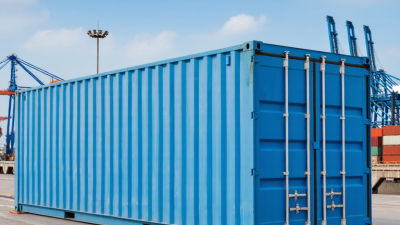
How to Choose the Right 20 ft Shipping Container

Choosing a 20 ft shipping container is not just a matter of comparing prices. The right unit must fit your cargo, site, access route, and intended use. A standard 20-foot model offers about 1,170 cubic feet of internal space, but usable capacity varies by manufacturer and container condition. Check the specification plate and request current measurements before planning a tight load.

Container specialist Alex Morgan sums up the decision this way: “Measure the cargo and the site before you choose by price.” That is a practical rule, not a substitute for checking the unit itself. Look for clear door openings, sound floorboards, working door seals, and visible signs of corrosion or repair. A tape measure can catch a mismatch that a product photo will not.

Details matter. Think about how the container will arrive, where a delivery truck can stop, and whether doors can open fully after placement. A unit that fits on paper may be awkward beside a fence or beneath low branches. Decide whether you need a one-trip container, a used unit, or a modified option, then compare condition and delivery costs alongside the purchase price. Ask for recent photos and written dimensions; be cautious if either is missing. Some choices still involve trade-offs. A lower price may mean more wear, while a newer unit may exceed your needs. This guide explains what to inspect, which measurements matter, and how to match a 20 ft shipping container to your actual requirements.
How to Choose the Right 20 ft Shipping Container

Understand the Standard Dimensions and Capacity of a 20 ft Container

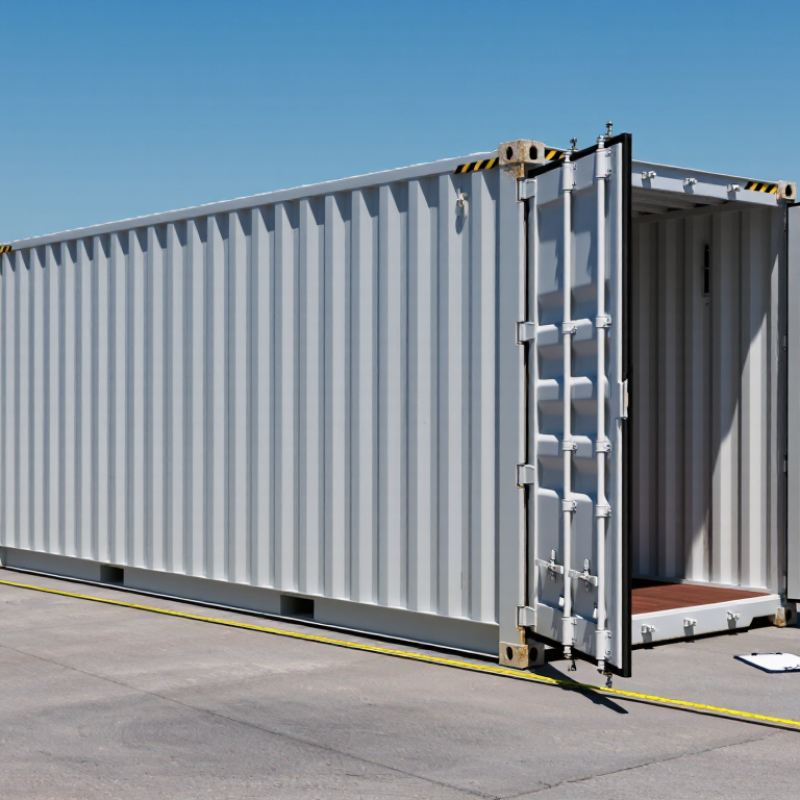
A standard 20 ft shipping container measures about 20 feet long, 8 feet wide, and 8 feet 6 inches high externally. Those are outside dimensions, not usable room. Inside, a typical unit offers roughly 19 feet 4 inches of length, 7 feet 8 inches of width, and 7 feet 10 inches of height. Exact measurements vary with construction and condition, so check the unit’s specification plate before planning a tight fit.

That gives approximately 1,170 cubic feet of interior capacity, or about 33 cubic metres. It sounds spacious. Yet door openings are narrower and lower than the interior, often around 7 feet 8 inches wide and 7 feet 5 inches high. Measure bulky items at their widest points, including handles or packaging. A sofa that fits inside may still refuse to pass through the doors.

Weight matters as much as volume. A standard container may have a payload near 28,000 kilograms, but the exact limit depends on its tare weight and rated gross weight. Check both figures on the container, and include the weight of pallets, equipment, and cargo. I would leave some margin rather than plan right up to the limit; estimates can be imperfect, especially when loads are uneven. For storage, also inspect the floor, doors, and seals, since usable capacity is less helpful if moisture or damage threatens the contents.
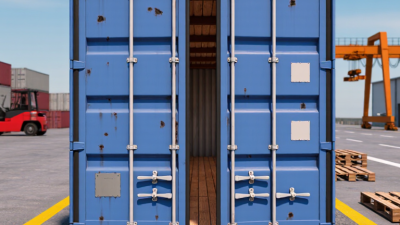
Define Your Intended Use, Cargo Needs, and Site Requirements

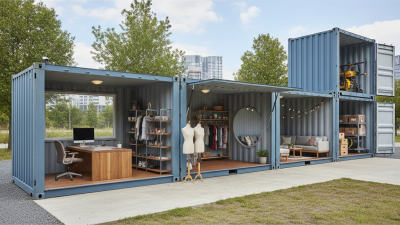
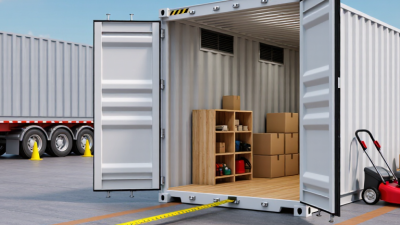
A 20 ft shipping container can serve as storage, a compact workshop, or a space for moving equipment. Decide which job matters most before comparing units. A container used for boxed goods may need a dry, sealed interior; tools used daily may call for lighting, ventilation, and shelving. Write down your largest items and measure them, including handles or pallet overhang. Check the door opening, not just the advertised exterior size. Interior dimensions and payload limits vary by model and condition, so verify the specification plate and seller’s measurements. Small details matter.

Then assess the site where the container will sit. Measure the available footprint, overhead clearance, and the delivery truck’s approach and turning space. A level, firm surface helps doors operate smoothly and reduces uneven loading. Allow room to open the doors fully and move cargo safely. Check drainage after rain; standing water beside the container can become a nuisance. If the unit will be modified or used by people for extended periods, confirm relevant local requirements before purchase. Plans do change. I would measure the access route twice, even if the pad looks generous, and leave more clearance than seems necessary.

How to Choose the Right 20 ft Shipping Container - Define Your Intended Use, Cargo Needs, and Site Requirements
Planning Dimension Typical Data or Requirement How to Use It When Choosing
Intended use Common uses include general cargo transport, dry storage, and temporary on-site storage. Choose a standard dry container for ordinary goods that do not require temperature control. Confirm that the container’s condition and approved use suit your purpose.
External dimensions Approximately 20 ft long × 8 ft wide × 8 ft 6 in high (6.06 × 2.44 × 2.59 m). Allow for the container’s full exterior footprint, not just the space available inside. Dimensions can vary slightly between units.
Internal dimensions Typically about 19 ft 4 in long × 7 ft 9 in wide × 7 ft 10 in high (5.90 × 2.35 × 2.39 m). Compare the usable interior space with the largest individual item and the planned loading arrangement. Check the specific unit before purchase or loading.
Door opening Typically about 7 ft 8 in wide × 7 ft 6 in high (2.34 × 2.28 m). Check that every item can pass through the door, including packaging and handling equipment. The opening is smaller than the interior width and height.
Internal volume Approximately 1,170 cu ft (33.2 m³) for a typical standard 20 ft dry container. Use volume as an initial estimate only. Irregular cargo, packaging, bracing, and access space can reduce the amount of usable capacity.
Payload and gross weight Many standard units have a maximum gross weight near 30,480 kg (67,200 lb); payload is commonly around 28,000 kg (61,700 lb), depending on the container’s tare weight and rating. Read the container’s safety approval plate and weight markings. Keep the combined cargo and packing materials within the stated payload and gross-weight limits.
Cargo weight distribution Weight should be distributed evenly and secured against movement; concentrated loads can exceed floor or transport limits. Plan loading and blocking before delivery. Check the floor condition and consult a qualified transport or loading professional for heavy or concentrated loads.
Cargo protection A standard dry container is enclosed but is not temperature-controlled. Condition, seals, ventilation, and cargo packaging affect protection. Inspect for holes, corrosion, damaged door seals, and water ingress. Sensitive goods may need additional packaging or a different container type.
Site footprint and ground The container’s exterior footprint is about 160 sq ft (14.9 m²). The supporting surface should be firm, level, and able to bear the loaded weight. Prepare a stable, well-drained site with suitable supports under the container’s corner castings. Avoid soft or uneven ground that could cause settlement or door misalignment.
Delivery and access Required approach space and overhead clearance depend on the delivery vehicle, unloading method, route, and site obstacles. Confirm access, turning space, overhead obstructions, and the unloading plan with the delivery provider before ordering. Check local access rules where applicable.
Final verification Actual dimensions, tare weight, payload, condition, and door clearances can vary by unit. Request the specifications and inspection details for the exact container being supplied, and verify that they match your cargo and site plan.

Compare Container Types, Materials, and Condition Grades

A 20-foot dry container suits most storage and general freight needs. It has solid walls and a standard double-door end. For tall equipment, compare a high-cube model, but confirm its interior height and door clearance before buying. Refrigerated and open-top units serve more specialized needs. Their extra equipment or removable covers can mean higher costs and more maintenance.

Most units use weathering steel, often called Corten steel, with a plywood or composite floor. Look closely at roof seams, door hinges, and lower corner areas. Rust staining is common, but soft floor spots, deep holes, or doors that bind deserve closer inspection. Condition labels are not universal. “Cargo-worthy” generally indicates suitability for transport, while “wind and watertight” focuses on keeping weather out. Ask for dated photos and a written inspection report; labels alone can leave questions.

Tips: Check the floor. Walk across it and listen for soft or hollow spots. Open both doors, inspect the seals, and look for daylight through panels. A clean repaint can hide repairs, so ask what was fixed. I would still want an in-person inspection when the unit will hold valuable equipment.

Check Safety Standards, Modifications, and Delivery Access

A 20 ft container is nominally 6.058 m long and 2.438 m wide, according to ISO 668:2020. Measure the actual unit, too; repairs and added fittings can affect usable space. Before buying, check its CSC safety approval plate and confirm the inspection or approved continuous examination status. The plate records key limits, including maximum gross mass. Don’t rely on a seller’s general description. Small details matter.

Modifications need the same care. A side door, window, or ventilation grille may be useful, but cutting near corner posts or structural rails can weaken the container. Ask for drawings and a qualified structural review before approving major cuts. The IMO/ILO/UNECE Code of Practice for Packing of Cargo Transport Units emphasizes safe packing and cargo restraint. Its guidance is relevant even when a container is being adapted for storage. A neat-looking alteration is not proof of strength.

Delivery access is easy to underestimate. Check the truck’s required turning space, overhead clearance, ground firmness, and room for unloading or crane operation. Give the supplier photos and measurements of narrow gates, low branches, and sloped driveways. Confirm the loaded vehicle’s dimensions and placement method in advance; requirements vary by equipment. A few centimetres can matter. I’d recheck the route after measuring—it’s an unglamorous step, but one people can rush.

Assess Total Costs and Verify the Supplier Before Purchase

A 20-foot container may look affordable until delivery and site preparation are added. Compare the full cost, not just the listed price. Ask for separate figures for the unit, transport, unloading, and any placement equipment. Check whether the truck can reach your site and whether the ground is level and firm. Local placement requirements can vary, so verify them before arranging delivery. For a used unit, condition matters: small rust patches are different from weakened panels or a leaking roof.

Request a written quote that identifies the container’s condition, delivery terms, and any warranty. Ask for current photos of the actual unit, including the roof, floor, door seals, and locking bars. A supplier should explain how delivery works and what happens if access is difficult. Check its business details and look for independent customer feedback. A polished listing is not proof. Estimates can still miss details, so leave room in your budget for site adjustments.

Tips: Confirm all fees in writing. Measure the access route. Ask questions before paying. If an answer feels vague, pause and compare another quote.

Get a Quote
910-483-7828