20ft Container Best Options for Global Buyers in 2026?
In the evolving landscape of global trade, the "20ft container" emerges as a vital asset for shippers and buyers. This versatile unit serves numerous industries, making it a staple in international shipping. With the market projected to grow in 2026, understanding the best options for these containers becomes essential.
Various factors influence the choice of a 20ft container, including durability, cost, and availability. Buyers need to consider their specific needs carefully. While some might prefer used containers for budget reasons, others may require new ones for enhanced reliability. Additionally, geographical differences create challenges in sourcing the best deals.
In examining the opportunities for global buyers, one must reflect on recent trends and anticipate future needs. There is often a gap between demand and quality. Not every container on the market meets safety standards or buyer expectations. As the market evolves, making informed decisions regarding the 20ft container will be crucial for success. Evaluating options will lead to better purchasing strategies for 2026.
Types of 20ft Containers Available for Global Buyers in 2026
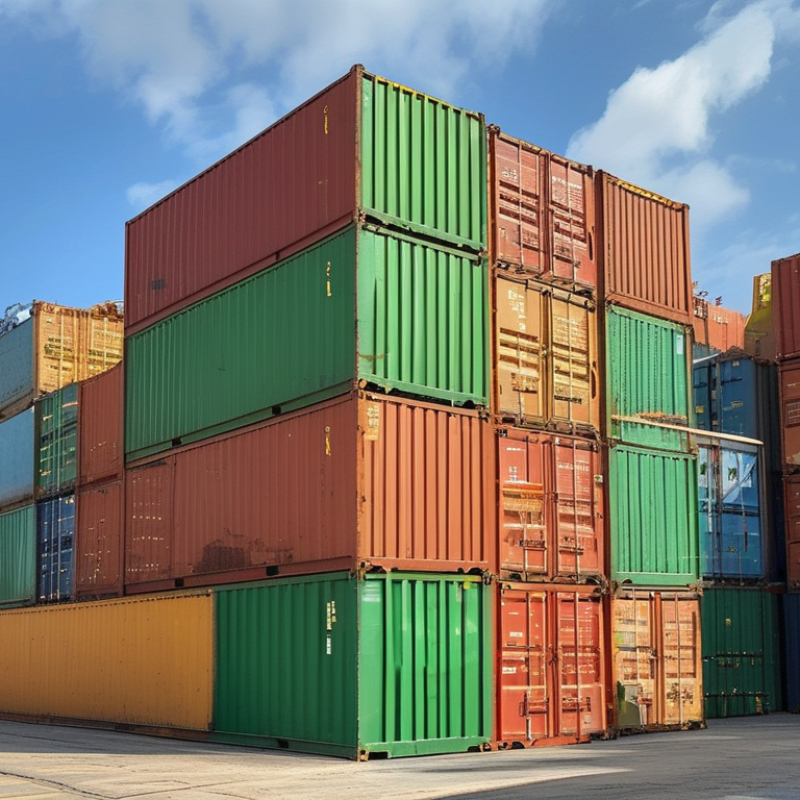
When choosing a 20ft container, buyers will find various types available in 2026. Standard dry containers are the most common choice. They offer a robust solution for general cargo. These containers are available in different conditions, ranging from new to used. Their sizes and durability make them suitable for multiple logistics needs.
Reefer containers are ideal for transporting perishable goods. They maintain a specific temperature throughout the journey. This type of container is crucial for food businesses and pharmaceutical shipping. Investing in reefer containers has its challenges. Proper maintenance is essential to ensure functionality and reliability.
Buyers should consider special containers as well. High cube containers provide extra height for bulkier items. Open top containers allow for easy loading of tall cargo. The diversity in types means that there is a suitable option for various shipping needs. When selecting a container type, think about the cargo's specific requirements. Always check the container condition and documentation before finalizing a deal.
Factors Influencing the Selection of 20ft Containers in 2026
The selection of 20ft containers in 2026 hinges on several key factors. Buyers should consider the materials used in container construction. Steel containers are durable but heavy. Alternatives like aluminum or composite materials provide lighter options. Each choice affects shipping costs and durability. For instance, lighter containers can reduce overall freight fees, a critical point to evaluate.
Another factor is the container's condition—new versus used. New containers offer reliability but come at a higher price. Used containers can present a cost-effective solution but might require minor repairs. Buyers must weigh the risk of potential hidden damages against cost savings. Regular inspections of used containers are essential to ensure they meet quality standards.
Buyers also need to contemplate their specific transportation needs. Containers designed for particular cargo types, such as refrigerated or open-top, are useful for specialized shipments. The choice affects climate control and loading processes. Not all containers fit every purpose, so careful consideration is necessary. Understanding the logistics at play ensures informed decisions when purchasing 20ft containers.
Top Manufacturers of 20ft Containers for Global Markets in 2026
The global demand for 20ft containers is expected to expand significantly by 2026. Current reports indicate that the demand may rise by approximately 10% annually. Top manufacturers are preparing to meet this surge. Efficient production lines and advanced shipping logistics are critical factors. Companies are increasingly focusing on sustainability and innovation in design.
Reports from industry experts indicate that leading manufacturers are boosting production capacities. Those with a solid reputation for reliability and quality tend to dominate the market. As per recent data, around 70% of the global container manufacturing market is held by just a few key players. This concentration can present challenges for new entrants. Long-standing players benefit from established relationships and economies of scale. In this competitive landscape, even minor design flaws or production delays can have significant consequences.
Moreover, global supply chain disruptions from recent years have led to heightened scrutiny on container quality. Customers are looking for manufacturers who can provide not only durability but also compliance with international standards. This shift signifies that buyers are willing to invest more for top-tier containers. Understanding this balance is essential for buyers aiming for long-term returns. With evolving market needs, innovation remains a critical focus for manufacturers. However, the reliance on traditional practices may hinder adaptability.
20ft Container Options for Global Buyers in 2026
| Manufacturer Region |
Annual Production Capacity |
Container Type |
Average Price (USD) |
Market Share (%) |
| Asia |
150,000 units |
Standard |
2,000 |
40% |
| Europe |
100,000 units |
Reefer |
2,500 |
30% |
| North America |
80,000 units |
High Cube |
2,300 |
20% |
| Africa |
50,000 units |
Standard |
1,800 |
5% |
| South America |
30,000 units |
Modified |
2,100 |
5% |
Sustainability Considerations for 20ft Containers in 2026
Sustainability is increasingly vital for global buyers of 20ft containers in 2026. With shipping containers generating significant environmental impacts, the focus has shifted towards eco-friendly materials and production processes. Industry reports show that around 30% of carbon emissions in logistics stem from container transport. Manufacturers are exploring recycled materials and energy-efficient methods to produce containers. This shift is essential for meeting sustainable development goals.
The concept of the circular economy is getting traction in container shipping. Many companies are now redesigning containers to extend their lifespan. Using durable, recyclable materials can reduce waste. According to recent studies, about 70% of shipping companies consider sustainability in their decision-making processes. However, challenges persist. Not all buyers prioritize eco-friendly options due to cost implications.
Furthermore, advancements in technology offer innovative solutions for sustainability. Digital systems can track container usage and optimize logistics. Reports indicate that smart containers can reduce operational costs by 20%. However, the adoption of these technologies is uneven across the industry. Smaller companies may struggle to implement such changes due to budget constraints. This situation calls for greater collaboration among stakeholders to enhance sustainable practices in the shipping container market.
Sustainability Considerations for 20ft Containers in 2026
Cost Analysis of 20ft Containers: Budgeting for Global Buyers in 2026
When considering the cost of 20ft containers in 2026, buyers must analyze various factors. Market demand will influence pricing. Shipping costs, maintenance, and availability play significant roles. Understanding these elements is crucial for sound budgeting. Potential buyers should consider fluctuations in global trade policies. These can create unexpected expenses that affect the final price.
Budgeting for a 20ft container requires a thorough cost analysis. Don't forget to factor in additional costs like customs fees and insurance. Set aside a contingency fund to cover unforeseen expenses. This will cushion against financial surprises. Carefully evaluating all expenses ensures a more accurate budget.
For buyers looking to save, purchasing used containers can be a viable option. Thoroughly inspect the containers for structural integrity. Assess whether any repairs are needed before finalizing the purchase. This approach can lead to significant savings but requires diligence. Evaluate the condition of each container carefully.