How to Choose a 20 ft Cargo Container in 2026?

Choosing a 20 ft cargo container in 2026 requires more than comparing online prices. The right unit must fit your cargo, site, handling equipment, and expected service life. A standard container usually offers a practical balance between capacity, availability, and transport flexibility. However, “standard” does not mean identical. Manufacturing year, steel condition, floor strength, door seals, and repair history can vary significantly. A used unit may show surface rust, dents, or patched panels. Those marks deserve careful review. Measure the external footprint and internal clearance before ordering. Then compare these figures with pallets, shelving, forklifts, and access roads. A container that fits the cargo may still fail at the delivery point. Small details matter.

This guide uses field-tested inspection habits and manufacturer documentation to explain the main buying decisions. It covers cargo type, ventilation, insulation, flooring, security, lifting points, and delivery planning. For international transport, verify current certification plates and inspection records with a qualified supplier. Requirements can differ by carrier, route, and intended use. Ask for clear photographs, serial details, dimensions, and written condition reports. Do not rely on a polished listing alone. If you need storage, a wind-and-watertight grade may be sufficient. If you need repeated shipping, stronger structural and certification checks become essential. Budget for crane access, ground preparation, locks, and possible repairs. These costs are easy to overlook. A cheaper container is not always cheaper overall. No checklist is perfect. My own preference is to inspect critical points twice, especially door alignment and floor damage. That extra pause can prevent an expensive delivery problem.
How to Choose a 20 ft Cargo Container in 2026?

Define Your 20 ft Cargo Container’s Intended Use

Choosing a 20-foot cargo container in 2026 should begin with its intended use, not its paint or advertised price. A container for palletized machinery needs different planning from one used for household storage. Write down the cargo’s dimensions, weight, handling method, and expected storage period. Measure twice.

If a forklift will load pallets, confirm pocket access and floor capacity before ordering. Standard internal space is roughly 19 feet 4 inches long. It is about 7 feet 8 inches wide and 7 feet 10 inches high, though designs vary. Payload changes with the container’s condition and specification. Ask for verified measurements and inspection records instead of trusting a sales photo. For moisture-sensitive goods, inspect door seals, roof seams, and floor condition. Small leaks become expensive surprises. Ventilation may matter when temperature changes create condensation during long storage. For workshop use, consider lighting, insulation, electrical planning, and safe access. These additions can reduce usable space.

Think about the site as carefully as the cargo. A loaded unit needs a firm, level surface and enough clearance for delivery equipment. Leave room for the doors to open fully. Check whether they face a wall, slope, or traffic route. In one project, I underestimated turning space. The container fit, but delivery became awkward and delayed. That mistake changed my checklist. Inspect corrosion, corner posts, locking rods, and floor damage before acceptance. For frequent loading, choose wide-opening access if available. Extra doors can affect security and weather resistance. Request clear condition grades, photographs, and repair records. Photos may not reveal every flaw, so inspect in person when the cargo is valuable.
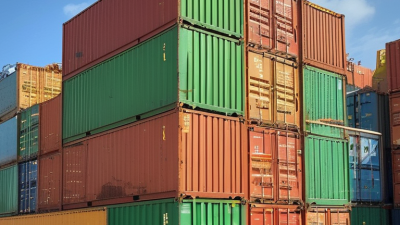
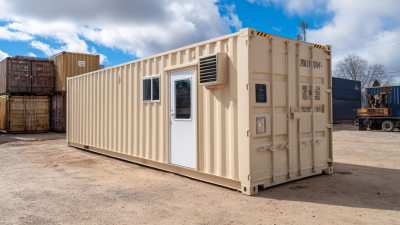
Compare Container Types, Grades, and Condition Levels

How to Choose a 20 ft Cargo Container in 2026?

Compare Container Types, Grades, and Condition Levels

A standard 20 ft dry container suits general cargo, boxed goods, and workshop storage. ISO 668 sets typical external dimensions at 6.06 meters long and 2.44 meters wide. Internal space is usually close to 33 cubic meters. A high-cube option offers more height, but 20 ft high-cube units are less common. Confirm dimensions before planning shelving or pallets.

Condition matters more than paint. New one-trip units usually have cleaner floors, tighter doors, and fewer repairs. Cargo-worthy containers meet transport requirements, but may show dents, patched panels, or surface rust. Wind-and-watertight units protect contents from rain, yet might not qualify for international shipping. “As-is” units cost less. They also demand careful inspection.

UNCTAD’s Review of Maritime Transport 2024 recorded about 12.3 billion tons of seaborne trade in 2023. That scale increases equipment turnover and creates wide condition differences between depots. Check the CSC safety plate, door seals, locking bars, roof, floor, and corner posts. Look underneath, too. A clean exterior can hide floor damage. I once underestimated ventilation needs in a dry unit; condensation later became a practical problem. Ask for recent inspection photos, repair records, internal measurements, and the container’s payload rating. Labels are not perfectly consistent. Judge the evidence, not the grade alone.

How to Choose a 20 ft Cargo Container in 2026? - Compare Container Types, Grades, and Condition Levels

Container Type Typical External Dimensions
(L × W × H)
Typical Internal Dimensions
(L × W × H)
Typical Capacity / Payload Best For Important Selection Checks
20 ft General Purpose (Standard Dry) 6,058 × 2,438 × 2,591 mm
20 ft × 8 ft × 8 ft 6 in
5,898 × 2,352 × 2,393 mm
Approx. door height: 2,280 mm
Approx. 33.1 m³ internal volume
Maximum gross mass commonly up to 30,480 kg; payload depends on tare weight
Palletized cargo, machinery, furniture, packaged goods, and general dry freight Confirm door clearance, floor condition, roof leaks, door-gasket sealing, and valid safety certification where required
20 ft High Cube 6,058 × 2,438 × 2,896 mm
20 ft × 8 ft × 9 ft 6 in
Approx. 5,898 × 2,352 × 2,698 mm Approx. 37.4 m³ internal volume
Payload is generally similar to a standard 20 ft unit, subject to tare and gross-weight limits
Tall equipment, lightweight bulky cargo, storage requiring extra vertical clearance Check local transport height restrictions, lifting clearance, and whether the extra volume is more valuable than standard availability
20 ft Open Top Approximately 6,058 × 2,438 × 2,591 mm Internal dimensions are similar to a standard dry unit; removable roof structure or tarpaulin provides top access Usually close to standard dry-container volume; payload depends on tare and structural rating Heavy, oversized, or top-loaded cargo such as stone, scrap, timber, and industrial equipment Inspect roof bows, tarpaulin, top rails, lashing points, door operation, and cargo height above the side rails
20 ft Open Side Approximately 6,058 × 2,438 × 2,591 mm Approximately 5,898 × 2,352 × 2,393 mm, with a large side-opening arrangement Volume is generally similar to a standard dry unit; payload varies by construction and tare Long, wide, or difficult-to-load goods requiring forklift or side access Check side-door seals, locking bars, posts, floor strength, loading width, and protection from rain during side loading
20 ft Refrigerated (Insulated) Approximately 6,058 × 2,438 × 2,591 mm Often approximately 5,450 × 2,290 × 2,260 mm; exact dimensions vary by insulation and machinery design Typically about 28–30 m³ internal volume
Payload is reduced by insulation and refrigeration equipment
Temperature-sensitive food, pharmaceuticals, chemicals, and chilled or frozen products Test temperature performance, power requirements, controller operation, air circulation, insulation, drain system, and service history
20 ft Flat Rack Base length approximately 6,058 mm; width approximately 2,438 mm; end-wall height varies No enclosed internal volume; usable platform length is typically close to 5,600 mm Payload varies widely by design and rating; verify the unit plate and certified load limits Oversized machinery, vehicles, steel products, pipes, and project cargo Check deck strength, twist-locks, end walls, lashing rings, cargo overhang limits, and securing requirements
Grade / Condition Level Typical Age or Use History Expected Physical Condition Typical Use What to Verify Before Purchase or Lease
New / One-Trip Normally manufactured recently and used for a limited first transport movement Minimal dents and corrosion; clean floor; strong door seals; original protective coatings generally intact Long-term storage, export cargo, modified units, and projects needing a clean appearance Manufacturing date, inspection report, floor treatment, CSC plate where applicable, and evidence of water-tightness
Cargo-Worthy Previously used but maintained for continued international sea transport when properly certified May show cosmetic dents, paint wear, and surface rust; structure, doors, floor, and weather protection should remain serviceable Export shipping and repeated transport where regulatory acceptance is required Valid safety approval, inspection date, corner posts, cross-members, door gear, floor, roof, and repair quality
Wind and Watertight Used unit with an emphasis on enclosure and weather protection rather than international shipping certification May have visible dents, corrosion, patched panels, and cosmetic wear, but should prevent normal wind and rain entry Domestic storage, construction sites, workshops, archives, and non-export applications Conduct a daylight or hose test, inspect condensation risk, check floor odor and contamination, and confirm local building requirements
As-Is / Budget Used Older or heavily used unit sold without a promise of full shipping or storage performance May include significant dents, corrosion, patched holes, worn floors, difficult doors, or visible leaks Temporary storage, agricultural use, workshops, and projects where repair is acceptable Inspect in person, document defects, estimate repair costs, confirm safe lifting points, and obtain written condition terms
2026 Selection Reminder: Dimensions, tare weight, maximum gross mass, payload, refrigeration performance, and certification status vary by manufacturer, build year, equipment configuration, and local regulations. Always confirm the container’s data plate, inspection documents, repair history, and actual condition before committing.

Check Dimensions, Payload Capacity, and Structural Features

A 20 ft cargo container looks compact, but small measurement errors can create expensive handling problems. ISO 668:2020 defines standard external dimensions near 6.058 metres long, 2.438 metres wide, and 2.591 metres high. Internal dimensions usually measure about 5.90 by 2.35 by 2.39 metres. Always measure the actual unit. Repairs can reduce usable width.

Payload needs closer attention than advertised capacity. The CSC safety framework commonly permits a maximum gross mass of 30,480 kilograms for standard units. Payload equals maximum gross mass minus tare weight. A container weighing 2,300 kilograms therefore carries roughly 28,180 kilograms, before considering local equipment limits. Check the metal safety plate, not a sales sheet. It is the more reliable figure.

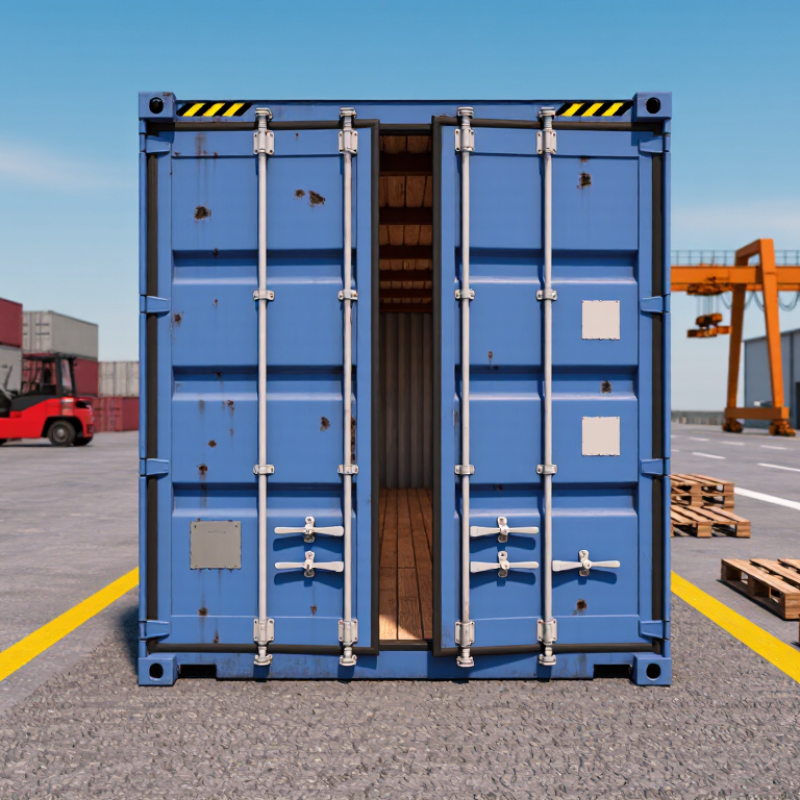
Inspect the floor, corner posts, roof rails, locking bars, and door seals. I have seen clean-looking containers with soft flooring near the doors. That flaw is easy to miss. Look for daylight through panels. Test every locking handle. Structural damage may not appear in photographs. The 2024 UNCTAD Review of Maritime Transport reported global maritime trade growth of 2.4% in 2023, increasing pressure on equipment circulation and inspections. Faster movement can mean less time for careful checks. I would also allow extra payload margin, because real loading is rarely perfectly balanced. Safety becomes less theoretical when a forklift enters.

Evaluate Security, Weather Resistance, and Ventilation Options

How to Choose a 20 ft Cargo Container in 2026?

Security starts with the door assembly, not the padlock alone. Choose doors with sound hinges, protected locking bars, and an ISO 17712-compliant high-security seal. Inspect the frame for fresh weld marks or uneven gaps. A small gap can defeat an expensive lock. The World Customs Organization identifies standardized high-security seals as an important control for container integrity. Still, seals are evidence, not absolute protection. Record seal numbers and photograph the closed doors during delivery.

Weather resistance deserves equal attention. ISO 1496-1 testing covers container strength and weatherproof performance, but used units may deteriorate quickly. Check roof seams, corner posts, floor edges, and door gaskets in daylight. The World Meteorological Organization reported that 2023 was about 1.45°C above the pre-industrial average. Hotter conditions can increase internal temperatures, especially on dark, exposed surfaces. Choose intact paint, raised storage, and a roof without standing-water marks. Perfect protection is unrealistic.

Ventilation prevents condensation, odors, and corrosion. The International Maritime Organization’s CTU Code supports ventilation when cargo conditions require air exchange. Look for factory-fitted vents with insect screens and rain deflectors. Passive vents may not control humidity sufficiently in wet climates. Use a hygrometer inside for several days before loading. I would not trust a single inspection. Recheck after heavy rain, because that is when weak seals become obvious.

Review Suppliers, Delivery Costs, Regulations, and Final Value

A 20 ft cargo container in 2026 should be judged by landed value, not its advertised price. UNCTAD’s Review of Maritime Transport reports that ships carry over 80% of global merchandise trade by volume, yet route disruptions can quickly change transport charges. Request separate quotes for the container, port handling, documentation, inland delivery, unloading, and taxes. In many areas, local delivery may cost several hundred dollars, while a crane or restricted access can add much more. These are working estimates, not promises.

Check the supplier’s inspection process carefully. Ask for recent photographs, the CSC safety plate, door-seal condition, floor repairs, and a written damage report. ISO 668 sets the standard external length near 6.06 meters and width near 2.44 meters. A typical unit offers about 33 cubic meters internally, but usable space falls with insulation or shelving. The International Maritime Organization requires verified gross mass for packed export containers under SOLAS. Local planning rules may also affect placement, especially near roads or residential boundaries.

Calculate final value over several years. Include delivery, ground preparation, repainting, ventilation, insurance, and possible repairs. A cheaper unit with a weak floor may become expensive after one wet season. I would not trust “wind and watertight” without a physical inspection. Sometimes, the best choice is not the newest container, but the one with clear records, sound doors, and a delivery route confirmed in writing. I still allow a contingency budget, because access problems are easy to underestimate.

How to Choose a 20 ft Cargo Container in 2026?

Review supplier specifications, delivery costs, regulations, condition, and final value before placing an order.

How to use this chart: A standard 20 ft dry cargo container has nominal external dimensions of approximately 6.058 × 2.438 × 2.591 metres. Internal dimensions are approximate and vary with wall, floor, and door construction. Check the container’s CSC plate for its certified maximum gross mass and tare weight; payload is calculated by subtracting tare weight from the permitted gross mass. For international transport, the packed container normally requires a verified gross mass declaration under SOLAS. Delivery price and final value depend on route, haulage distance, unloading equipment, taxes, condition, repairs, and modifications, so request an itemized quotation.
Get a Quote
910-483-7828