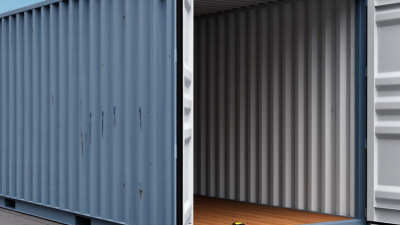
2026 Best 40 Ft Container Types for Global Buyers
Global trade depends on equipment that can move smoothly between ships, ports, railways, and trucks. The 40 ft container is a familiar workhorse, but buyers face important choices beyond length. High-cube, refrigerated, open-top, flat-rack, and standard dry models serve different cargo and handling needs. The wrong specification can mean wasted space, extra handling, or avoidable delays.
The United Nations Conference on Trade and Development reported that maritime trade grew by 2.4% in 2023, reaching about 12.3 billion tonnes. Its Review of Maritime Transport 2024 projected further growth, while warning that shipping remains exposed to route disruptions and uncertainty. These figures describe the wider market, not demand for any single container type. Still, they show why careful equipment selection matters. Details matter.
Economic historian Marc Levinson, author of The Box, captures the wider significance of containerization: “The container is the most important innovation in transportation since the wheel.” For global buyers, the practical question is narrower: which container fits the cargo, route, loading method, and operating conditions? A high-cube unit may suit bulky goods; a reefer needs reliable temperature control and power access. Not always. Product labels alone cannot settle the choice. This guide compares 40 ft container types, their common applications, and the checks buyers should make before requesting quotations. It also flags a point that deserves reflection: the cheapest purchase price may not deliver the lowest total cost. Verify dimensions, condition, fittings, and supplier documentation before committing.

Understanding the Dimensions and Core Design of 40-Foot Containers
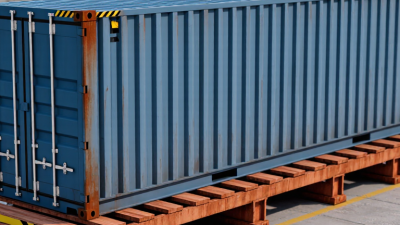
A 40-foot container is a familiar shape, but its stated size describes the outside, not the usable space. A standard unit is commonly about 40 feet long, 8 feet wide, and 8 feet 6 inches high externally. High-cube versions are roughly one foot taller. Exact measurements vary by manufacturer and model. Check the specification sheet before planning a shipment or fitting equipment.
Small differences matter.
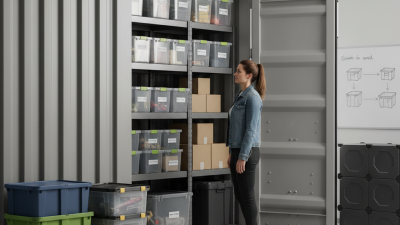
Inside, wall corrugations, floor supports, and door frames reduce clear space. A typical interior may be around 39 feet 6 inches long and 7 feet 8 inches wide, but these are reference figures, not guarantees. Measure the doorway too. It can be narrower and lower than the interior, which affects loading bulky items.
The steel corner posts and castings support stacking and handling, while the timber floor rests on transverse supports. Look closely at these parts during inspection. Wear can be easy to miss.
Payload and volume are separate limits: a load may fit inside yet exceed the permitted weight for that unit. Check the container’s own data plate and condition, and allow practical clearance for loading. A tape measure helps.
Comparing Standard and High-Cube 40-Foot Container Types
A standard 40-foot container and a 40-foot high-cube container share the same basic length and width. The key difference is height: a high-cube unit is about one foot taller externally. That extra space can help with bulky, lightweight cargo, stacked cartons, or tall equipment. Standard units may suit dense loads that reach their weight limit before filling the available volume. More room does not mean more payload. Check the container’s rating and the shipping plan before loading.
Inside dimensions vary by unit and manufacturer, so published figures are useful estimates, not guarantees. Measure the cargo, including pallets, packaging, and any clearance needed for loading. A few centimeters can matter at the doorway. Check the door opening, too; it may be lower than the internal ceiling. High-cube containers can also face availability or handling constraints on some routes, while standard units are often easier to source. The best choice is not always obvious. A simple “taller is better” rule can overlook freight costs, securing needs, and the cargo’s actual shape. Confirm dimensions with the supplier and carrier before booking.
Assessing Materials, Capacity, and International Compliance
In 2026, choosing a 40 ft container starts with the cargo and route, not the label alone. Standard dry units usually have steel walls and floors suited to boxed goods and equipment. High-cube models add headroom for tall loads. Reefers use insulated panels and cooling equipment, while open-top and flat-rack types handle cargo that cannot fit through standard doors. Details matter. Check door width, floor condition, and any repairs; a dented corner can affect loading plans more than a brochure suggests.
Capacity figures need careful reading. A 40 ft container may offer roughly 67 cubic metres of internal volume, but usable space varies by design and condition. Payload limits also depend on the container’s rating and the vehicle, port, and route rules. Ask for the tare weight and maximum gross weight shown on the unit’s data plate. Measure the actual cargo, including pallets and protective packing. I would not rely on a nominal capacity figure alone; that is an easy oversight.
International compliance deserves the same attention as material and capacity. Confirm that the container has a valid CSC safety approval plate and readable identification markings before shipment. For reefers, verify power requirements and operating temperature with the carrier. Dimensional and documentation checks can differ between transport legs, so confirm details with the carrier and relevant inspection service. Small mismatch, big delay. A sound specification helps, but the individual unit still needs inspection.
Choosing a 40-Foot Container for Global Shipping Needs
Choosing a 40-Foot Container for Global Shipping Needs
A 40-foot container suits many international shipments, but the right type depends on cargo dimensions, weight, and handling needs. A standard unit offers roughly 67 cubic metres of internal space; a high-cube model adds height for bulky, lightweight goods. Actual usable capacity varies by container design, so check the equipment’s data plate and your carrier’s specifications. UNCTAD’s Review of Maritime Transport 2024 reported that global maritime trade grew 2.4% in 2023. That wider flow makes reliable space planning important, especially when schedules are tight.
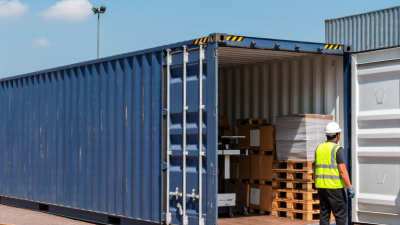
Match the container to the cargo, not just the price. A high cube may fit stacked cartons, while temperature-sensitive goods need a reefer and suitable power access. Heavy cargo can reach the weight limit before the container is full. That’s easy to miss. Measure pallets, allow room for safe loading, and confirm port, road, and rail restrictions along the route. A small mismatch can mean repacking or a delayed booking.
Tips: Ask for the container’s internal dimensions, payload limit, and door opening before booking. Compare these with your largest pallet and heaviest load. Keep a little spare space for loading access; perfect-looking plans can fail at the door.
2026 Best 40 Ft Container Types for Global Buyers
Choosing a 40-Foot Container for Global Shipping Needs
A 40-foot high cube container typically offers the greatest internal volume, making it a practical choice for tall or lightweight cargo. Standard dry, refrigerated, and open-top containers suit different cargo and handling needs. Figures are indicative internal capacities; actual dimensions vary by container design and manufacturer. Check payload limits and route requirements before booking.