How to Choose the Right 40ft Storage Container?

Choosing the right 40ft storage container starts with the space you need, not the largest unit you can find. Measure the longest items, tallest equipment, and widest doorway before comparing options. A standard 40-foot container offers substantial capacity, but its usable interior dimensions vary by model and condition. A tape measure can prevent an expensive mismatch.

Container specialist Alex Morgan offers this practical reminder: “A good container fits the cargo, the site, and the way people will use it.” Treat that as a useful buying principle, not a substitute for checking the specifications of a particular unit. Think about access, too. Will a forklift approach the doors? Can delivery equipment reach a level, firm placement area? A few inches can matter when pallets must pass through the opening.

Inspect the container in person when possible. Look for daylight through the roof, damaged door seals, soft flooring, and doors that resist opening. Ask for interior measurements, delivery details, and clear photos before committing. For sensitive goods, consider ventilation, insulation, or a high-cube model, depending on the storage environment. The cheapest option may need repairs; the newest may exceed your needs. That trade-off deserves a second look. A 40 storage container is a practical investment when its dimensions, condition, and placement match the job. Check each detail before delivery, and leave room for what you may store next.
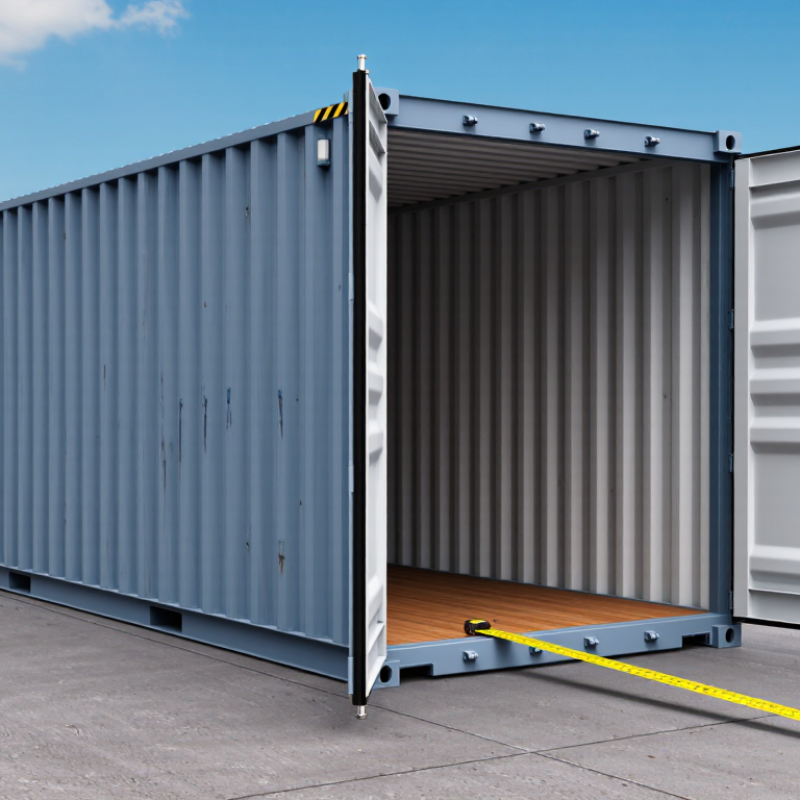
How to Choose the Right 40ft Storage Container?

What Is a 40ft Storage Container?

A 40ft storage container is a large, enclosed steel unit designed to hold and protect goods or equipment. A standard unit measures about 40 feet long, 8 feet wide, and 8 feet 6 inches high externally. These dimensions follow the ISO 668 series, the international standard for freight-container sizes. The internal space is smaller because of the walls and fittings, and exact capacity varies by model. A common dry container offers roughly 67 cubic metres of usable volume. That is plenty for stacked cartons, long furniture, or workshop supplies, but bulky items can waste space quickly.

In practice, check the door opening, floor condition, ventilation, and access route before choosing one. A container may fit the storage area but still be impossible to position beside a fence or building. The World Shipping Council describes containers as standardized units that move between transport modes; that standardization helps explain their familiar dimensions, but it does not guarantee identical interiors. Measure your largest item, not just the total pile. I’ve seen neat estimates fall short when a pallet jack needed extra turning room.

Tips: Leave a narrow aisle for access, keep heavy items low, and allow airflow around stored goods. Ask for the unit’s exact internal measurements and inspect the roof for dents or signs of water entry before delivery.
What Storage Capacity and Dimensions Should You Expect?

A standard 40ft storage container measures about 40 feet long, 8 feet wide, and 8 feet 6 inches high externally. Inside, expect roughly 39 feet 5 inches of length, 7 feet 8 inches of width, and 7 feet 10 inches of height. Exact measurements vary slightly by construction and condition, so check the unit’s specification sheet before planning a tight fit. Its usable volume is commonly around 2,350 to 2,390 cubic feet, or about 67 cubic metres. A neat number can mislead.

A 40ft high-cube container adds roughly one foot of external height. Its internal height is typically close to 8 feet 10 inches, with about 2,690 cubic feet of volume. That extra space helps with tall shelving or stacked boxes, but it does not make the floor wider. Measure bulky items, including handles and packaging, and leave room to reach what sits at the back. The door opening is smaller than the interior, which can catch people out. Allow for airflow and access aisles, too; tightly packed storage may fit on paper but prove awkward in daily use. Check for interior fittings, dents, and moisture before loading. It is easy to overlook these details.

Which Container Type Best Fits Your Storage Needs?

A 40ft storage container can suit many jobs, but its type matters as much as its size. A standard dry container works for boxed goods, tools, furniture, and building materials that need protection from rain and dust. If you store tall equipment or bulky items, a high-cube model adds extra interior height. Measure your largest item, including handles and packaging, before choosing. Door clearance can be tighter than expected.

For items that need controlled temperatures, a refrigerated container may be appropriate, but it requires a reliable power supply and regular temperature checks. Ventilated models can help reduce condensation around goods such as timber or produce. They are not climate-controlled, though. For frequent loading, consider door access and ground conditions; a container that is difficult to reach can slow daily work.

Tips: Check internal dimensions, not just exterior length. Leave a small aisle for safe access, and keep heavier items low. Inspect seals, flooring, and door hinges before delivery. One detail is easy to miss: site access. A 40ft unit needs room for transport and placement, and tight turns may complicate delivery. Measure the route, too.

How Can You Assess Condition, Security, and Weather Resistance?

A 40ft storage container can look sound from a distance and still hide costly problems. Walk around it in daylight and inspect the roof, corners, doors, and lower edges. Look for deep dents, cracked welds, flaking paint, and rust that has eaten through the steel. A small surface rust patch may be manageable; soft or perforated metal deserves closer attention. Open and close both doors. They should move without lifting or forcing, and the locking bars should turn smoothly. Check the floor for soft spots, gaps, or a persistent chemical smell. Bring a flashlight. It helps.

Security depends on more than a heavy door. Check that the door seals sit evenly and that hinges, locking bars, and lock points are not bent or loose. Ask how the container was used and whether repairs were made; answers may be incomplete, so verify visible details yourself. A lock can deter casual access, but it cannot correct a damaged frame or poorly fitted doors.

For weather resistance, inspect the roof from a safe position and look for standing-water marks, pinholes, and patched seams. After rain, check inside for damp streaks, musty odors, or light showing through joints. Door gaskets should be flexible and meet the frame without obvious gaps. A quick hose test may reveal leaks, though it cannot replicate a hard storm. No inspection is perfect. Note defects with photos and ask for repairs in writing before accepting the unit.

What Site and Delivery Requirements Should You Check?

A 40ft container needs more than a 40ft-long parking spot. ISO 668:2020 sets the standard external length at 12.192 metres and width at 2.438 metres. A standard-height unit is about 2.591 metres tall; a high-cube unit is about 2.896 metres. Measure the planned pad, overhead clearance, and turning area, then compare them with the delivery truck’s route. Trees, cables, gates, soft shoulders, and sloped ground can block placement. A level, firm surface helps prevent doors from binding after delivery. Small site details are easy to miss.

Tips: Ask the supplier for the loaded truck’s overall dimensions, turning needs, and unloading method. In the United States, FHWA guidance gives 102 inches as the general maximum vehicle width on the National Network, but local routes and restrictions vary. That figure does not tell you the truck’s height or turning radius. Check those directly, and confirm whether a crane or tilt-bed truck needs extra working space. Mark the intended position with paint or cones before arrival.

Leave room for the doors to open fully and for safe access around the unit. Check drainage after rain; a dry-looking patch can still soften under a heavy vehicle. Photograph the route and placement area, then share those images with the delivery coordinator. Even careful planning can miss a low branch or tight corner, so a site visit may be worthwhile when access is uncertain.

How to Choose the Right 40ft Storage Container? — What Site and Delivery Requirements Should You Check?

Site or Delivery Check Planning Guidance What to Confirm Before Delivery
Container size and height A standard 40ft container is typically about 40 ft long, 8 ft wide, and 8 ft 6 in high externally. A 40ft high-cube model is typically about 9 ft 6 in high. Confirm the exact external dimensions of the unit being supplied, including any fittings or door hardware that could affect clearance.
Placement footprint Allow for the container’s full length and width, plus working room around doors and sides where access or inspection is needed. Measure the proposed position and check that the container will not obstruct driveways, fire routes, gates, drains, or neighboring property.
Delivery vehicle access A 40ft unit is commonly delivered by a large truck or trailer. The vehicle needs a suitable route and enough room to maneuver. Check road width, turning space, gate openings, approach angles, overhead branches, cables, bridges, and any vehicle-size restrictions along the route.
Overhead clearance The delivery vehicle and lifting or unloading equipment may need more vertical clearance than the container alone. Ask the delivery provider for the required working height for its equipment. Check power lines, tree limbs, roof overhangs, and other overhead obstructions.
Ground conditions The ground should be firm, level, and capable of supporting the container and its stored contents. Soft or uneven ground can cause settlement or make doors difficult to operate. Inspect for loose fill, mud, standing water, steep slopes, and underground voids. Ask whether ground protection or additional preparation is needed.
Support and drainage Use stable, level bearing points appropriate to the container and the site. Keep the area arranged so water can drain away rather than collect beneath the unit. Confirm the supplier’s support-point guidance and prepare the base before arrival. Avoid placing supports where they could block drainage or damage buried services.
Unloading and placement space Delivery methods vary, and some require substantial clear space for the truck to position or unload the container. Ask what unloading method will be used, how much clear space it requires, and whether the container can be placed in the exact position requested.
Door access and daily use Container doors are commonly located at one short end and need unobstructed space to open and for people or equipment to enter. Choose an orientation that keeps the doors accessible. Check that the doors will not face a fence, wall, parked vehicle, or restricted walkway.
Permits and site rules Requirements can vary by location, land use, duration, and whether the container is on private or public property. Check local planning or permit rules, property-owner approval, site safety requirements, and any restrictions on temporary structures or roadside placement.
Utilities and underground services Container placement and delivery equipment can affect buried water, drainage, gas, electrical, or communications services. Identify underground service routes before selecting the position. Do not assume a clear-looking surface means the ground below is unobstructed.
Delivery-day coordination Vehicles may need a clear access route and a reserved unloading area for the agreed delivery window. Confirm access instructions, contact details, parking restrictions, weather-related concerns, and who will be present to approve placement.
Container condition and suitability Storage needs differ; a unit intended for general dry storage may not suit temperature-sensitive goods or materials requiring special ventilation. Specify the intended contents and ask about condition, door operation, weather protection, ventilation, and any additional requirements before ordering.

Important: Dimensions, weights, delivery equipment, and clearance requirements can vary by container type and provider. Verify the specific unit and delivery method before preparing the site.

Get a Quote
910-483-7828