What is a 40ft Shipping Container and How to Buy One?
In the ever-evolving world of logistics, the demand for a 40ft shipping container has been on the rise. According to a report by the World Shipping Council, global container shipping capacity is expected to increase by 4% annually. This steady growth highlights the importance of containers like the 40ft shipping container. Industry expert John Smith emphasizes, "The 40ft shipping container is essential for efficient freight movement worldwide."
Choosing the right container can be overwhelming. The 40ft shipping container, about the size of a standard parking space, offers substantial space for varied shipping needs. Its versatility makes it ideal for transporting everything from electronics to construction materials. According to Container Management Magazine, around 80% of goods are transported via shipping containers, with the 40ft variant being one of the most popular.
Buying a 40ft shipping container requires careful consideration. Pricing can range from $2,000 to $5,000, depending on condition and location. Used containers are often less expensive but may have wear and tear. Reflecting on the industry, many buyers overlook the importance of proper inspection before purchase. It's crucial to assess the container's structural integrity to avoid future issues.
Definition and Specifications of a 40ft Shipping Container
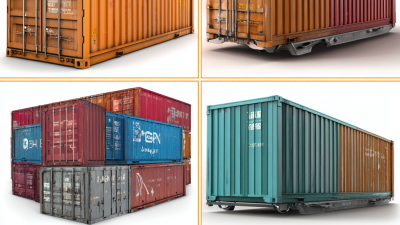
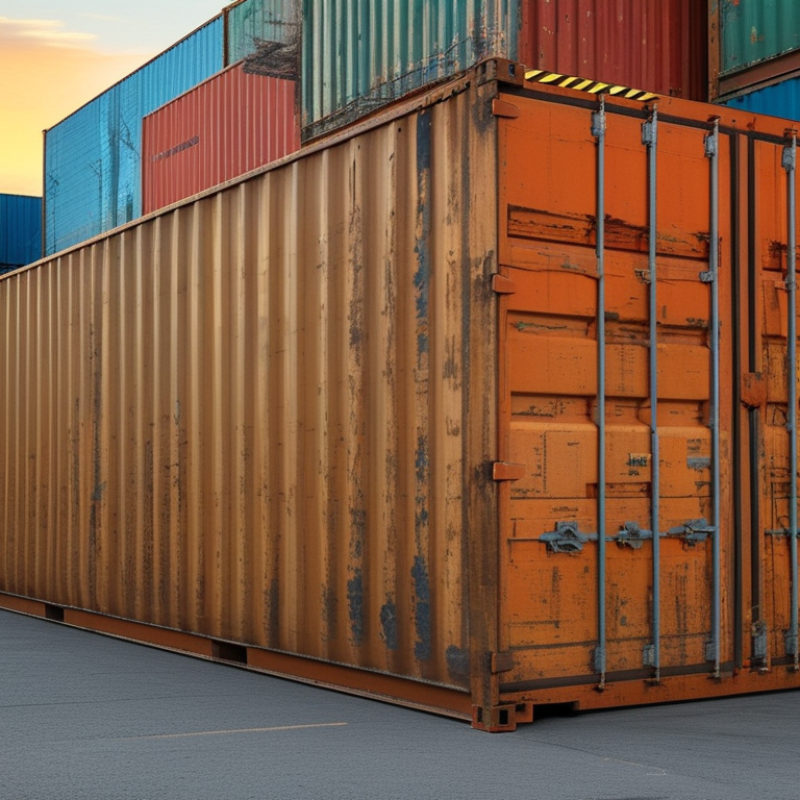
A 40ft shipping container is a standard metal box used for transporting goods. Its dimensions are typically 40 feet long, 8 feet wide, and 8.5 feet high. This size provides ample space for various cargo types. It holds around 2,390 cubic feet of volume, making it ideal for large shipments. The containers are designed for durability and weather resistance.
When considering a purchase, think about your specific needs. Inspect the condition carefully. Look for rust, damage, or signs of water leakage. Pay attention to the floor's integrity as well. Choosing high-quality containers ensures they last longer.
Tips: Determine your shipping requirements first. Clarity helps you avoid unnecessary costs. Compare prices and features from different sellers. Make informed decisions based on your budget. Having a plan can save you time and money in the long run.
Common Uses and Applications for 40ft Shipping Containers
When considering a 40ft shipping container, its versatility shines in various applications. These containers are ideal for storage, providing ample space for inventory or personal belongings. Businesses often use them to ship goods across long distances efficiently. Their sturdy construction ensures that items remain secure during transit.
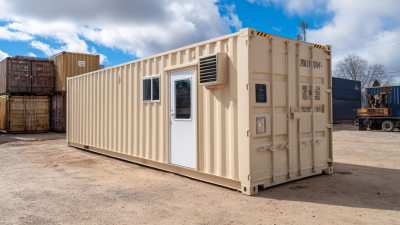
People also transform 40ft containers into unique living spaces. Tiny homes and mobile offices can be created with them, making them popular in the housing market. Events planners utilize these containers as pop-up shops or kiosks, utilizing the space creatively for marketing purposes. The adaptability of these containers appeals to many sectors.
Tips: Check local zoning laws before placing a shipping container on your property. It’s crucial to ensure compliance. Consider customizing the container with insulation or windows to enhance usability. Remember, the container's condition affects its function. Inspect thoroughly or consult with experts to avoid future issues.
Common Uses and Applications for 40ft Shipping Containers
Factors to Consider When Buying a 40ft Shipping Container
When considering the purchase of a 40ft shipping container, it’s important to account for various factors. The cost of these containers can vary widely based on condition, age, and market demand. A new container may range from $5,000 to $7,000, while used ones can be found for $3,000 to $5,000. Pricing fluctuations often correlate with global shipping trends, which can be unpredictable.
Condition is another crucial aspect. Containers are typically classified as new, cargo-worthy, or wind and watertight. Each classification impacts usability for storage or shipping. Inspections are recommended to assess structural integrity and potential repairs. Industry studies indicate that around 30% of used containers require some level of maintenance. Therefore, buyers should prioritize thorough inspections to avoid unexpected expenses.
Location also plays a significant role in logistics and transportation costs. Containers purchased near shipping ports can save money on delivery fees. Meanwhile, one must consider potential zoning regulations. Some areas have specific restrictions on container storage that could complicate your plans. Carefully evaluating these factors will lead to a more informed decision.
What is a 40ft Shipping Container and How to Buy One? - Factors to Consider When Buying a 40ft Shipping Container
| Feature |
Description |
Considerations |
| Size Dimensions |
40ft in length, 8ft in width, 8.5ft in height |
Space availability at your location |
| Weight Capacity |
Maximum payload is about 30,000 lbs |
Nature of cargo being shipped |
| Container Type |
Standard, High Cube, Refrigerated, Open Top, Flat Rack |
Specific needs for storage or transport |
| Material |
Typically made of corten steel |
Durability and weather resistance |
| New vs Used |
Brand new or refurbished |
Budget and intended use |
| Price Range |
Typically ranges from $2,000 to $6,000 |
Include additional costs for shipping and modifications |
| Delivery Options |
Various shipping methods available |
Accessibility to delivery location |
| Regulatory Compliance |
Must meet local regulations |
Check local zoning and building codes |
Steps to Purchase a 40ft Shipping Container Effectively
Buying a 40ft shipping container can seem daunting, but it doesn't have to be. Start by identifying your specific needs. Do you need it for storage, shipping, or a custom project? Determine how you plan to use the container. This understanding will guide you toward the best choice.
Next, research reputable suppliers. Look for companies with solid reviews and a history of customer satisfaction. It's essential to verify their credentials and ensure they have experience in the shipping container market. Reach out to them with your questions and gauge their responses. If they are knowledgeable and helpful, that is a promising sign.
When you have a shortlist of suppliers, compare prices and conditions. Inspect the containers in person if possible. Look for signs of wear, rust, or damage. Pay attention to the container’s condition, as this impacts its lifespan. Be mindful of costs associated with delivery and any extra services offered. Consider how these factors align with your budget and needs.
Tips for Finding Reliable Suppliers for Shipping Containers
When searching for reliable suppliers of shipping containers, it’s crucial to consider their reputation. Look for suppliers with positive reviews. Check online directories and forums. The World Shipping Council estimates that global shipping capacities rose 3% in 2022, highlighting competition in the market. High demand may lead to price fluctuations.
Verify the supplier’s credentials. Trustworthy suppliers often have certifications. They should be transparent about their sourcing processes. A study from the Container Owners Association reveals that quality variations exist based on the manufacturer. This variability can affect durability and longevity.
Consider visiting the supplier’s facility. This can provide insights into their operations. Inspect the containers before making a purchase. The average cost for a standard 40ft container can range significantly, from $2,500 to $5,000. Take note of hidden costs like delivery fees and taxes. Do stay aware of the potential for delays in shipping, especially amid ongoing global logistical challenges.