10 Tips for Buying a Cargo Shipping Container?

Buying a cargo shipping container may seem like a simple search for the right size and price. The real decision is more specific: what will it carry, where will it sit, and how will it be delivered? UNCTAD’s Review of Maritime Transport 2024 reported that global maritime trade grew 2.4% in 2023, while containerized trade grew only 0.3%. Those different rates are a reminder that shipping conditions can shift, and a container’s value depends on its intended use, not just market headlines.

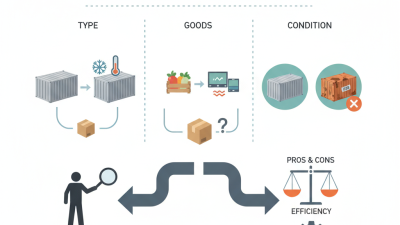
Before comparing quotes, check the container’s dimensions, condition, door operation, floor, roof, and seals. Ask for recent photographs, but do not treat a polished image as an inspection. Small details matter. A bent door frame or worn gasket can complicate everyday use. If the unit will be used for transport, confirm its suitability and relevant inspection status with the seller; storage needs may differ. Also verify delivery costs, site access, and whether a truck can place the unit where you need it. A low advertised price can change once transport is added. One easy assumption deserves a second look: “standard size” does not guarantee a practical fit for every site or load. The ten tips ahead will help buyers compare condition, specifications, sellers, and total cost with clearer questions—and fewer surprises. Weigh each claim against the details you can verify.
10 Tips for Buying a Cargo Shipping Container?

Define Your Cargo, Storage, and Site Requirements

Before choosing a container, list the cargo’s dimensions, total weight, loading method, and expected storage period. Measure the largest item, including pallets and wrapping. A 20-foot unit may fit the floor area but still fail when bulky goods cannot pass through its doors. Check the container’s actual payload plate; maximum gross weight and tare weight vary by unit and condition. UNCTAD’s Review of Maritime Transport 2024 reports that global maritime trade grew 2.4% in 2023. That growth is a reminder that route and delivery timing can shift, so avoid planning around a single, fixed arrival date.

The site matters as much as the box. ISO 668:2020 sets standard external dimensions; a common 20-foot container measures about 6.06 metres long and 2.44 metres wide. Allow extra room for doors, lifting equipment, and a delivery vehicle to turn. Check ground firmness, slope, overhead clearance, and drainage. A level-looking patch can still soften after rain. Measure twice.

Tip: Sketch the route from gate to final position, then compare it with the carrier’s vehicle and unloading method. Confirm whether a crane or forklift can reach the placement area. Leave door access unobstructed, and ask the supplier to verify the unit’s dimensions, weight rating, and condition before dispatch. A small site diagram can catch problems early.

Choose the Right Container Size, Type, and Material

Before comparing prices, measure the goods, doorway, and space where the container will sit. A standard 20-foot container suits many compact loads, while a 40-foot unit offers more floor space. A high-cube model adds height for bulky cargo. Check internal dimensions, door opening, and payload capacity; exterior measurements alone can mislead. Leave room to load and secure items safely.

Tip: Sketch the largest item beside the container’s door measurements. Check the route to the delivery site, too. A container that fits the cargo may still be difficult to position.

Choose the type for the cargo and its journey. A dry container works for general goods, while a refrigerated unit needs a dependable power source and operating checks. Inspect the floor, door seals, hinges, and corner posts before buying. Steel is durable, but chipped paint and standing water can invite rust. Ask for clear photos and a recent condition report. I still find it easy to underestimate small dents; focus on damage that affects sealing or structure. Used containers can be practical, but condition varies, so allow time for an in-person inspection when possible.

Inspect Structural Condition, Doors, Floors, and Weatherproofing

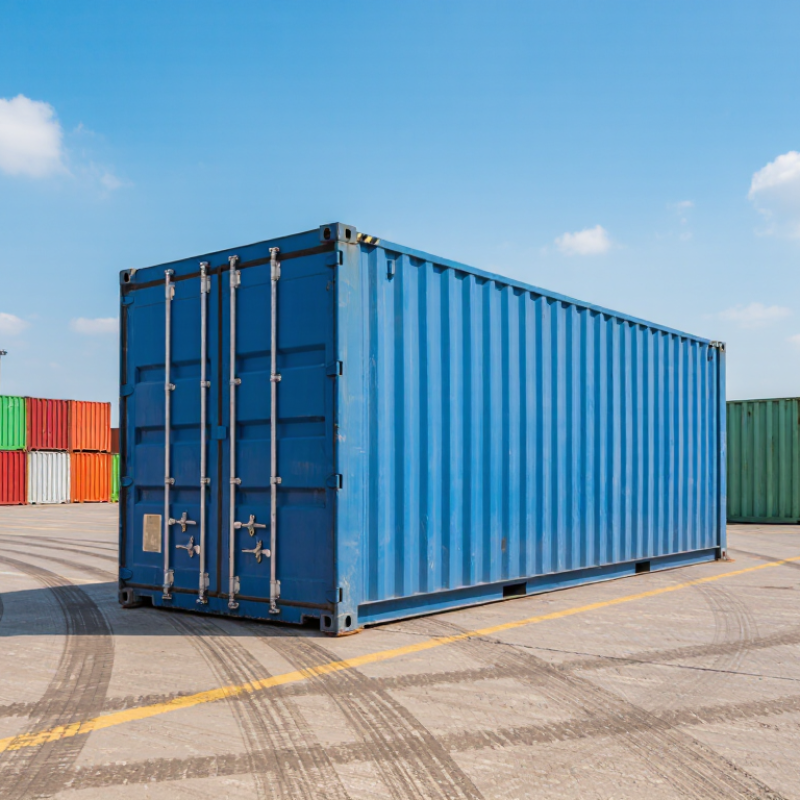
Before buying a cargo shipping container, inspect its frame in daylight. Look along the corner posts and upper rails for bends, cracks, or fresh welds. A small dent may be cosmetic; a twisted frame can make doors difficult to use. Check the floor from inside, too. Watch for soft patches, broken boards, standing water, or a strong damp smell. Step carefully, since a surface that looks sound may still flex underfoot. Fresh paint can make an older container look better than it is. Ask what repairs were made, and do not treat appearance as proof of sound condition.

Open and close both doors several times. They should move without excessive force and meet evenly at the edges. Examine hinges, locking bars, handles, and seals for rust, damage, or missing parts. Check the rubber gaskets for gaps, flattened spots, and splits. Look for daylight around closed doors. That matters. For weatherproofing, inspect the roof and wall seams for pinholes, patched areas, and rust trails. A hose test can reveal leaks, but avoid assuming one dry check guarantees future protection. If anything is unclear, arrange an independent inspection; a quick visit has limits, and I would rather notice that before arranging delivery.

Verify Seller Credentials, Ownership, and Required Documentation

Before paying for a cargo container, verify who is selling it and whether they can legally transfer ownership. Request the seller’s registered business name, physical address, and written authority to sell. Ask for a bill of sale and proof of ownership, such as a purchase invoice or leasing-company release. Match the container’s identification number on the paperwork to the number stamped on its door. A polished photo proves little. Check twice.

Documentation matters in a busy market. UNCTAD’s Review of Maritime Transport 2024 reports that global container port throughput reached 858.9 million TEUs in 2023, highlighting the scale of container circulation. That volume does not verify any individual seller, so treat paperwork as essential, not optional. Request clear photos of the identification plate, door markings, and any damage. Confirm the container’s ISO 6346 identification code and inspect its CSC safety approval plate, including its inspection or examination date. If records disagree, pause the purchase.

Use a written contract that lists the container number, condition, price, delivery location, and responsibility for transport. Have an independent inspector compare the physical unit with the documents before final payment. Keep copies of messages, invoices, and transfer records. Even a small mismatch can take time to resolve.

Compare Total Costs, Delivery Options, and Local Regulations

A container’s purchase price is only the starting point. Compare quotes that include inspection, taxes, transport, unloading, and any site preparation. Delivery can change the total sharply: a truck may need extra space to turn, a firm level surface, and clear overhead access. The 2023 American Transportation Research Institute report estimated average trucking costs at $2.251 per mile in 2022. That is a broad industry benchmark, not a container-delivery quote, but it shows why distance matters. Ask suppliers to itemize fees and confirm whether a crane or special truck is included.

Tip: Request both depot pickup and delivered pricing. Check truck access with a tape measure, not a guess.

Delivery options affect cost and practicality. A tilt-bed truck may work for an accessible site, while a crane-assisted drop can help where space is tight. Confirm who is responsible for unloading, what happens if the truck cannot reach the planned spot, and whether delivery dates are firm. Get these details in writing. I have seen small access issues turn into expensive delays; they are easy to overlook.

Tip: Check local zoning, building, drainage, and fire-safety requirements before paying. Rules differ by location and intended use, so ask the relevant local authority whether permits or inspections apply. Photograph the proposed site, note nearby wires and fences, and share those details with the delivery company. A low quote is not always the cheaper choice.

10 Tips for Buying a Cargo Shipping Container? — Compare Total Costs, Delivery Options, and Local Regulations

# Buying Tip What to Compare Useful Facts and Checks Practical Action
1 Calculate the total delivered cost Container price, taxes, delivery, unloading, site preparation, and any permit fees. A low container price may not include transport or placement. Delivery cost depends on distance, truck type, access, and unloading requirements. Request an itemized quote showing all charges, applicable taxes, and possible extra fees before ordering.
2 Choose the right size Available ground space, stored items, door clearance, and future access. Common standard sizes have exterior dimensions of about 20 ft × 8 ft × 8 ft 6 in and 40 ft × 8 ft × 8 ft 6 in. Actual internal dimensions vary by model and construction. Check the specific unit’s internal and door-opening dimensions, not just its nominal length.
3 Compare condition grades carefully New or one-trip, used, wind-and-watertight, and cargo-worthy descriptions. Grade names are not a substitute for a written inspection report. Wear, repairs, floor condition, and door operation differ from unit to unit. Ask for recent, date-stamped photos of the roof, floor, corners, doors, and interior, plus a written condition description.
4 Inspect the structure and floor Rust, dents, holes, water entry, floor damage, door seals, and locking gear. A container can show surface rust and still be usable, but holes, significant corrosion, or damaged corner fittings may affect suitability and handling. Arrange an in-person inspection when possible, or make acceptance subject to inspection and an agreed remedy for undisclosed damage.
5 Confirm delivery method and equipment Tilt-bed or roll-off delivery, flatbed delivery, crane unloading, and placement service. A tilt-bed truck needs room to maneuver and space to slide the container off. A flatbed may require separate lifting equipment. Requirements vary by carrier and container size. Get the delivery vehicle’s space, clearance, and unloading requirements in writing; share site photos and measurements with the carrier.
6 Check access and ground conditions Gate width, turning radius, overhead wires, branches, slope, and soil firmness. A loaded delivery truck is heavy, and soft or uneven ground can make safe placement difficult. Overhead and roadside clearances are site-specific. Measure the full route and prepare a level, stable bearing surface. Confirm final placement and access with the delivery operator.
7 Verify payload and weight limits The specific container’s maximum gross mass, tare weight, and payload rating. Ratings vary by unit. The container’s safety approval plate and markings provide unit-specific information; road-vehicle weight limits also apply. Obtain the unit’s rating details and calculate cargo weight before loading or arranging transport.
8 Check local zoning and permit rules Zoning, building rules, setbacks, permitted use, time limits, and homeowners’ association requirements. Requirements vary by municipality and property. A container used for storage may be treated differently from one used as a building or occupied space. Contact the local planning or building department before purchase and confirm rules for the intended location and use.
9 Confirm shipping eligibility if exporting CSC approval plate, inspection status, carrier acceptance, and route requirements. International transport under the Container Safety Convention requires applicable safety approval. Inspection arrangements can include periodic examination or an approved continuous examination programme. If the unit will be shipped internationally, verify its approval and current acceptance with the shipping line or freight provider before buying.
10 Review warranty, payment, and delivery terms Warranty scope, refund terms, delivery window, damage responsibility, and title or ownership documents. Terms differ between sellers. Confirm what qualifies as a defect, when responsibility transfers, and what happens if the site is not accessible on delivery day. Keep the quote, condition report, delivery terms, and agreed remedies in writing before making payment.

Note: Dimensions, ratings, delivery requirements, prices, and local rules vary by container and location. Verify unit-specific details and applicable regulations before purchase.

Get a Quote
910-483-7828