How to Choose the Right Shipping Containers for Your Needs?
Choosing the right shipping containers can be overwhelming. With various types and sizes available, how do you make an informed decision? Industry expert John Smith, a veteran in logistics, once said, "Not all shipping containers are created equal." This statement emphasizes the importance of understanding your specific needs before making a choice.
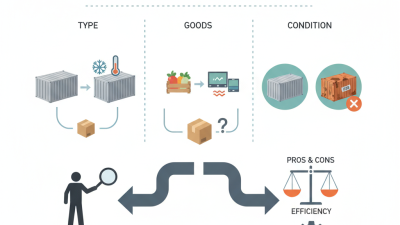
When selecting shipping containers, consider your goods’ requirements. For example, perishable items require refrigerated containers. On the other hand, general cargo may be fine in standard units. Each container type serves a distinct purpose, and recognizing this is crucial.
Quality matters too. A well-maintained shipping container can protect your products during transit. Look for signs of wear, rust, or damage. These factors can affect the integrity of your cargo. Remember, sometimes less is more. You don’t need an oversized container if a smaller one suffices. Reflecting on your needs could save you money and space.

Understanding Your Shipping Needs and Requirements
When choosing shipping containers, defining your shipping needs is essential. Consider the items you'll ship. Are they fragile or heavy? This understanding shapes your container selection. Choose the right size. Standard containers come in various lengths; a 20-foot or 40-foot option might work best.
Tips:
1. Measure your cargo. Ensure the container fits comfortably without cramming.
2. Evaluate container conditions. New or used? Each has pros and cons. New containers provide better insulation but come at a higher cost.
Analyze your shipping volume. Are you sending goods frequently? A dedicated container may be viable. If your needs fluctuate, renting might be the right path. Reflect on your budget, too. A suitable container can save costs, but upfront investment is crucial.
Consider where your containers will be stored. Space restrictions matter. If space is limited, a stackable container might suit you. Remember that your shipping methods can evolve. Regular review helps keep your choices relevant. Choosing containers is more than just picking one; it's about ongoing efficiency.
Types of Shipping Containers: A Detailed Guide
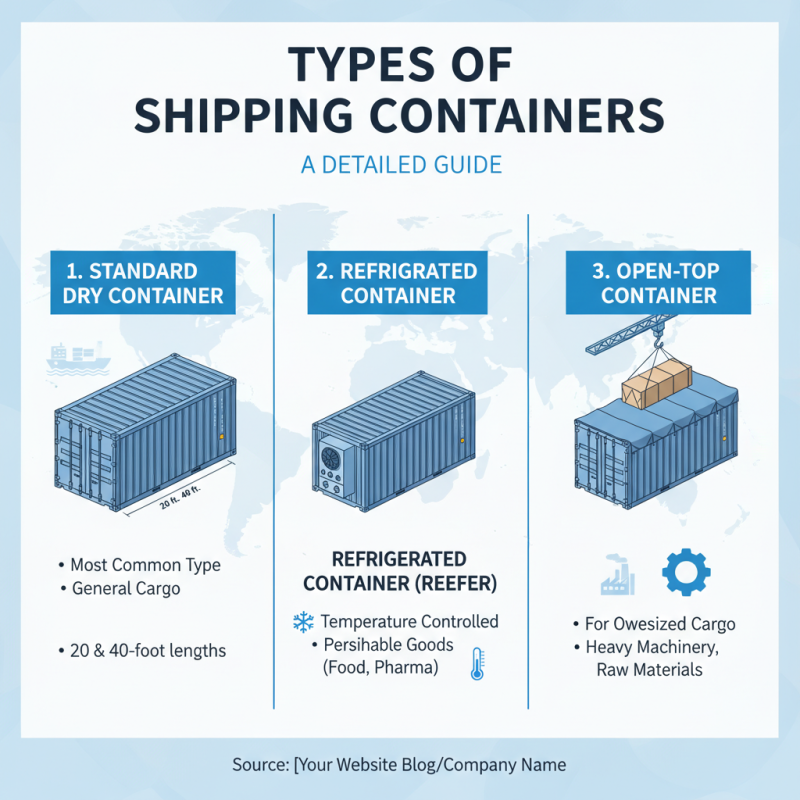
When choosing the right shipping containers, understanding the types available is crucial. Shipping containers come in various types and sizes, each designed for specific purposes. Standard dry containers are the most common. They can store general cargo and come in 20 or 40-foot lengths. These containers are versatile and widely available.
Another popular option is the refrigerated container. Also known as reefer containers, they maintain a specific temperature. This is essential for shipping perishable goods. If you need to transport food or pharmaceuticals, these containers are necessary for preserving quality.
**Tip:** Always assess your cargo needs. Consider the type of items you'll ship and their dimensions. This can help prevent overpaying for unnecessary space.
Open-top containers are another category to consider. They allow for easy loading of bulk items using a crane. However, they also expose cargo to the elements. This can lead to damage if not properly covered.
**Tip:** Research the weather conditions of your shipping routes. This knowledge can guide your choice between covered and open containers.
It's essential to reflect on your unique shipping requirements. Choosing the wrong container can lead to unexpected costs. This could include damage or extra handling charges.
Factors to Consider When Choosing Shipping Containers
Choosing the right shipping containers can be challenging. Various factors play a role in making the best decision. One of the most critical factors is the intended use. Think about what you will store or transport. Food, furniture, or machinery? Each item has different needs for protection and ventilation.
Size matters significantly. Containers come in many dimensions. A 20-foot container might seem sufficient, but is it really enough? Consider your items' volume. Also, think about future storage needs. Sometimes, a larger container offers better flexibility.
Condition is another key element. New containers appear perfect but come at a higher cost. Used containers can be a budget-friendly alternative. However, inspect them carefully. Look for dents, rust, or leaks. Make a checklist to help ensure you won’t overlook critical issues. Each detail impacts the container’s longevity.
How to Choose the Right Shipping Containers for Your Needs? - Factors to Consider When Choosing Shipping Containers
| Factor |
Description |
Recommendation |
| Container Type |
Select between standard dry containers, refrigerated containers, or specialty containers based on your cargo needs. |
For perishable goods, choose refrigerated containers. |
| Size |
Consider the volume and dimensions of your goods to determine the proper container size. |
20ft or 40ft containers are commonly used; check cargo dimensions carefully. |
| Condition |
Evaluate whether to purchase new or used containers based on cost and quality. |
Used containers can be cost-effective if in good condition. |
| Weight Capacity |
Different containers have varying weight limits; ensure your cargo weight is within limits. |
Check the maximum gross weight capacity sticker on the container. |
| Ventilation |
Evaluate if your shipment requires ventilation to avoid moisture damage. |
Choose ventilated containers for items that are sensitive to moisture. |
Assessing Container Conditions: New vs. Used Options
When choosing shipping containers, the condition is crucial. New containers often come with a higher price tag. They are typically free of rust and damage. This can lead to fewer maintenance issues down the road. However, consider your specific needs before opting for a new one.
Used containers are a viable option. They are generally more affordable, making them attractive for many buyers. Inspect the container thoroughly for dents, rust spots, and leaks. Look for signs of previous use. They may need some repairs, which can increase your costs.
Tip: Always ask for container history. This includes how they were used and maintained. Understanding this can save you future troubles.
Remember that used containers may have unique charm but can come with hidden challenges too. Expect some wear and tear. Choose wisely to avoid unexpected expenses.
Evaluating Costs and Budget for Shipping Containers
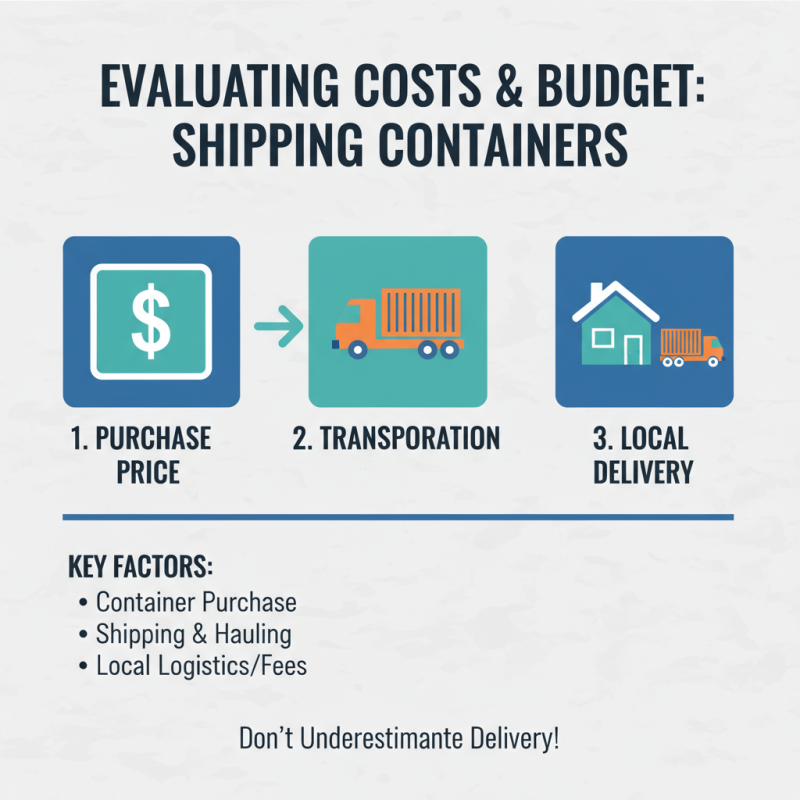
When evaluating costs and budget for shipping containers, it’s crucial to consider several factors. The purchase price is just the starting point. Transportation costs can add up quickly. Consider local delivery fees, especially for bigger containers. You might underestimate these expenses.
Maintenance is another aspect to ponder. Containers require care to prevent rust and damage. A well-maintained container can save you money in the long run. Also, think about customization needs. Modifications can increase costs significantly. Budget for potential upgrades, like insulation or shelving.
Don’t forget about the container’s intended use. Storage or transportation? Different uses necessitate different types and sizes. Make a list of your needs. This will help you avoid overspending on a container that doesn’t fit. Reflect on how often you might require access to the container. More access means higher costs, too.