2026 Best Types of Shipping Containers for Global Buyers
What Defines a Shipping Container and Its Global Role
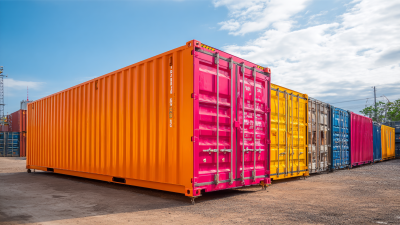
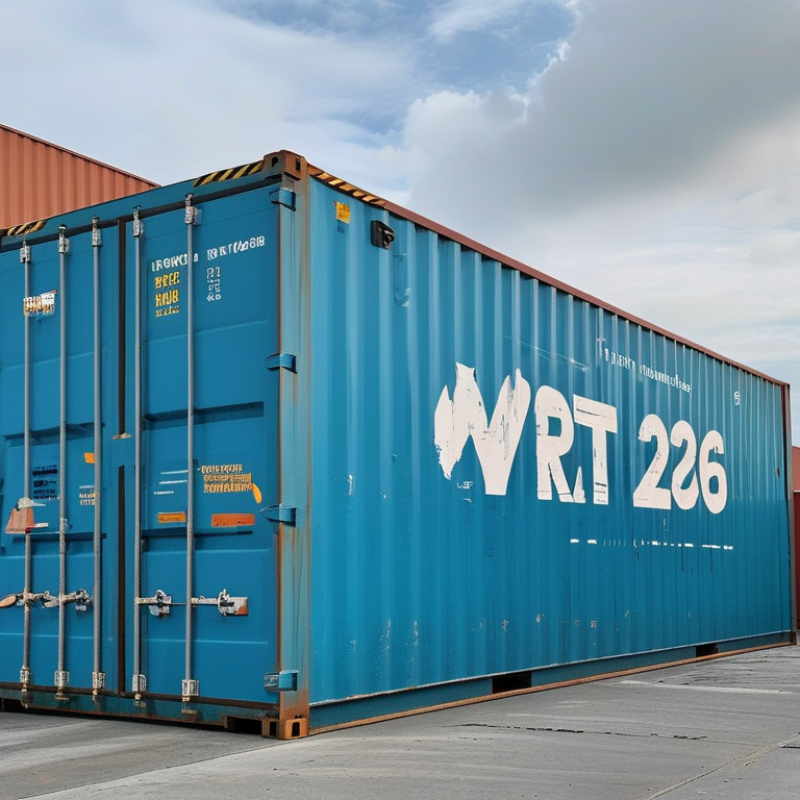
A shipping container is a reusable steel unit built to move cargo between transport systems. It can transfer from ship to rail, truck, or storage without unloading its contents. Standard dimensions support efficient handling at ports and warehouses. Corner castings, locking bars, and reinforced floors enable lifting and stacking. The CSC safety plate confirms key inspection and structural information. However, a container is not automatically suitable for every cargo type.
Dry containers handle most boxed, palletized, and general goods. Refrigerated containers control temperature for sensitive products. Open-top units support tall cargo, while flat racks suit heavy or unusually shaped loads. Each type has different payload limits, internal clearances, and maintenance concerns. A clean interior matters. So does a sound door seal. Small floor damage can become a costly problem during long-distance transport.
For global buyers, the container links distant suppliers with predictable logistics. It also provides temporary storage during construction, relocation, or seasonal distribution. Buyers should check dimensions, tare weight, payload, corrosion, flooring, and inspection records. Local port rules may differ, even when container standards appear similar. The word “standard” can mislead. A used unit may look strong outside but hide weakened metal, damp flooring, or damaged locking parts. Careful inspection remains more reliable than photographs alone.