How to Optimize Your Shipping with 40 ft Container Tips?
Shipping logistics is the backbone of global trade. A crucial element in this process is the 40 ft container. According to a recent report by the International Journal of Shipping and Transport Logistics, over 70% of all international shipments utilize standard containers. This statistic emphasizes the importance of optimizing shipping strategies to enhance efficiency and reduce costs.
Shipping expert, Dr. James Thompson, recently noted, "Maximizing the capacity of a 40 ft container can lead to significant savings." His insights reveal that many businesses overlook the potential of proper space utilization. For instance, calculating the volumetric weight of goods can prevent underutilization. This is essential, especially when shipping heavy items that take up precious space.
Companies need to rethink their container usage to stay competitive. Simple adjustments can lead to better outcomes. Often, businesses do not fully leverage the 40 ft container's capacity. Despite its advantages, challenges remain. Failing to analyze shipping routes and load configurations can lead to costly delays. Thus, it is vital for companies to reflect and adapt their shipping practices continuously.
Understanding the Basics of 40 ft Container Shipping
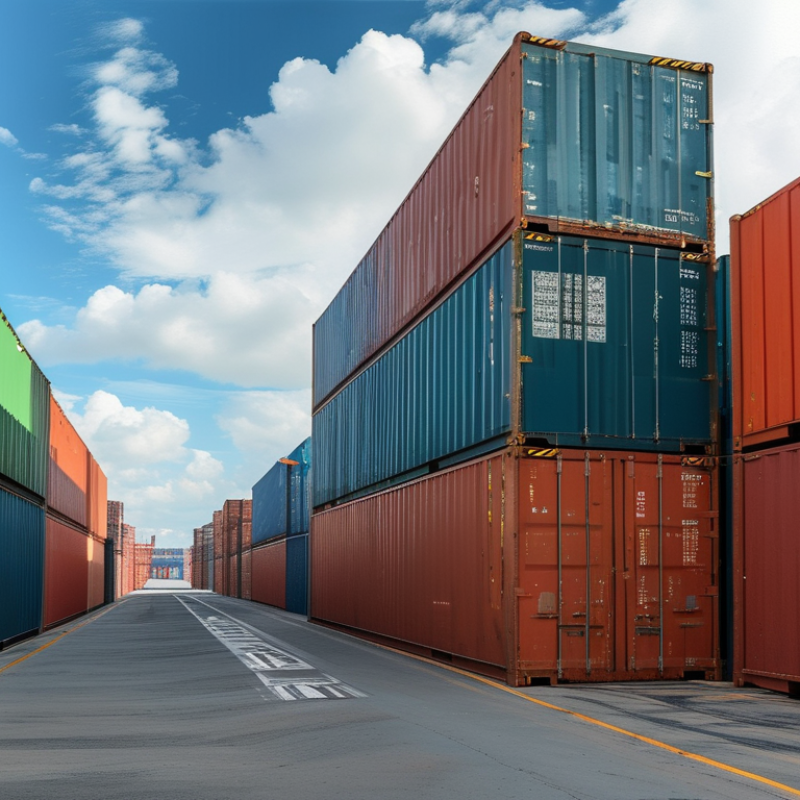
Understanding the basics of 40 ft container shipping is essential for anyone involved in logistics. A standard 40 ft container can hold about 67 cubic meters of cargo. This allows for significant shipping capacity, making it a popular choice for international transport. Knowing the dimensions and capacity helps in planning your shipments efficiently.
Weight distribution is crucial when loading a container. Overloading one side can damage the container and affect transport safety. Properly balancing the load within the container can prevent shipping delays or costly fines. Always aim to use packing materials that offer stability to your goods. Avoid loose items, as they can shift during transit, causing potential damage.
It's important to be aware of the shipping routes. Some routes may experience delays due to weather or port congestion. Anticipating these issues can save time and resources. Communication with logistics providers is key. They can offer real-time updates and alternatives. Reflecting on past shipments can provide valuable insights for future planning. Consider what worked well and what didn’t.
How to Optimize Your Shipping with 40 ft Container Tips?
| Tip |
Description |
Best Practices |
Estimated Cost Savings (%) |
| Optimize Loading |
Ensure maximum space utilization in the container. |
Use packing tools to distribute weight evenly. |
10% |
| Choose the Right Carrier |
Select carriers based on cost, reliability, and speed. |
Research carriers and check reviews. |
15% |
| Plan Shipping Schedules |
Align shipment timings with demand forecasts. |
Review market trends regularly. |
5% |
| Regular Container Maintenance |
Inspect containers for damages before loading. |
Follow a maintenance schedule. |
2% |
| Use Technology |
Implement software for tracking and optimization. |
Invest in a good logistics management system. |
20% |
Key Factors Influencing Shipping Costs and Efficiency
When it comes to shipping, several key factors can significantly influence costs and efficiency. The dimensions and weight of your cargo play a critical role. A 40 ft container offers substantial space, but filling it optimally is essential. Analyze the weight distribution. Uneven loading can lead to increased shipping fees or damage during transit.
Another aspect to consider is the choice of shipping route. Shorter routes may promise speed but often come with higher costs. Understanding seasonal trends in shipping can also help. For instance, busy seasons often lead to price hikes. Planning shipments during these times requires careful analysis to avoid unexpected expenses.
Monitoring fuel costs can also provide insights. Fluctuations impact shipping fees directly. Stay informed about the market trends related to fuel, as they may affect your bottom line. Regularly reviewing and adjusting your shipping strategy is critical. Be prepared to pivot based on changing circumstances. This proactive approach can enhance your shipping operations significantly.
Best Practices for Loading and Securing a 40 ft Container
Loading a 40 ft container efficiently requires careful planning and execution. The optimal way to utilize space involves understanding weight distribution. According to industry reports, a container should never exceed a safe load limit of approximately 30,480 kg. Distributing this weight evenly helps avoid issues during transportation.
When securing cargo, using proper dunnage is vital. This material can prevent movement within the container. Studies show that improper loading can lead to cargo damage, costing businesses thousands in losses. Standard practices recommend using straps, nets, and blocks to stabilize the load.
It's essential to inspect cargo before loading. Damaged items can compromise the integrity of the entire shipment. Furthermore, taking a moment to check the container itself ensures it’s free of hazards. Small oversights can lead to bigger problems during transit. Regular training on best practices for loading can help reduce human error. Familiarity with these techniques can greatly enhance the reliability of shipping operations.
Choosing the Right Shipping Method for Your 40 ft Container
Choosing the right shipping method for your 40 ft container is crucial for efficiency and cost-effectiveness. When assessing options, consider both ocean freight and intermodal shipping. Ocean freight is ideal for bulk shipments, offering lower transportation costs over long distances. However, be mindful of potential delays due to port congestion. Intermodal shipping combines rail and road transport. It provides flexibility but can introduce scheduling complexities.
Evaluating the specific needs of your cargo is essential. Evaluate factors like delivery time, budget, and destination accessibility. Some goods require temperature control, while others need faster delivery. Finding the right balance between speed and cost can be challenging. It's advisable to communicate with shipping experts who understand these dynamics. Their insights can help you navigate common pitfalls, like unexpected fees or misaligned shipping schedules.
In addition to choosing a method, proper documentation is vital. Ensure all paperwork is accurate and complete. Missing or incorrect information can lead to costly delays. Reflect on past shipping experiences to improve future practices. Each shipment teaches valuable lessons. An awareness of these details enhances reliability and establishes stronger partnerships with shipping providers.
Optimizing Your Shipping Cost for a 40 ft Container
This chart represents the average shipping costs for different methods of transporting a 40 ft container. Understanding these costs can help you choose the most effective shipping strategy.
Managing Documentation and Compliance in Container Shipping
When managing documentation in container shipping, accuracy is crucial. Missteps can delay shipments or incur extra costs. Always ensure that paperwork aligns with the packages you’re sending.
Documentation includes bills of lading, invoices, and packing lists. Double-check these documents to prevent issues at customs.
Compliance is another vital aspect. Regulatory requirements vary by country. Being aware of these regulations helps avoid fines or shipment holds. Familiarize yourself with local laws where your shipments are destined.
It’s necessary to research and even consult experts if needed.
Staying organized is key. Create a checklist for all documentation and compliance requirements. This practice can help minimize errors. Reflect on past shipments to identify areas for improvement. Learning from previous experiences can enhance your shipping processes.