How to Find One Way Shipping Containers for Sale?
The global container market is shaped by trade flows, equipment shortages, and repositioning costs. UNCTAD’s Review of Maritime Transport 2024 reports that more than 80% of global merchandise trade by volume moves by sea. This scale explains why container availability can change quickly between ports, seasons, and trade lanes.
For buyers, one way shipping containers offer a practical alternative to standard fleet equipment. These units may have completed one international journey, then become available near an import-heavy market. A 20-foot container might arrive with clean flooring, secure door gaskets, and only minor exterior scratches. Condition varies.
That detail matters.
Industry guidance from the Institute of International Container Lessors highlights the importance of structural inspection, CSC safety requirements, and accurate equipment records. Buyers should therefore verify the container’s age, ownership, inspection history, and current location before paying a deposit. The World Shipping Council also emphasizes that safe container operations depend on proper condition, handling, and compliance throughout the supply chain.
Price alone is an unreliable filter. A cheaper unit may require crane fees, inland trucking, repairs, or extra treatment before use. Quotes from Container xChange market reports also show how container prices and availability differ substantially by region and equipment type.
This guide explains how to locate reputable sellers, compare delivered costs, inspect one way shipping containers, and avoid vague listings. The process is not always simple. A “one-trip” label can be misunderstood, and buyer assumptions deserve careful checking.
What Are One-Way Shipping Containers?
One-way shipping containers are cargo boxes moved from a manufacturing location to a destination only once. They are also called “one-trip” containers. After unloading, the owner sells them locally instead of sending them back empty.
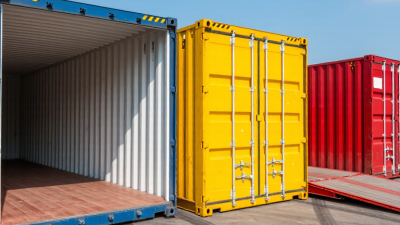
Most are manufactured overseas and shipped with export cargo inside. Their steel panels usually show limited wear, while the wooden floor remains clean and firm. A typical unit has cargo doors, ventilation openings, corner castings, and a standard ISO frame. However, “one-way” does not mean untouched. Small dents, scratched paint, or minor surface rust can still appear after handling.
UNCTAD’s Review of Maritime Transport 2024 reports global container port throughput of about 866 million TEUs in 2023. That scale explains why surplus containers often remain near busy ports. Availability can be better there than inland. The report also shows how changing trade flows affect container positioning and resale markets.
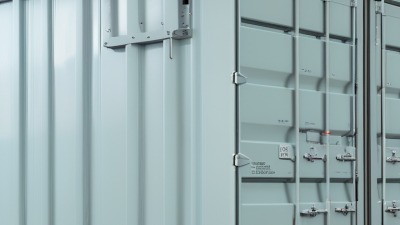
Check the container in person when possible. Inspect door seals, floor boards, roof lines, corner posts, and the underside. A seller’s photos may hide water stains or repairs. Ask for the manufacture date, inspection records, and exact external dimensions. A 20-foot container may fit a narrow site better, while a 40-foot high-cube offers more usable height. The wording can be imperfect. “New” sometimes means new to the buyer, not factory-new.
How to Find One-Way Shipping Containers for Sale?
What Are One-Way Shipping Containers?
One-way shipping containers are generally used for a single delivery route or a limited number of trips before being sold or repositioned. They are often available in standard ISO sizes and may have less wear than frequently circulated containers. The chart compares typical internal volumes for common dry-container sizes; exact specifications can vary by manufacturer and model.
Why Choose One-Way Containers for Your Shipping Needs?
How to Find One Way Shipping Containers for Sale
One-way shipping containers are often selected for their cleaner condition and limited travel history. They usually carry cargo from the manufacturing point to one destination. After delivery, they may be sold locally at a competitive price. This can mean fewer dents, less floor damage, and tighter door seals than heavily used containers. Still, “one-way” is not a guarantee of perfection. I have seen newer units with small scratches, uneven paint, or minor handling marks.
Choose one based on your actual shipping needs. A 20-foot container suits compact loads and narrow delivery spaces. A 40-foot model offers more volume but needs careful access planning. Check the steel panels, roof, locking bars, wooden floor, and rubber seals before paying. Ask for recent photos, inspection details, manufacturing information, and documents showing whether the unit is approved for your intended route. Reliable sellers should explain delivery charges, unloading requirements, and local compliance rules clearly.
Tips: Measure the entrance twice. Confirm the container’s external and internal dimensions. Inspect corner posts for twisting or impact damage. Request a written condition report. Do not rely only on the phrase “one-way.” Ask how the unit was handled, where it is stored, and whether repairs were completed. A professional inspection may cost more, but replacing a poor container costs far more. Availability also changes quickly, so compare condition rather than choosing the lowest price.
How to Evaluate Container Condition, Size, and Features
When comparing one-way shipping containers for sale, inspect condition before price.
Drewry’s Container Census 2024 estimates the global container fleet at more than 50 million TEU. That scale creates wide quality differences. Ask for recent interior, roof, floor, door, and corner-post photos. Check for daylight through the roof or walls. Inspect floorboards for soft spots, chemical stains, and deep grooves. Look for working door gaskets and locking bars. A fresh paint layer may hide corrosion. I would not trust photos alone.
Size affects both storage and delivery cost.
A standard 20-foot container provides roughly 33 cubic meters of internal space. A 40-foot unit provides about 67 cubic meters. A 40-foot high-cube model offers approximately 76 cubic meters. Confirm internal dimensions, door opening, tare weight, and maximum payload from the data plate. Do not estimate by eye. The wrong size wastes space.
Features also require verification.
Confirm ISO 6346 identification markings and a valid CSC safety plate when the container will enter regulated transport service. UNCTAD’s Review of Maritime Transport 2024 highlights the continuing importance of containerized trade to global supply chains, but standards do not guarantee perfect condition. Ask about last use, repair history, and wind-and-watertight testing. Small defects matter. A slightly uneven door can become a serious problem after loading. My evaluation may still miss hidden corrosion, so an independent inspection remains the safer choice.
How to Complete the Purchase and Arrange Delivery
How to Find One Way Shipping Containers for Sale?
Purchase decisions should begin with the container’s final destination. A one-way container may have limited previous use, but its condition still requires inspection. Ask for build year, CSC plate details, floor condition, door seals, and photographs of every corner. UNCTAD’s Review of Maritime Transport 2024 reported that global container ship capacity increased by about 8.8% in early 2024. This suggests wider availability, but local stock can change quickly. Request a written quotation showing the container price, taxes, inspection fees, and delivery charges. A low headline price can hide expensive inland transport. I have seen buyers overlook this.
Tips: Compare at least three written offers. Confirm dimensions, availability, and payment milestones. Avoid vague delivery promises.
Arrange delivery only after checking access to the site. Measure gate width, turning space, overhead cables, and ground strength. A standard 20-foot container can weigh several tonnes when empty. The seller should confirm the truck type, unloading method, and appointment window. UNCTAD also noted continuing pressure on maritime routes and port operations in its 2024 review. Delays can therefore affect repositioning and final delivery. Ask who pays storage or waiting charges. Put every responsibility in writing. Delivery planning is not glamorous, but it prevents costly surprises. Even careful estimates can fail when roads are narrow or soil becomes soft after rain.