2026 Best Cube Shipping Containers for Global Buyers?
Choosing the right cube shipping containers in 2026 requires more than comparing prices and exterior dimensions. Global buyers must examine cargo volume, steel quality, floor strength, door operation, certification records, and available transport routes. A container that looks inexpensive may create higher costs through repairs, storage delays, or limited repositioning options.
John Fossey, a respected container equipment analyst at Drewry, has stated, “The right container is not simply a box; it is a controlled logistics asset.” That principle remains useful for buyers evaluating standard, high-cube, insulated, refrigerated, and modified units. Each type serves a different operational purpose. A high-cube container can provide extra vertical capacity for light machinery or retail stock. A refrigerated model needs dependable temperature control, clean interiors, and documented maintenance. Small details matter. Check the door gasket. Inspect the floor. Review the CSC plate and inspection history.
This guide examines the best cube shipping containers for global buyers in 2026, with attention to practical performance rather than attractive listings. It considers supplier reliability, manufacturing consistency, delivery coverage, customization quality, and total ownership cost. Regional availability can change quickly. So can steel prices and freight rates. That makes fixed rankings imperfect. Buyers should still question them.
A container may be excellent for one route and unsuitable for another. Port restrictions, climate, cargo weight, and unloading equipment all influence the final decision. Experienced buyers usually request photographs, technical specifications, warranty terms, and independent inspection evidence before payment. Good documentation protects budgets. It also exposes weak suppliers early.
Define High-Cube Containers: ISO 668 Height of 2,896 mm (9 ft 6 in)
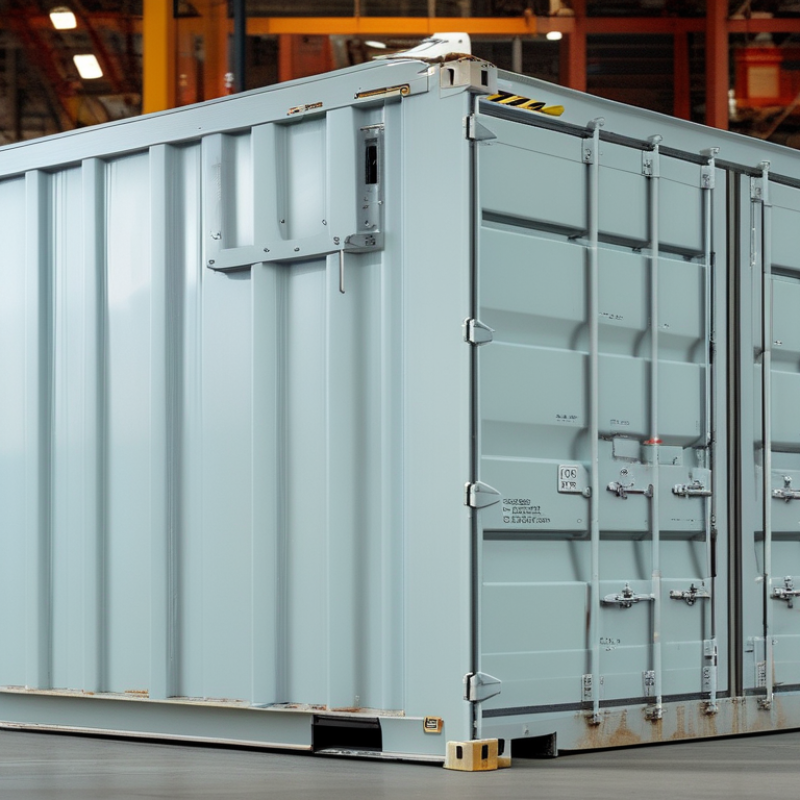
High-cube shipping containers give global buyers extra vertical space without increasing the standard footprint. Under ISO 668, their nominal external height is 2,896 mm, or 9 ft 6 in. This dimension separates them from standard-height containers, which are normally 2,591 mm tall. The additional 305 mm can accommodate taller machinery, stacked cartons, or protective air gaps. That space matters.
In practical purchasing, measure the cargo first. A 2,896 mm exterior height does not equal the usable internal height. Flooring, roof ribs, door headers, and manufacturing tolerances reduce clearance. A high-cube unit may offer about 2,690 mm of internal height, but buyers should confirm the supplier’s technical drawing. Measure twice. A catalog figure is not a loading plan.
Experienced logistics teams also check door opening dimensions, corner castings, gross weight, and lifting points. Route planning matters because some chassis, warehouse doors, bridges, or port handling systems have height limits. Inspect the container for roof dents, corrosion, damaged seals, and uneven flooring before loading. Repairs can change internal measurements slightly. This detail is easy to overlook.
ISO 668 helps establish a reliable dimensional reference, but it does not replace inspection. Buyers should request current measurements, photos, inspection records, and applicable safety documentation. High-cube containers are valuable for volume, yet extra height can create handling complications. The best choice depends on cargo shape, route restrictions, and actual loading conditions.
2026 Best Cube Shipping Containers for Global Buyers?
High-Cube Containers: ISO 668 Height of 2,896 mm (9 ft 6 in)
High-cube containers provide 305 mm (1 ft) more nominal external height than standard-height containers.
Under ISO 668 height classifications, standard containers are 2,591 mm (8 ft 6 in) high, while high-cube
containers are 2,896 mm (9 ft 6 in) high. The 20-foot and 40-foot labels indicate nominal container length;
actual internal dimensions, tare weight, payload, and door openings can vary by container specification.
Reference: ISO 668 nominal external height classifications.
Compare 20-Foot and 40-Foot High-Cubes: 37.4 m³ vs 76.4 m³
2026 Best Cube Shipping Containers for Global Buyers?
For global buyers, cube height matters as much as container length. A 20-foot high-cube typically offers about 37.4 m³ of internal volume. A 40-foot high-cube provides approximately 76.4 m³. The larger unit delivers just over twice the space, not merely twice the length.
Space is not free.
In practical loading work, the 20-foot high-cube suits dense cargo, mixed cartons, and smaller order volumes. Its shorter floor reduces shifting risks and makes warehouse loading easier. The 40-foot model fits larger shipments and usually lowers transport cost per cubic metre. However, its long floor can create empty pockets when carton sizes vary. Poor pallet planning wastes capacity quickly.
Measure twice.
Actual usable volume falls below the published figure because of wall thickness, door clearance, pallets, and bracing. I recommend checking carton dimensions against the internal door opening, not only the listed cubic capacity. Inspect the floor for damage, confirm door seals, and verify the container’s safety certification before loading. A clean interior is useful, but structural condition matters more.
Buyers should also compare destination handling, road access, terminal limits, and unloading equipment. A 40-foot high-cube may look efficient on paper, yet a restricted site can make delivery slower and more expensive. I once underestimated this access issue during a loading plan. The volume calculation was correct, but the delivery route was not. That mistake still deserves attention.
Verify CSC Safety Plates and the 30,480-kg Maximum Gross Mass
For 2026 cube container purchases, the CSC safety plate deserves more attention than paint, floor condition, or exterior appearance. It confirms that the unit has passed required structural safety examinations for international transport. Inspect the plate before payment, not after delivery. Check the approval number, manufacturer details, manufacture date, maximum gross mass, and examination information. The plate should be firmly attached and clearly readable.
The 30,480-kg maximum gross mass is a critical limit, not a suggested target. It includes the container, cargo, pallets, packaging, and securing equipment. A container weighing 3,900 kg leaves about 26,580 kg for cargo, if its plate confirms that rating. Do not rely on a seller’s listing alone. Compare the plate with weighing records and shipping documents. A small calculation error can create serious handling problems.
Look closely for bent corner posts, cracked welds, distorted doors, or corrosion around the bottom rails. These defects may not appear in photographs. Ask for recent inspection evidence and confirm whether the examination remains valid under the stated inspection system. Rules and carrier requirements can differ by route, so verification with a qualified inspector is sensible. Even experienced buyers sometimes focus on capacity and overlook plate condition. That assumption needs correction. A clean-looking high-cube container can still have an unreadable plate or an unsuitable gross-mass rating. Reliability starts with physical evidence, not confident wording.
Assess Payload: About 28,000 kg After Typical Tare Weight
2026 Best Cube Shipping Containers for Global Buyers?
For a 40-foot high-cube container, payload claims need careful checking. ISO 668:2020 sets a common maximum gross mass of about 30,480 kg for many standard units. Typical tare weight ranges from 3,900 to 4,300 kg. That leaves roughly 26,180–26,580 kg of practical cargo capacity, not a guaranteed 28,000 kg.
The number looks attractive. It can still mislead. A 28,000 kg payload requires a tare near 2,480 kg, which is uncommon for a 40-foot high-cube unit. Drewry’s Container Census reports continued fleet growth, but equipment specifications still vary by manufacturing series, flooring, doors, and owner modifications. Check the door plate, CSC safety plate, and verified weighbridge ticket before booking. The vessel, road, or terminal may apply lower limits. Local axle rules can reduce usable payload further.
Tips: Treat 28,000 kg as a planning target, not an automatic allowance. Weigh the loaded container, including pallets, blocking, and packaging. Leave a small safety margin. Uneven loading can also create axle problems, even when the total weight appears legal. I would reject any listing that shows capacity without tare weight, maximum gross mass, and inspection details. A spreadsheet estimate is useful, but it is not proof. UNCTAD’s Review of Maritime Transport also highlights persistent pressure on port and logistics networks, so accurate weight data helps prevent avoidable delays.
Rank New, One-Trip, and Used Containers for 2026 Global Buyers
2026 Best Cube Shipping Containers for Global Buyers?
For 2026, high-cube containers should be ranked by condition, not appearance. New containers offer clean interiors, consistent flooring, and the longest service life. One-trip units usually provide the best balance. They travel once from the factory, then enter the resale market. Used containers cost less, but corrosion, repairs, and uneven doors need careful inspection. UNCTAD’s Review of Maritime Transport 2024 expects seaborne trade to grow, increasing demand for dependable equipment across major routes.
One-trip containers often suit exporters needing a professional presentation and fewer repair delays. New units fit long-term storage or repeated international use. Used units can work for short projects, but their condition varies sharply by depot and climate. A container may look sound outside while showing soft flooring inside. That is easy to miss. Buyers should verify the CSC safety plate, ISO dimensions, tare weight, door seals, and recent inspection records. The World Bank’s Logistics Performance Index 2023 also highlights reliability and shipment quality as important logistics factors, not just price.
Tips: Request dated photos of the roof, floor, corner posts, and locking bars. Ask about previous cargo and repair history. Leave budget for local transport, port charges, and possible repainting. I would not rank the cheapest used unit first without an independent inspection. Low purchase prices can become expensive after delivery.
2026 Best Cube Shipping Containers for Global Buyers? - Rank New, One-Trip, and Used Containers for 2026 Global Buyers
Comparison of common high-cube and standard intermodal container options for international cargo, storage, and project use.
| Rank |
Container condition |
Recommended format |
Typical external dimensions
(L × W × H) |
Approx. internal volume |
Typical tare weight |
Maximum gross mass* |
Typical payload* |
Best use |
Buyer assessment |
| 1 |
New production |
40-foot high cube
ISO intermodal type
|
12.192 × 2.438 × 2.896 m
40 × 8 × 9 ft 6 in
|
Approximately 76.4 m³ |
About 3,900–4,200 kg |
Usually up to 30,480 kg |
Approximately 26,280–26,580 kg |
Maximum cubic capacity, export cargo, machinery, furniture, and long-term storage
|
Highest consistency, cleanest interior, lowest immediate repair risk, and strongest appearance. Usually the best choice when condition and predictable service are more important than initial cost.
|
| 2 |
One-trip / cargo-new |
40-foot high cube
Previously used for one loaded voyage
|
12.192 × 2.438 × 2.896 m
40 × 8 × 9 ft 6 in
|
Approximately 76.4 m³ |
About 3,900–4,300 kg |
Usually up to 30,480 kg |
Approximately 26,180–26,580 kg |
International shipping, secure storage, building projects, and buyers seeking near-new condition
|
Strong balance between appearance, availability, and value. Inspect for dents, floor wear, door-seal condition, corrosion, and a valid CSC safety plate before purchase.
|
| 3 |
Used cargo-worthy |
40-foot high cube
Age and condition vary
|
12.192 × 2.438 × 2.896 m
40 × 8 × 9 ft 6 in
|
Approximately 76.4 m³ |
About 3,700–4,500 kg |
As stated on the CSC plate |
Maximum gross mass minus actual tare weight |
Cost-sensitive storage, domestic repositioning, workshops, and non-critical cargo
|
Lowest upfront cost, but condition differs substantially. Require a wind-and-watertight inspection, sound doors, usable floorboards, intact corner castings, and no structural distortion.
|
| 4 |
New production |
20-foot high cube
Compact high-volume option
|
6.058 × 2.438 × 2.896 m
20 × 8 × 9 ft 6 in
|
Approximately 37.5 m³ |
About 2,300–2,500 kg |
Usually up to 30,480 kg |
Approximately 27,980–28,180 kg |
Dense or heavy cargo requiring extra height without the footprint of a 40-foot container
|
Efficient where site space or cargo weight limits the use of a longer container. Availability can be more limited than 20-foot standard or 40-foot high-cube units.
|
| 5 |
Used cargo-worthy |
20-foot standard height
Most widely used compact format
|
6.058 × 2.438 × 2.591 m
20 × 8 × 8 ft 6 in
|
Approximately 33.2 m³ |
About 2,200–2,400 kg |
Usually up to 30,480 kg |
Approximately 28,080–28,280 kg |
Heavy cargo, smaller sites, general storage, and projects prioritizing handling flexibility
|
Practical and often economical, but it provides less internal height and volume than a high-cube unit. Confirm the actual tare, CSC status, floor condition, and cargo suitability.
|
Specification notes:
Dimensions and weights are typical ISO container values and may vary by construction series, door design, flooring, and individual unit. The permitted maximum gross mass and payload must always be verified on the container’s CSC safety approval plate and supporting shipping documents. Payload is calculated as maximum gross mass minus the actual tare weight; road axle limits, port rules, and national regulations may impose lower limits.