In 2026, the right sea container depends less on a trend than on the cargo, route, and handling plan. Standard dry containers remain a practical choice for boxed goods, furniture, and equipment. High-cube models provide extra interior height, which can help with tall or bulky loads. Need temperature control? Refrigerated containers use powered cooling systems, so buyers should check power access and operating requirements before booking.
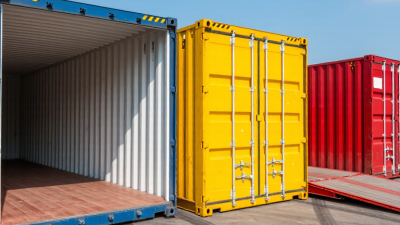
Other designs solve more specific problems. Open-top containers allow loading from above, while flat racks suit oversized cargo that cannot fit inside enclosed walls. Tank containers are built for compatible liquids and gases, subject to the equipment’s specifications. Side-opening units can make access easier when cargo must be loaded along the container’s length. Useful options, but not interchangeable.
Choosing well takes more than comparing names. Confirm internal dimensions, payload limits, door openings, and equipment condition with a qualified supplier or carrier. Specifications can vary by model and manufacturer. A container that fits on paper may still be difficult to load or secure in practice. That detail is easy to miss. This guide explores the leading sea container types and where each may be useful, while noting the trade-offs behind common choices. The “top” option is not always the most familiar one. A careful match between container, cargo, and transport plan is usually the more reliable starting point.
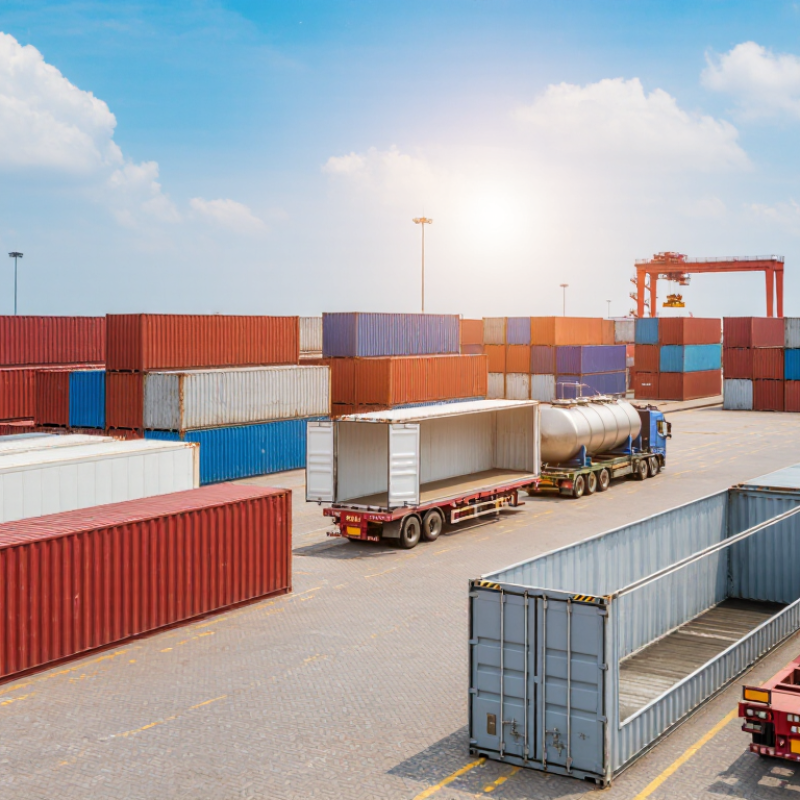
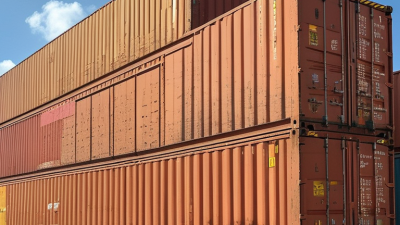
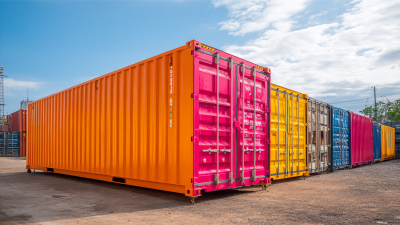
Sea containers are classified by their design and the cargo they can safely carry. Standard dry containers suit boxed goods, furniture, and palletized products that need protection from weather. They have solid walls and doors at one end. High-cube units provide extra interior height, which helps with tall loads or bulky, lightweight cargo. A few inches can matter.
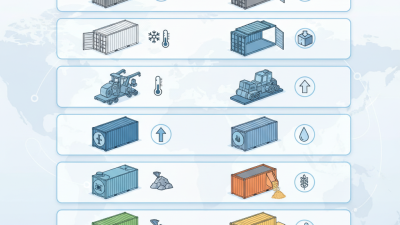
Refrigerated containers control temperature for chilled or frozen goods. Their performance depends on the set temperature, airflow, and how cargo is loaded; blocking vents can disrupt circulation. Open-top designs allow loading from above, useful for tall machinery or goods lifted by crane. Flat racks have end walls but open sides, making them practical for oversized equipment. Fit matters. Cargo dimensions and securing points need careful checking.
Tank containers carry liquids or gases in a vessel held within a protective frame. Dry, temperature-controlled, open-top, flat-rack, and tank designs are not interchangeable, even when a shipment seems to fit. In practice, categories can blur: a machine may fit inside a dry unit but still require a flat rack for safe loading. That distinction is easy to overlook. Before choosing, confirm the container’s internal dimensions, payload rating, temperature range, and loading method against the actual cargo.
| Container Type | Design and Key Features | Typical Cargo | Common Size or Capacity | Classification by Use |
|---|---|---|---|---|
| 20-Foot Standard Dry | Enclosed steel container with solid walls, a roof, and end doors. Designed for general cargo that does not require temperature control. | Packaged goods, machinery, furniture, building materials, and dense cargo. | Approximately 5.90 m internal length; about 33 m³ internal volume. Payload varies by container and route regulations. | General-purpose; suited to heavier cargo that fits within a shorter container. |
| 40-Foot Standard Dry | Enclosed general-purpose container with roughly twice the floor length of a 20-foot unit. | Cartons, consumer goods, textiles, furniture, and other non-temperature-sensitive cargo. | Approximately 12.03 m internal length; about 68 m³ internal volume. Payload depends on tare weight and the permitted gross mass. | General-purpose; suited to larger-volume shipments. |
| 40-Foot High-Cube | Similar to a standard 40-foot dry container but taller, providing additional internal height and volume. | Bulky, lightweight cargo; tall pallets; furniture; and goods that benefit from extra vertical space. | Approximately 2.69 m internal height; about 76 m³ internal volume. | High-volume general cargo; not necessarily higher payload than a standard container. |
| Refrigerated Container (Reefer) | Insulated container with an integrated refrigeration unit. Requires an external power supply while operating. | Fresh or frozen food, pharmaceuticals, and other temperature-sensitive products. | Commonly available in 20-foot and 40-foot sizes. Usable internal space is reduced by insulation and refrigeration equipment. | Temperature-controlled cargo; settings and airflow requirements depend on the shipment. |
| Open-Top Container | Container with a removable roof cover, allowing cargo to be loaded from above; often equipped with lashing points. | Oversized machinery, timber, scrap, and cargo that is difficult to load through end doors. | Commonly available in 20-foot and 40-foot lengths. Internal dimensions can differ from dry-container specifications. | Top-loaded or over-height cargo; cargo protection depends on the cover and loading arrangement. |
| Flat-Rack Container | Open platform with end walls that may be fixed or collapsible; no full side walls or roof. | Vehicles, industrial equipment, pipes, large machinery, and other out-of-gauge cargo. | Commonly built on 20-foot or 40-foot frames. Payload and permitted cargo dimensions vary by unit. | Heavy, wide, or unusually shaped cargo secured to the platform. |
| Tank Container | A cylindrical tank mounted within a standard-sized protective frame, designed for bulk liquid or gas transport. | Food-grade liquids, chemicals, and other compatible bulk liquids or gases. | Usually carried in a 20-foot frame; tank capacity commonly ranges from about 21,000 to 26,000 litres. | Bulk liquid or gas cargo; tank materials and approvals must match the cargo and applicable regulations. |
| Ventilated Container | Enclosed container with designed ventilation openings that allow controlled air circulation. | Cargo that benefits from airflow, such as certain coffee beans, cocoa, or other suitable agricultural products. | Often available in a 20-foot format; exact internal space and ventilation design vary. | General cargo requiring ventilation; not a substitute for refrigerated transport. |
| Insulated Container | Thermally insulated walls help reduce heat exchange; unlike a reefer, it does not usually have its own powered cooling unit. | Goods that need protection from short-term temperature changes during transport. | Sizes and internal dimensions vary by design; insulation reduces usable space. | Temperature-sensitive cargo when active refrigeration is not required or is provided separately. |
| Dimensions and capacities are approximate examples for common container formats. Exact internal measurements, tare weight, payload, temperature range, and permitted gross mass vary by container specification, condition, carrier, and applicable transport rules. | ||||