What Are the Top Types of One Trip Containers?
One trip containers are usually shipped once from their place of manufacture before being sold for reuse. They often have cleaner interiors and less wear than older cargo containers, though condition varies. “One trip” is a useful description, not a guarantee of perfect condition. Check the actual unit, its specifications, and the supplier’s condition report.
The right type depends on what you need to store or move. Standard dry containers suit boxed goods, tools, and household items. High-cube models provide extra vertical space, which can help with taller equipment or bulky loads. Need temperature control? A refrigerated container may fit, but it requires a reliable power source and careful setup. Open-top and open-side designs make loading certain oversized or awkward items easier. Flat racks support cargo that does not fit within enclosed walls, subject to the unit’s stated capacity and handling requirements.
Details matter. A high-cube container may seem ideal, but access, ground clearance, ventilation, and delivery space can change the decision. Available sizes and features vary by supplier and location. Compare measurements and inspect doors, seals, flooring, and visible damage before choosing. This guide looks at the top types of one trip containers, what each is designed for, and where its practical limits may appear. No single option works for every project. That is worth remembering.

Standard One-Trip Shipping Containers
Standard One-Trip Shipping Containers
Standard one-trip shipping containers are new or near-new dry freight units, typically shipped once from their place of manufacture. They are not necessarily unused. Expect small handling marks, light floor scuffs, or minor paint variations. That distinction matters when appearance and condition affect your project.
Common choices include 20-foot and 40-foot units, plus 40-foot high-cube models. Under ISO 668, a standard 20-foot container is about 6.06 metres long and 2.44 metres wide externally. A standard 40-foot unit is about 12.19 metres long. High-cube containers add roughly 30 centimetres of height, useful for taller equipment or bulky furnishings. Measure doors and access routes, too. The opening is smaller than the container’s exterior dimensions, and a tight site can turn delivery into a headache.
These containers use corrugated steel walls, a steel frame, and a marine-grade plywood floor. Their actual payload and condition vary by model, so check the data plate and inspect the doors, seals, floor, and corners before purchase. UNCTAD’s Review of Maritime Transport 2024 reports that global container port throughput reached about 858 million TEUs in 2023. That scale helps explain why standardized dimensions matter across transport networks, but it does not guarantee a specific unit’s quality. One-trip can sound perfect; it is still worth checking the details.
High-Cube One-Trip Shipping Containers
High-cube one-trip shipping containers provide extra vertical space for bulky cargo, tall equipment, or stacked cartons. Their exterior height is commonly 9 feet 6 inches, about one foot taller than a standard container. Internal clearance varies by model, so check the actual measurements before planning a load. That extra room can make handling easier. It may also allow shelving or lighting without crowding the ceiling. Measure twice.
“One-trip” usually describes a container built for export and used on a single cargo journey. It does not guarantee flawless condition. Look closely at the roof, floor, door seals, and corner posts, and ask for clear photos or an in-person inspection. Check the door opening as well as the interior height; a tall item still needs to pass through the doors. The added height can be useful, but it creates a taller profile that may affect placement and transport planning. I would not choose one on height alone. Compare the dimensions, condition, and intended use before buying.
What Are the Top Types of One Trip Containers? - High-Cube One-Trip Shipping Containers
One-trip describes a container’s limited prior use, not a separate size or design. Dimensions and usable capacity are approximate; they vary by manufacturer and unit. Check the container’s specification plate and measure door openings and interior dimensions before loading.
Open-Top and Hard-Top One-Trip Containers
Open-top and hard-top one-trip containers solve similar loading problems, but their roofs change how crews handle cargo. An open-top unit has a removable tarpaulin and roof bows instead of a fixed roof. It suits tall or awkward loads that need crane access from above. Think machinery with lifting points, or a crate that will not pass through the doors. Check the opening dimensions, not just the container’s outside height. Small detail. Big difference.
A hard-top container uses a rigid roof, often removable for loading and then secured in place. It provides a solid cover during transit and can suit cargo needing overhead access and added roof protection. The roof may be heavy, so confirm the handling method and lifting equipment before delivery. Do not assume every model opens the same way. Ask for drawings and compare door and roof clearances with the actual load. That check can prevent a frustrating surprise on site.
“One-trip” usually describes a container built new and used for one loaded journey, but condition and equipment still deserve inspection. Review the data plate, payload rating, floor, seals, and locking points before acceptance. Plan how cargo will be restrained; a removable roof does not replace proper securing. The best choice depends on cargo shape, weather exposure, lifting access, and unloading space. Open-top offers clear overhead access. Hard-top adds a firm roof when the load allows it. Neither option is automatically better.
Side-Opening and Double-Door One-Trip Containers
Side-opening and double-door one-trip containers solve different access problems.
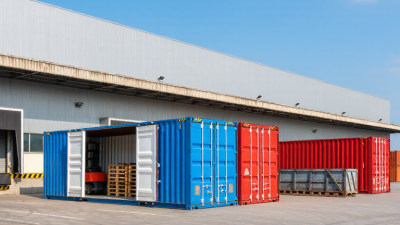
A side-opening model has doors along a long wall, often opening in sections. This creates a broad loading area for long materials, bulky equipment, or goods that are awkward to reach from the end. A forklift can place items across the container’s width, reducing repeated repositioning. Access feels immediate. Yet the doors need clear space outside, and uneven ground can make opening or closing them difficult.
A double-door container has doors at both short ends. This can help when cargo needs to move through the unit or when access from either end suits the site layout. It may also simplify loading separate groups of items from opposite directions.
Check the door hardware, seals, floor, and stated dimensions before choosing; “one-trip” does not guarantee identical condition or suitability. Measure the loading area, too. A wide opening is useful only if there is room to use it safely.
In practice, side-opening units can be less convenient where space is tight, while double-door access may not help with especially wide cargo. The right choice depends on the load, handling equipment, and available clearance.
I would verify those details in person when possible, rather than rely on a label alone.
Refrigerated and Flat-Rack One-Trip Containers
Refrigerated one-trip containers suit cargo that needs a controlled temperature during transit. Their refrigeration units circulate air, so cartons should leave clear airflow channels rather than sit tightly against the walls. The Global Cold Chain Alliance’s 2020 Global Cold Chain Capacity Report estimated worldwide refrigerated warehouse capacity at 719 million cubic metres. That scale reflects the importance of cold-chain links, but a reefer container still needs a suitable setpoint, pre-cooled cargo, and a documented pre-trip inspection. Small mistakes matter. A reefer cannot quickly correct warm cargo packed too tightly.
Flat-rack one-trip containers are designed for cargo that exceeds standard container dimensions or needs loading from the sides or above. Their open sides and end structures make access easier for machinery, timber, or industrial components. ISO 1496-5 sets requirements for platform and platform-based containers, but actual payload and lashing arrangements vary by unit. Check the container’s data plate, floor condition, and securing points before loading. One-trip does not mean risk-free. I would still inspect welds and fittings closely; a rushed visual check can miss damage beneath old paint.
What Are the Top Types of One-Trip Containers?
Refrigerated and flat-rack containers serve different cargo needs. This chart compares representative payload ratings for common 20-foot units.
Refrigerated containers use insulated walls and a refrigeration unit for temperature-sensitive cargo. Flat-rack containers have open sides and are suited to oversized or awkwardly shaped loads. Payload ratings vary by model; always check the container’s rating plate before loading.