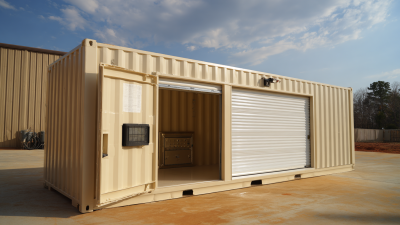
10 Best 40 Foot Storage Containers for Sale in 2026
Choosing among 40 foot storage containers can feel straightforward until delivery day reveals a narrow driveway or uneven ground. These units offer substantial room for equipment, inventory, furniture, or seasonal supplies, but size is only one part of the decision. Door placement, internal dimensions, floor condition, ventilation, and delivery access can all affect how useful a container will be. Small details matter.
This guide to the 10 best 40 foot storage containers for sale in 2026 is designed to help buyers compare options with care. It considers practical factors such as new or used condition, weather protection, locking features, seller transparency, and delivery arrangements. Specifications can vary by model and supplier, so confirm measurements and included features before ordering. Ask how the unit will be unloaded, too; a container that fits on paper may be difficult to position on a real site.
The best choice depends on what you plan to store and where the container will sit. A dry, level base and clear access can make daily use easier, while the wrong location may create avoidable hassles. Prices, availability, and service areas change, so treat listed details as a starting point and verify them directly with the seller. Not every listing is equally clear. Comparing a few carefully may take longer, but it can help you avoid paying for features you do not need—or overlooking one you do.
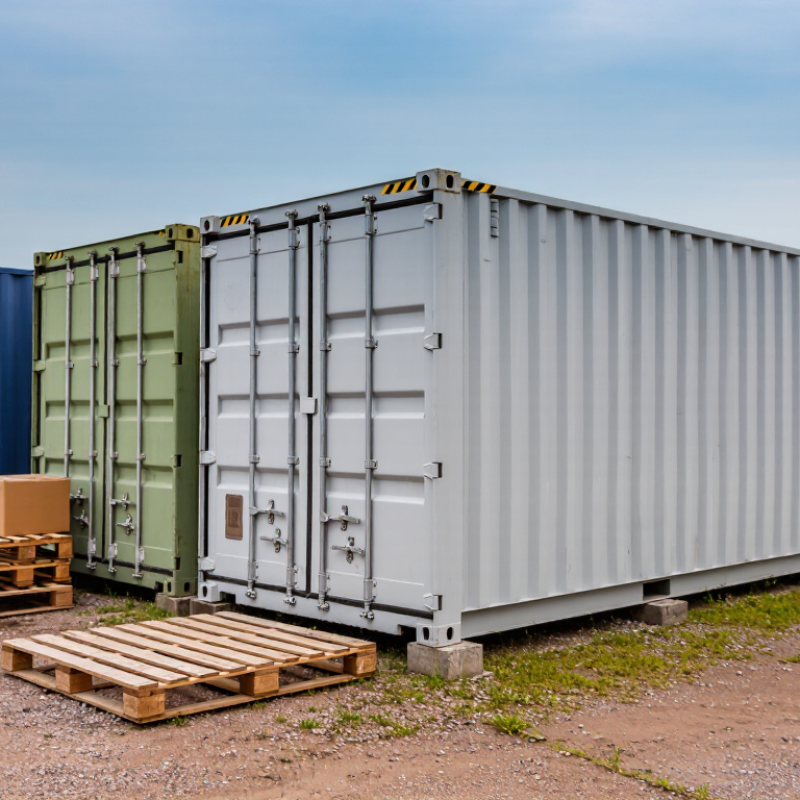
What a 40-Foot Storage Container Is and How It Is Built
A 40-foot storage container is a long, enclosed steel unit used to protect equipment, stock, or household items from everyday exposure. A standard model is about 40 feet long and 8 feet wide, with an exterior height near 8 feet 6 inches. High-cube versions add roughly one foot of headroom. Exact interior dimensions are smaller because walls, flooring, and framing take up space. Measure bulky items and door openings before choosing a unit.
The structure starts with a load-bearing steel frame, including corner posts and reinforced rails. Corrugated steel panels form the side walls and roof, adding stiffness without making the unit solid throughout. The doors use vertical locking bars and rubber seals. The floor is commonly plywood supported by steel cross-members. Check for soft spots, damaged seals, deep rust, and doors that bind. Small defects matter.
A container can resist ordinary rain and wind when its panels, seals, and roof are in sound condition, but it is not automatically climate-controlled. Moisture can still collect inside during temperature changes. Ventilation, a level foundation, and sensible loading help reduce problems. A quick visual check is useful, though it can miss hidden floor damage. I would inspect it in person when possible.
Which Features Matter When Choosing a Container in 2026
When comparing 40-foot storage containers in 2026, start with the job they need to do. Check the usable interior length, width, and height against your largest items, not just the advertised exterior dimensions. Measurements can vary slightly by container type. A few centimeters may matter when shelving or equipment must fit. Also confirm the delivery route and placement area can accommodate a long container and a truck.
Condition deserves close attention. Look for roof dents, rust around corner posts, soft spots in the floor, and daylight around closed doors. Open and shut both doors; stiff hinges or damaged locking bars can become daily annoyances. Ask how the container was graded and whether repairs are documented. For moisture-sensitive goods, inspect door seals and consider ventilation, while recognizing that vents alone cannot control humidity. No checklist catches everything.
Tips: Bring a tape measure and flashlight to an inspection. Photograph questionable areas, then ask the seller for clarification in writing. Check that the floor suits your load, and make sure the doors can swing fully at the planned site. Small details matter. I would still leave room in the budget for minor fixes; a clean-looking exterior is not proof of a dry interior.
Ten 40-Foot Storage Container Options to Compare
A 40-foot storage container can provide substantial space, but the best choice depends on access, cargo, and site conditions. Compare standard, high-cube, one-trip, and used wind- and watertight units. Also consider side-opening, double-door, insulated, refrigerated, open-side, and office-converted models. These ten options differ in usable height, door placement, insulation, and upkeep. A standard unit may suit boxed inventory, while a high-cube model offers extra vertical room for shelving. Check the seller’s stated dimensions, since interior space is smaller than exterior measurements.
Tips: Measure the delivery path, turning area, and final pad before ordering. Ask for recent photos of the floor, roof, doors, and corner posts. Test whether the doors swing freely. Confirm that the unit’s condition matches the description, and ask what delivery equipment is required. A few minutes with a tape measure can prevent an expensive mismatch.
For frequent loading, side-opening or double-door designs may save time, though they can cost more. Refrigerated units need power and ongoing equipment checks; insulation alone does not control temperature. Used containers can offer value, but rust, dents, and patched floors deserve a closer look. A fresh coat can fool the eye. It is easy to focus on appearance and overlook the door seals, so inspect those carefully before committing.
How to Assess Condition, Price, Delivery, and Sellers
10 Best 40 Foot Storage Containers for Sale in 2026
A low price can hide costly repairs. Inspect the roof, floor, doors, and corner posts before comparing listings. Look for daylight through roof seams, soft patches in the floor, and doors that stick or fail to seal. Surface rust is common, but deep corrosion near structural points deserves closer attention. Ask for recent photos of the actual container, not just a sample unit. Compare prices for containers with similar age and condition; a cheaper unit may need repairs before it is useful.
Tips: Bring a flashlight and tape measure. Photograph damage, and ask the seller to describe anything unclear in writing.
Delivery can change the real cost. Confirm whether the quoted price includes transport, unloading, and placement. Measure the access route, overhead clearance, and space needed for the delivery truck. A container that fits the site may still be difficult to position. Ask the seller what equipment the delivery requires and whether a site visit is available. It is easy to overlook a narrow gate until delivery day. Check seller reviews, request a written quote with fees itemized, and clarify payment, inspection, and return terms before committing.
What to Check Before Installing and Using a Container
10 Best 40 Foot Storage Containers for Sale in 2026
Before choosing a 40-foot container, measure the site, delivery route, and unloading space. ISO 668:2020 lists standard external dimensions of 12.192 metres long and 2.438 metres wide. A high-cube model is about 2.896 metres tall, compared with 2.591 metres for a standard-height unit. Check the actual container’s dimensions; repairs and fittings can affect usable clearance. Allow room for doors to swing fully open.
Prepare a firm, level base with drainage that carries water away from the container. Support the corner castings, and confirm the ground can bear the loaded container’s weight. That weight varies by unit, so use the identification plate rather than a generic estimate. Even a small slope can make doors difficult to operate. It is easy to overlook.
Inspect the roof, floor, door seals, hinges, and locking bars for dents, rot, gaps, or standing water. ISO 1496-1 sets testing requirements for freight containers, but a standard does not confirm that a used unit remains sound. Ask for inspection records and check the safety approval plate where relevant. Plan for ventilation and safe access, too. Before delivery, check overhead clearance, turning space, and local placement requirements. A careful measurement now may still miss one awkward corner.