What is a Small Shipping Container and How to Use It?
Small shipping containers are revolutionizing the way we approach storage and transportation. According to industry expert John Stevens, “Small shipping containers are not just practical; they are innovative solutions for modern needs.” These versatile units can be utilized in various ways, from temporary storage solutions to unique pop-up shops.
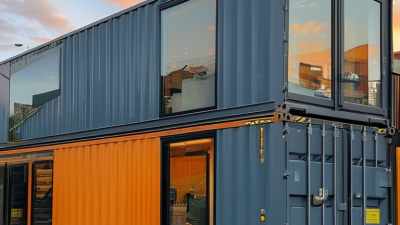
The appeal of small shipping containers lies in their adaptability. They can be modified for different purposes, such as housing, offices, or even cafés. This level of customization encourages creativity. Yet, their rising popularity means we must reflect on how to use them responsibly. Proper planning and adherence to local regulations are crucial for successful projects.
While small shipping containers offer numerous benefits, challenges can arise. Factors such as site selection and logistics play significant roles in their effectiveness. Experts recommend conducting thorough research before making decisions. With the right knowledge and insights, small shipping containers can truly enhance our living and working spaces.

What is a Small Shipping Container?
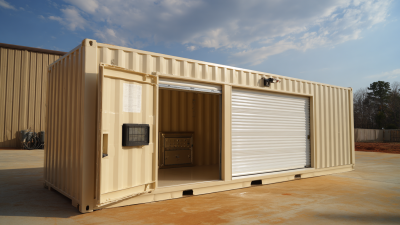
A small shipping container is a versatile storage solution. Typically, these containers measure around 10 to 20 feet in length. They are used for various applications, including personal storage, office space, and even mobile workshops. Their sturdy construction ensures that your belongings are safe from the elements. This durability makes them a favorite among homeowners and businesses alike.
Using a small shipping container can be straightforward. First, assess your needs. Do you require it for storage or conversion into a living space? Measure the available space to ensure a proper fit. Next, consider ventilation. Small containers can become stuffy without adequate airflow. Installing windows or vents can help prevent moisture buildup.
However, it's crucial to maintain realistic expectations. A small container does not offer limitless space. Overloading it can lead to structural damage. Also, ensure you are aware of local zoning laws. These may affect where you can place the container. Ultimately, while a small shipping container can offer many benefits, thorough planning is essential.
Common Uses for Small Shipping Containers
Small shipping containers, typically measuring 10 to 20 feet, are versatile assets for various applications. They provide excellent storage solutions, especially for small businesses or personal use. According to industry data, over 60% of small businesses utilize containers for inventory management. This reduces clutter and enhances organization in limited spaces.
Common uses for small shipping containers include pop-up shops and mobile offices. Entrepreneurs find these containers ideal for setting up temporary retail spaces. The National Association of Small Businesses reports that 45% of new startups explore unique storage solutions, including these containers. Additionally, they serve as creative workshops for craftsmen or artists, promoting innovation in confined areas.
While small shipping containers present many opportunities, challenges exist. Not all local regulations permit their placement. It's essential to research zoning laws in your area before utilizing a container. Furthermore, ensuring proper ventilation and insulation is crucial, particularly in extreme climates. These factors can significantly impact the overall utility and user experience of the container.
Advantages of Using Small Shipping Containers
Small shipping containers are quickly becoming popular options for various storage and transport needs. Their compact size makes them ideal for limited spaces, whether in urban settings or on construction sites. One major advantage is their flexibility. You can use them for storage, offices, or even pop-up retail spaces. They can fit into tighter areas where larger containers cannot.
Another key benefit is their durability. Small shipping containers are made to withstand harsh environments. The robust steel construction ensures that your goods remain protected from weather and theft. Additionally, they are often more affordable than larger containers, making them accessible for small businesses or individuals. However, it's important to properly consider ventilation and insulation if using these containers for longer durations.
While they offer great versatility, there are challenges to address. Transporting a small container requires planning. Limited access roads can complicate delivery. Additionally, owners may need permits for placement, especially in residential areas. These factors require consideration to avoid potential setbacks. Balancing the advantages with these concerns will enhance the overall utility of small shipping containers.
How to Choose the Right Small Shipping Container
Choosing the right small shipping container is crucial for various applications. When selecting one, consider the size that suits your needs. Containers can range from 10 to 20 feet in length. Your decision may affect shipping costs and storage space. A 10-foot container is suitable for small items or tools. Larger containers provide extra space for bulkier goods. Assess your inventory before making a choice.
Material quality is another important factor. Most containers are made from corten steel. It offers durability and weather resistance. However, check for rust and potential leaks. Inspecting the door seals is vital for keeping contents dry. Containers can also be modified or customized. Think about ventilation and insulation if storing sensitive items.
Budget constraints should guide your decision. Costs vary by condition and size. Consider both new and used options. New containers come with a warranty, while used containers may hold unexpected repairs. Ask for detailed inspections. This will prevent future headaches. A good choice ensures you stay organized and efficient in your operations. Remember, the perfect container doesn’t just depend on size or cost; it should meet your specific needs.
What is a Small Shipping Container and How to Use It? - How to Choose the Right Small Shipping Container
| Container Size |
Dimensions (L x W x H) |
Capacity (Cubic Feet) |
Common Uses |
| 10 ft Container |
10' x 8' x 8.5' |
570 |
Storage, small moves, tool shed |
| 20 ft Container |
20' x 8' x 8.5' |
1,170 |
Shipping, storage, on-site offices |
| 40 ft Container |
40' x 8' x 8.5' |
2,390 |
Large storage, shipping, workshops |
| 40 ft High Cube Container |
40' x 8' x 9.5' |
2,694 |
Storage with extra height, inventory management |
Tips for Maintaining Your Small Shipping Container
Maintaining a small shipping container is essential for its longevity. Regular upkeep can prevent issues like rust and structural damage. Studies show that over 60% of container owners face rust problems within the first five years. This statistic emphasizes the importance of proactive maintenance.
Inspect your container every few months. Look for signs of rust, especially in coastal areas where salty air accelerates corrosion. Applying a high-quality rust-inhibiting paint can help protect the metal. Additionally, keeping the container dry minimizes moisture buildup, which is crucial for preventing mold growth.
Proper ventilation is often overlooked, yet it’s vital. Poor air circulation can lead to condensation inside the container. Consider adding vents to improve airflow. This simple step can drastically enhance the environment inside your container. Remember, small investments in maintenance can yield significant returns in terms of durability and utility.