What is the Best Way to Buy Second Hand Storage Containers?
When considering second hand storage containers, many factors come into play. These containers are increasingly popular for both personal and business use. They offer a cost-effective solution for various storage needs. However, not all second hand containers are created equal. It is crucial to understand what to look for to ensure a wise purchase.
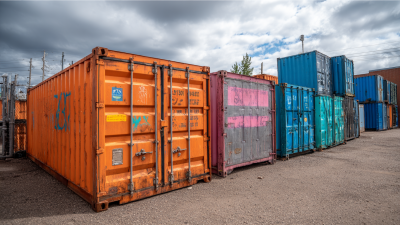
Many sellers might not disclose the condition of their containers. Therefore, inspecting is essential before buying. You want to avoid hidden issues, such as rust or structural damage. Look for containers that have been well-maintained and are free from significant dents. Some might seem like a bargain at first glance but could cost you more in repairs later on.
Purchasing second hand storage containers requires due diligence. Research reputable sellers in your area. It's worth reaching out to previous customers for feedback on their experiences. Remember, the right container can serve you well for years, while a poor choice may lead to frustration. Take your time, and choose wisely.
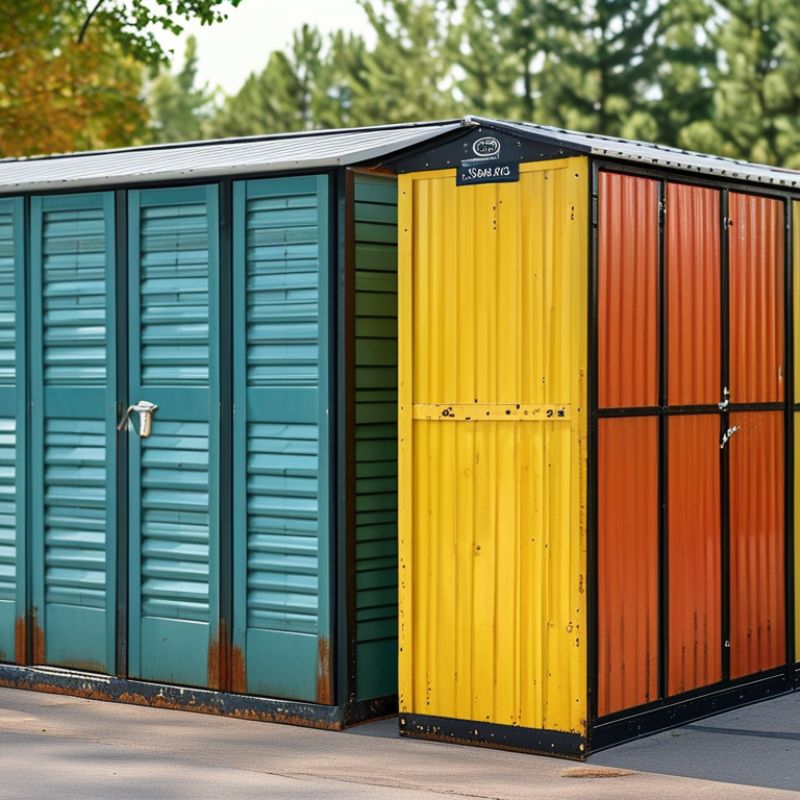
Understanding the Market for Second Hand Storage Containers
The market for second-hand storage containers has grown significantly in recent years. Many businesses and individuals seek affordable and reliable options for storage solutions. Understanding the market dynamics is crucial for making informed purchases.
When exploring second-hand options, consider the container's condition and usability. Inspect each container thoroughly for any damage or rust. This is essential because the container's integrity determines its longevity. Look for sellers with positive reviews and a transparent history in the industry. Reliable sources can help avoid potential pitfalls.
Research local marketplaces and online platforms where such containers are frequently listed. Explore different sellers and compare prices. Prices can vary widely based on location and the container's state. Always ask for detailed descriptions and clear images.
Potential buyers should verify ownership and title before making any transactions. Verify that the seller is legitimate. An unclear background can lead to issues down the line. Ensure you're aware of the potential hidden costs, such as transportation and modifications needed for your specific use. Investing time in understanding these aspects will lead to smarter purchasing decisions.
What is the Best Way to Buy Second Hand Storage Containers? - Understanding the Market for Second Hand Storage Containers
| Container Type |
Condition |
Average Price (USD) |
Common Uses |
Where to Buy |
| 20ft Shipping Container |
Good |
$2,500 |
Storage, Office |
Online Marketplaces |
| 40ft Shipping Container |
Fair |
$3,500 |
Storage, Workshop |
Local Dealers |
| Refrigerated Container |
Excellent |
$5,000 |
Food Storage, Transport |
Specialty Container Sales |
| ISO Tank Container |
Good |
$4,500 |
Liquid Transport |
Online Industrial Auctions |
| High Cube Container |
Fair |
$3,200 |
Storage, Custom Projects |
Trade Shows |
Evaluating Different Types and Sizes of Storage Containers
When purchasing second-hand storage containers, size and type are crucial factors to consider. Depending on your needs, containers come in various dimensions. For instance, a 20-foot standard container has an internal capacity of about 1,172 cubic feet. This size is often favored for small business storage or personal use. In contrast, 40-foot containers provide double the volume, making them suitable for more extensive warehousing needs. Knowing the specific volume you require will help narrow down your options and prevent potential regrets.
Beyond size, container type also plays a significant role in your purchase decision. Standard containers are great for general storage, while refrigerated containers have specialized insulation and temperature controls. According to industry reports, the demand for refrigerated containers has surged by 15% over the last few years, reflecting trends in the food and pharmaceutical sectors. Choosing the wrong type can lead to inefficiencies, such as spoilage or insufficient climate control. Therefore, assess your needs carefully. Take time to research the types available, and read customer reviews to avoid common pitfalls encountered by others.
One common mistake often made is overlooking the condition of the container. While price is a compelling factor, a visually appealing container might hide underlying issues, such as rust or structural damage. The average lifespan of a well-maintained container is about 25 years. However, poor maintenance significantly reduces this span. A careful inspection before purchasing can save you from future expenses and disappointment. Look for signs of wear and tear, and consider the potential for additional modifications.
Identifying Reliable Sellers and Platforms for Purchasing
When looking for second-hand storage containers, it's essential to identify reliable sellers and platforms. Start by researching local suppliers and online marketplaces. Check user reviews and ratings to gauge the reliability of sellers. Look for platforms that have a history of positive customer experiences. Ensure the description and photos of the containers are accurate to avoid disappointment.
When connecting with sellers, ask questions about the condition of the containers. Some sellers may not be forthcoming about potential issues. Verify if they have proper documentation and previous sales history. This can uncover hidden problems that might arise later.
Inspect containers in person, if possible. This allows you to evaluate their condition thoroughly. If buying online, request additional images or videos. Always trust your instincts when something feels off. Sometimes, a good deal might hide underlying issues. Being diligent pays off in the long run.
Assessing the Condition and Quality of Used Containers
When considering used storage containers, assessing their condition is crucial. Analyzing the structural integrity helps prevent future issues. Look for rust, corrosion, and dents. According to industry insights, over 40% of used containers show some wear and tear. Paying attention to these details ensures durability.
Quality plays a key role in your purchase decision. Examine the container’s history. Has it been used for shipping hazardous materials? Such containers can pose risks. Expert reports indicate that around 30% of second-hand containers come with unknown usage histories. This factor can affect safety and longevity.
Inspecting the seals and doors is important. Gaps can indicate poor maintenance. A tightly sealed container retains value better over time. Visual signs of leaks or previous repairs can reveal potential future problems. Gathering detailed information about the container's past can help you make a more informed decision. Consider requesting inspection reports if available, as reputable sellers often provide them.
Assessing the Condition and Quality of Used Storage Containers
This chart represents the assessment of the condition of used storage containers, indicating that 60% are considered to be in good condition, 30% fair, and 10% poor.
Negotiating Prices and Terms When Buying Second Hand Containers
When negotiating prices for second-hand storage containers, it's crucial to research the market. Understand the average prices in your area and identify the condition of the containers. Look for signs of wear and rust. Take comprehensive photos to assess the container later. This preparation strengthens your negotiating position.
Building rapport with the seller can make a difference. Approach them with genuine interest and respect. Ask open-ended questions about the container’s history. A seller is often more willing to negotiate when they feel understood. If the initial price is too high, express your concerns clearly. Offer a fair counterprice based on your findings.
Being transparent also helps in negotiations. Share your intended use for the container. This can build trust and might even sway the seller towards a better deal. Remember to ask about delivery options and any additional fees. Sometimes, saving on transportation can offset the container’s cost. Be ready to walk away if the deal does not meet your budget or requirements, as this can empower your position.