How to Purchase Shipping Containers for International Trade?
In today's global trade landscape, purchasing shipping containers has become essential for businesses. According to a report from the International Maritime Organization, the shipping container industry is projected to grow by 4.5% annually through 2025. This growth reflects the increasing demand for international shipping solutions.
Understanding how to select shipping containers is crucial. Various sizes and types are available, from standard 20-foot containers to specialized refrigerated units. Each option serves different logistical needs, impacting shipping costs and efficiency. According to Statista, over 90% of global trade is conducted through container shipping, underscoring the importance of making informed decisions.
However, navigating the purchase process can be complex. Factors such as container quality, supplier reliability, and market trends all play significant roles in decision-making. With fluctuating prices and varying container conditions, businesses must invest time in research. It’s important to reflect on the reliability of suppliers and the potential risks involved. This careful consideration can save companies from costly mistakes in their international trade operations.
Best Practices for Sourcing Shipping Containers for Global Logistics
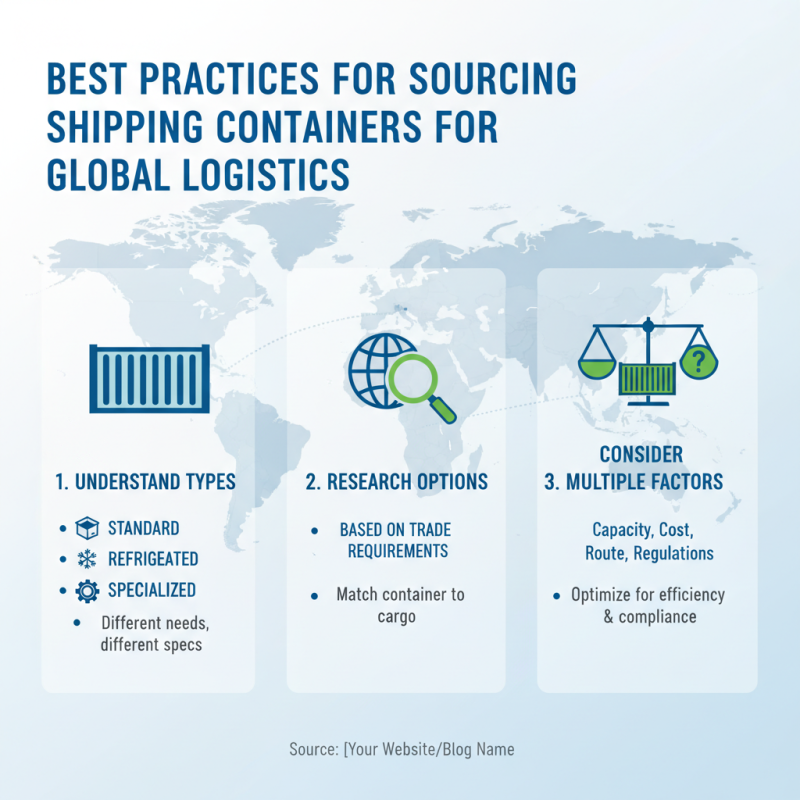
When sourcing shipping containers for global logistics, consider multiple factors. Start with understanding the various types. Standard containers, refrigerated units, and specialized containers serve different needs. Each type has its specifications. Research these options based on your trade requirements.
Quality is crucial. Inspect containers thoroughly before purchase. Look for rust, structural damage, and signs of wear. A strong container ensures product safety during transport. Suppliers may vary in reliability. Establish relationships with reputable vendors. Check their track records and read customer reviews. This helps in avoiding potential pitfalls.
Pricing can be tempting but don’t rush. Sometimes lower prices indicate poor quality. Balance cost with the container's condition. Factor in additional expenses like delivery. Reflect on your choices to ensure you make informed decisions. A well-sourced container can significantly enhance your logistics operations, but carelessness can lead to costly mistakes.
Understanding Different Types of Shipping Containers for Trade
When considering shipping containers for international trade, understanding the different types available is crucial. Containers vary in size, shape, and purpose. The most common types are standard dry containers, refrigerated containers, and open-top containers. Each serves a unique need in the shipping process. Standard dry containers are ideal for general cargo, while refrigerated containers are essential for perishable goods. Open-top containers are designed for oversized cargo.
One tip is to measure your cargo properly. Ensure that it fits within the container dimensions. Miscalculating can lead to significant issues during shipping. Consider the weight limit as well; exceeding it might cause delays or additional fees.
Additionally, think about the container’s condition. New containers are more reliable but come at a higher cost. Used containers can be more affordable, but they might require repairs. Always inspect the container before purchasing. Understanding the types and ensuring a good condition can save you trouble later.
Factors Influencing the Cost of Shipping Containers in International Markets
When considering purchasing shipping containers for international trade, several factors significantly affect their cost. The type and condition of the container are primary considerations. New containers can cost between $3,000 and $5,000. In contrast, used containers typically range from $1,500 to $3,000. According to global shipping reports, the demand for used containers has surged, driving prices up by almost 30% in the past year.
Shipping routes and distance also impact costs. Containers transported via congested ports or routes can incur additional fees. For instance, A.P. Moller-Maersk noted shipping delays can add 15% to transport expenses. Such delays reflect on overall supply chain efficiency, causing prices to fluctuate.
Finally, market volatility plays a crucial role. As of 2023, the global shipping container market is influenced by factors like fuel prices and geopolitical tensions. The Freightos Baltic Index reported a 22% rise in container shipping rates this year. These dynamic elements create challenges for businesses, illuminating the need for thorough market research before purchasing shipping containers.
Top Suppliers and Manufacturers of Shipping Containers Worldwide
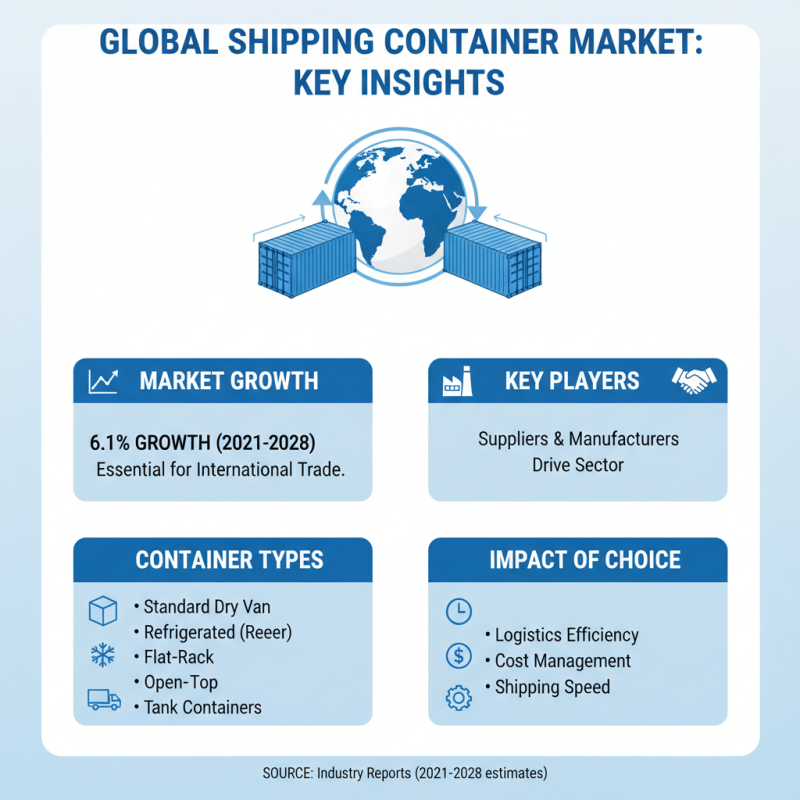
The global shipping container market is essential for international trade, with an estimated growth of 6.1% from 2021 to 2028, according to industry reports. Suppliers and manufacturers play a pivotal role in this sector. Companies specialize in different container types, including standard, refrigerated, and flat-rack containers. The choice of supplier can significantly impact logistics, costs, and shipping efficiency.
When selecting suppliers, consider their reputation and experience. Look for companies with a track record of compliance with international shipping laws. Many manufacturers also offer customization options. This can meet specific business needs, but it can also complicate the purchasing process. It's vital to weigh the benefits against potential delays or cost increases.
Tips: Investigate multiple suppliers before making a decision. Request quotes, and compare features and services. Also, think about after-sales support. This can be crucial for maintenance and operational efficiency. Understand the market demands in your region. This approach helps avoid over-investment in inventory that may not sell quickly.
Regulatory Considerations for Purchasing Shipping Containers for Export
Regulatory considerations play a crucial role in purchasing shipping containers for international trade. Every country has specific regulations that govern the import and export of shipping containers. To avoid compliance issues, businesses must understand these regulations. For instance, a report by the World Trade Organization highlights that 30% of shipment delays experienced in international trade arise from regulatory non-compliance.
Documentation is one essential factor. A bill of lading, commercial invoice, and any relevant customs clearance documents are required. Some countries might require additional certificates, such as phytosanitary inspections or safety assessments. Understanding these requirements can save time and prevent costly fines. Additionally, the International Maritime Organization emphasizes the importance of hazardous materials regulations. Shipping containers must not carry prohibited items. Failure to respect these regulations could result in serious legal consequences.
Another aspect is the environmental impact. Certain regulations aim to ensure that shipping containers meet environmental standards. For example, the European Union has strict regulations on emissions from shipping. Ignoring these can lead to penalties, impacting overall trade efficiency. Research suggests that up to 20% of shipping costs can be attributed to compliance failures. Hence, businesses should regularly review regulatory updates to align practices with evolving standards. This vigilance can enhance operational reliability and foster long-term trade relationships.