What are One Trip Containers and Their Benefits for Buyers?
One trip containers have become increasingly popular among buyers seeking efficiency and sustainability. These containers are designed for a single journey, which often means they are more durable and cost-effective. Unlike traditional containers that are reused multiple times, one trip containers are new or gently used, minimizing wear and tear. This characteristic appeals to businesses looking to reduce their shipping costs without sacrificing quality.
The benefits of one trip containers extend beyond just cost savings. They are readily available and often come in various sizes, making them suitable for diverse shipping needs. Furthermore, they are constructed to meet stringent industry standards, ensuring reliability throughout transportation. Buyers can trust that their goods are protected, which is essential for maintaining product integrity.
However, while one trip containers are advantageous, there are considerations to keep in mind. The initial investment can be higher than standard used containers. Additionally, sourcing the right supplier is crucial. Not all providers offer the same quality, so buyers must do their research to ensure they are making sound choices. In conclusion, one trip containers can offer impressive benefits, but they also require careful evaluation and planning to maximize their effectiveness in shipping operations.

Definition of One Trip Containers and Their Usage
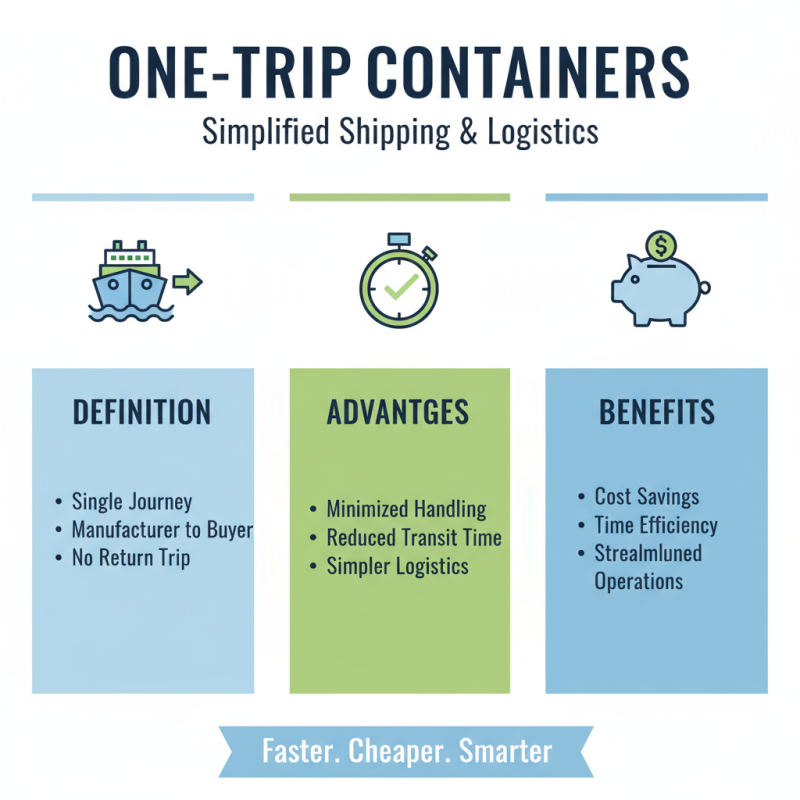
One trip containers are shipping units designed for a single journey. These containers usually carry goods from the manufacturer to the buyer without any return trips. The main advantage is that they minimize handling and transit times. This makes logistics simpler and more efficient. Using one trip containers can help businesses save costs and time.
When selecting one trip containers, consider your product's specific needs. Not all containers are created equal. Some may not provide the necessary protection for delicate items. Make sure to evaluate the type of goods you are shipping. Choosing the wrong container could lead to damage or increased costs.
Tips: Always inspect the container for quality. A damaged container can compromise your shipment. Additionally, check if the container complies with shipping regulations. This ensures smooth delivery and reduces potential challenges. Keep sustainability in mind; opting for recyclable materials can be beneficial.
Key Features of One Trip Containers Compared to Reused Containers
One Trip Containers offer several advantages compared to reused containers. Designed for single use, these containers are typically stacked and transported only once. According to a report by the World Shipping Council, using one trip containers can reduce transportation costs by up to 30%. This efficiency stems from their lightweight design and the minimization of handling. Buyers benefit from faster delivery times, leading to improved supply chain processes.
In contrast, reused containers may present challenges. They often come with wear and tear, which can compromise cargo safety. A study published by the International Maritime Organization indicates that nearly 20% of reused containers suffer from structural issues. This can lead to product damage and potential losses. Buyers need to weigh the lower initial costs of reused containers against the risks associated with their condition.
Moreover, one trip containers are more eco-friendly. They reduce the carbon footprint associated with frequent refurbishment of older containers. The Container Owners Association reports that using new containers decreases emissions by up to 15% compared to using refurbished options. This shift towards sustainability is gaining traction among buyers who prioritize environmentally responsible practices. However, some buyers might still hesitate. They must evaluate their specific needs and the long-term benefits of opting for one trip containers.
Advantages of One Trip Containers for Buyers in Various Industries
One Trip Containers are gaining traction across various industries for their unique benefits. These containers are used just once for shipping, ensuring they arrive in excellent condition. The appeal lies in their reliability. Buyers know they are getting sturdy, well-maintained containers that can secure goods effectively. This quality reduces product damage during transit, which is crucial for maintaining supply chain integrity.
In industries like food and pharmaceuticals, the need for clean containers is vital. One Trip Containers are often chosen because they meet high hygiene standards. Their use minimizes the risk of contamination, offering peace of mind to buyers. Additionally, companies appreciate the reduced logistical hassles. With fewer returns or repairs needed, operational efficiency is significantly boosted.
Cost savings also play a critical role. While One Trip Containers might seem pricier upfront, their durability leads to fewer replacements. This aspect is essential for businesses looking to optimize their shipping processes. However, the reliance on single-use containers can raise sustainability concerns. Buyers must weigh these factors as they make decisions for the future of their supply chains.
Cost-Effectiveness and Sustainability of One Trip Containers
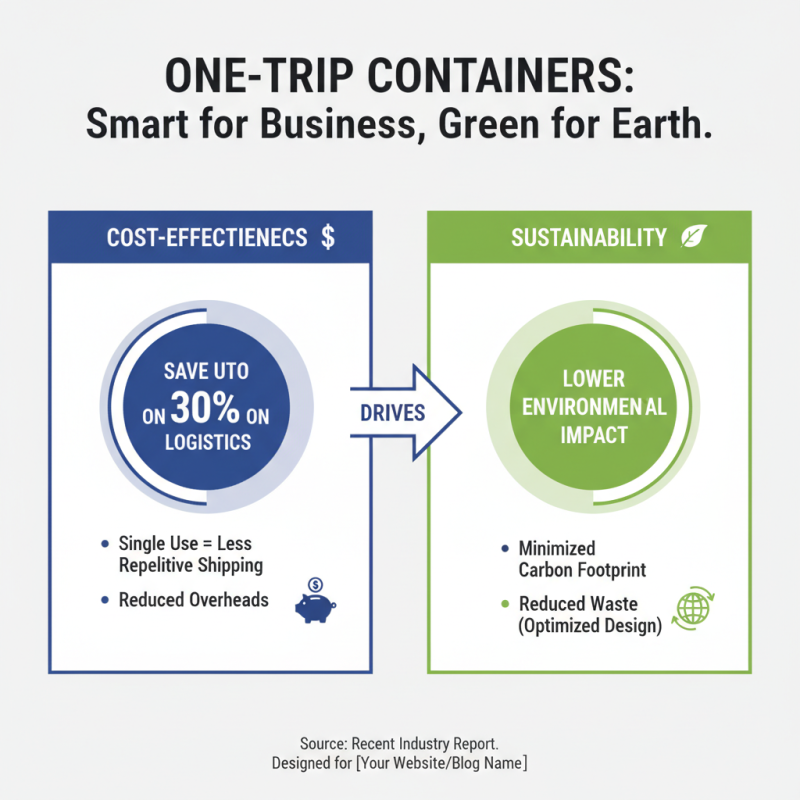
One Trip Containers have gained popularity due to their cost-effectiveness and sustainability. These containers are designed for single use, which minimizes the need for repetitive shipping. According to a recent industry report, businesses can save up to 30% on logistics costs by using one trip containers. This not only reduces overheads but also cuts down on environmental impact.
Sustainability is a significant benefit of one trip containers. These containers are often made from recyclable materials, which can reduce landfill waste. Research indicates that using one trip containers can lower carbon emissions by 25%. Companies embracing these options can align with eco-friendly practices, appealing to a growing consumer base concerned about the environment.
**Tip 1:** Assess your shipping needs before making a switch. One trip containers may be ideal for specific goods.
**Tip 2:** Regularly evaluate your logistics strategies to incorporate more sustainable practices. This can enhance brand reputation.
Despite the advantages, some may question the durability and quality of one trip containers. It's essential to consider how these containers perform under various conditions. Companies should test their reliability before fully transitioning.
Factors to Consider When Choosing One Trip Containers for Shipping
When choosing one trip containers for shipping, there are several factors to consider. The dimensions and capacity of the container play a critical role. According to industry data, containers come in various sizes, commonly 20-foot and 40-foot models. Each size accommodates different cargo amounts. Buyers must assess their specific shipping needs to select the appropriate size.
Material quality is another key consideration. One trip containers are often made from high-quality steel and are built to withstand harsh shipping conditions. Research indicates that these containers can endure significant weight loads and resist corrosion. Buyers should inspect the construction and material grades to ensure reliability.
Cost-effectiveness is essential. Reports show that one trip containers can offer cost savings compared to traditional shipping methods. However, initial purchase prices can vary greatly. It's crucial to compare options and avoid the cheapest alternatives, which may compromise quality. An in-depth cost analysis can reveal potential long-term benefits.
One Trip Containers and Their Benefits for Buyers