10 Essential Tips for Using One Trip Shipping Containers Effectively?
Using one trip shipping containers effectively can transform logistics for businesses of all sizes. These containers provide a cost-efficient solution for transporting products. When utilized correctly, they can enhance efficiency and reduce shipping costs significantly.
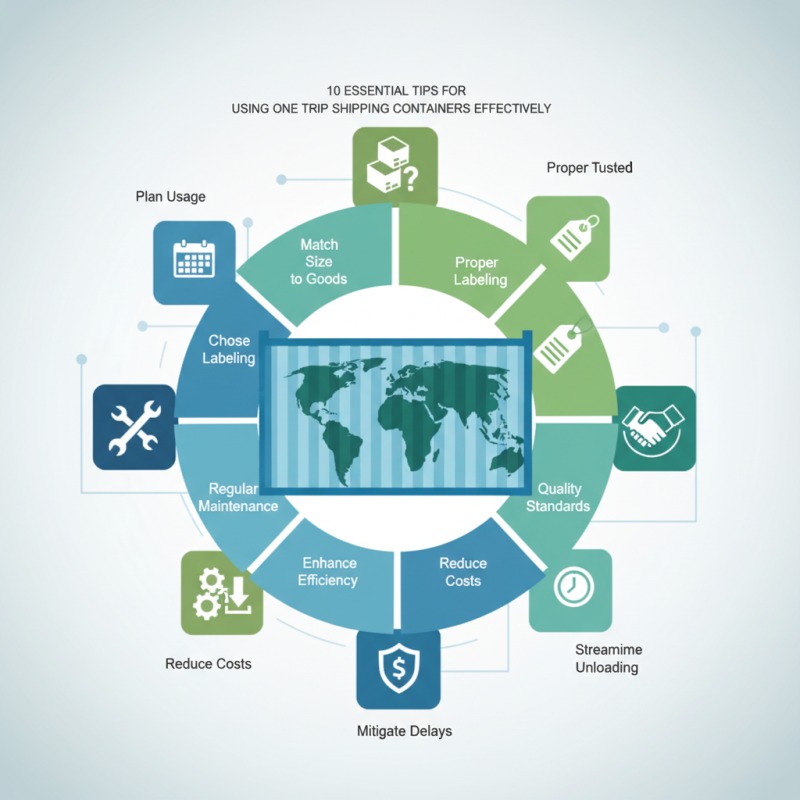
One essential tip is to plan your container usage in advance. Think about the types of goods you are shipping. Ensure that the container size matches your needs. Overpacking can lead to damage. Another point to consider is the importance of proper labeling. Clear labels help in quick identification and streamline the unloading process.
However, challenges can arise. For instance, not all suppliers may comply with quality standards, and unexpected delays can occur. It’s vital to choose trusted partners. Furthermore, while one trip shipping containers are practical, maintaining them can be overlooked. Regular checks for damages can prevent costly losses in the long run. With these insights, you can navigate the complexities of shipping containers more effectively.
Understanding One Trip Shipping Containers and Their Benefits
One trip shipping containers are a popular choice for many businesses. These containers are used only once for shipping goods, which ensures they are in excellent condition. Their robust construction and minimal wear make them ideal for storage or transport. Many companies appreciate the benefits of using these containers, including cost-efficiency and reliability.
Interestingly, businesses can face challenges when using one trip containers. Sometimes, the security of the contents needs improvement. Additional locks or security measures may be necessary. Companies can overlook this, risking loss or damage to valuable items. Another consideration is space utilization. An improperly loaded container can lead to extra shipping costs.
Using one trip shipping containers also requires careful planning. Loading logistics must be optimized to maximize space. Choosing the right size for specific shipments is crucial. Businesses must also reflect on the environmental impact. Reducing waste by repurposing containers can create a positive effect. Ultimately, these containers offer benefits, but careful management is essential for success.
Usage Statistics of One Trip Shipping Containers
Choosing the Right Size and Type of Shipping Container for Your Needs
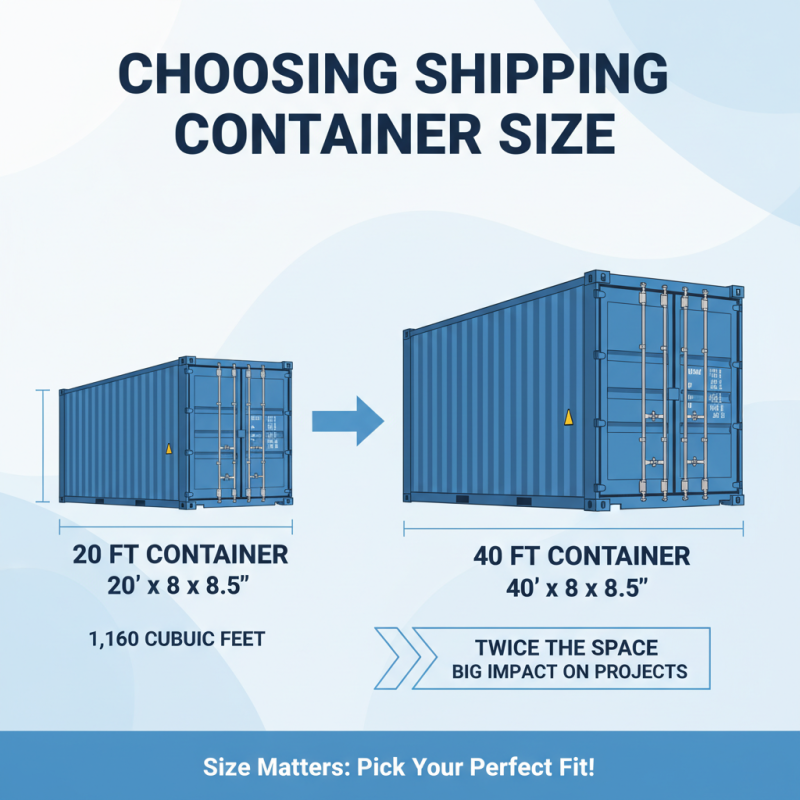
When it comes to choosing the right shipping container, size matters. Shipping containers come in various dimensions, typically 20 and 40 feet long. The 20-foot container provides about 1,160 cubic feet of space, while the 40-foot version offers around 2,390 cubic feet. This difference can significantly impact your project.
Consider the weight limits too. A standard 20-foot container can hold a maximum payload of 24,000 pounds. However, overloading might cause issues during transport. It’s crucial to account for the items' weight and volume before selecting a container. Some underestimate the space required. This can lead to inefficiencies or costly adjustments.
Inspecting the container type is equally vital. Options include standard, high cube, and refrigerated containers. High cube containers add an extra foot in height, making them ideal for taller items. Meanwhile, refrigerated containers cater to temperature-sensitive goods. Not all projects require the same container type. Assessing your specific needs can save time and resources. Data suggests that selecting the perfect container can boost efficiency by 30%.
Strategically Planning the Layout for Maximum Space Utilization
Strategic planning is crucial when using one trip shipping containers for storage or transport. According to the Freight Transportation Services Index, effective layout can increase storage space by up to 30%. When arranging items, consider height and weight distribution. Place heavier items at the bottom. This not only adds stability but also optimizes vertical space.
Utilize every inch of the container. A study by the Containerization International shows that poorly planned layouts waste about 15% of available space. Avoid creating dead zones by stacking items neatly. Consider using shelves or bins for smaller items. This approach maximizes space and improves accessibility. Feel free to test different layouts. What works today might not be effective tomorrow. Regular assessment is key to maintaining efficiency.
Think about the types of goods stored. Different materials may require specific arrangements. Chemicals might need separation from perishables. This planning phase could be crucial. Document your layouts and adjustments over time. Reflecting on past setups can reveal valuable insights. Embrace flexibility in your strategies. Adapting to changing circumstances is vital in container management.
10 Essential Tips for Using One Trip Shipping Containers Effectively
| Tip Number |
Tip Description |
Maximum Space Utilization |
Implementation Difficulty |
| 1 |
Plan Your Layout |
High |
Medium |
| 2 |
Use Vertical Space |
Very High |
Medium |
| 3 |
Organize Items by Category |
High |
Low |
| 4 |
Label Everything |
Medium |
Low |
| 5 |
Consider Climate Control |
Medium |
High |
| 6 |
Regularly Assess Inventory |
High |
Medium |
| 7 |
Use Customized Racking |
Very High |
High |
| 8 |
Implement Access Solutions |
Medium |
Medium |
| 9 |
Optimize Loading and Unloading |
High |
Medium |
| 10 |
Keep it Clean and Tidy |
High |
Low |
Essential Safety Tips for Loading and Securing Your Shipping Container
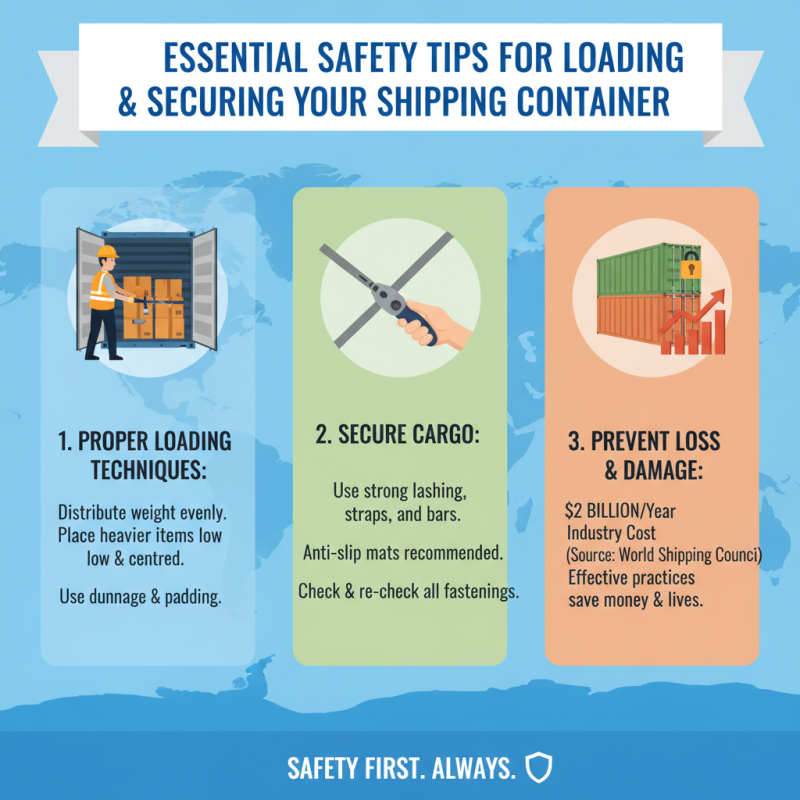
When using shipping containers, safety is paramount. Proper loading techniques can prevent injuries and damage. According to the World Shipping Council, cargo loss during transit costs the industry approximately $2 billion annually. This highlights the need for effective container usage practices.
Begin by checking the container's weight limit. Overloading can lead to structural failures. Ensure the weight distribution is even. Heavy items should be on the bottom, while lighter items can rest on top. Use dunnage or packing materials to fill empty spaces. This prevents movement during transport.
Securing your cargo is equally important. Straps, nets, and tie-downs should be used to keep items in place. Statistics from the International Cargo Handling Coordination Association show that improperly secured cargo is a leading cause of accidents. Regularly inspect your load throughout the journey for any shifts. It’s essential to remain vigilant and adjust as needed. These proactive measures can greatly enhance safety during shipping.
Best Practices for Maintaining and Protecting Your Shipping Container
When using one trip shipping containers, maintenance is key. Regular checks can prevent costly repairs. According to industry data, 90% of container issues arise from neglect. Ensure you inspect the seal and hinges frequently. These small components can lead to larger problems if overlooked.
Tip: Keep the container dry. Moisture can cause corrosion over time. In fact, 60% of container damage results from water infiltration. Installing vents can help, but they should not compromise security. Use desiccants to absorb humidity, especially in humid climates.
Tip: Apply a protective coating. A good sealant can extend the life of your container. Reports show that properly sealed containers last up to 20% longer. Repainting not only protects but also keeps it looking new. Remember, a well-maintained container is a valuable asset for your storage needs.