What Are the Best Shipping Container Sizes from China?
Choosing the right shipping container sizes from China affects freight cost, usable space, and delivery planning. The scale is substantial: UNCTAD’s Review of Maritime Transport 2024 reports that more than 80% of world merchandise trade by volume travels by sea. Yet a container’s familiar “20-foot” or “40-foot” label does not tell you its exact internal capacity.
ISO 668:2020 sets standard container classifications and key external dimensions. A standard 20-foot container is about 6.06 metres long; a 40-foot container is about 12.19 metres long. Both are typically 2.44 metres wide externally. High-cube models add height, often giving extra room for bulky cartons or palletised goods. Small gains matter. Internal measurements, tare weight, and payload limits can differ by model and manufacturer, so check the unit’s specification sheet and door plate before booking. That step is easy to overlook.
For shipments from China, the best choice depends on cargo volume, weight, packaging, and the loading plan—not just the lowest quoted rate. A 40-foot container may offer more space, but it is not automatically the better deal for dense cargo. A 20-foot unit can reach its weight limit before it is full. Ask the supplier or freight forwarder to confirm dimensions, maximum payload, and availability at the origin port. Treat estimates cautiously. Carton measurements and loading gaps can change the final fit, sometimes more than expected. This guide compares common container types and explains how to choose with fewer surprises.
Common Shipping Container Sizes Available from China
Common Shipping Container Sizes Available from China
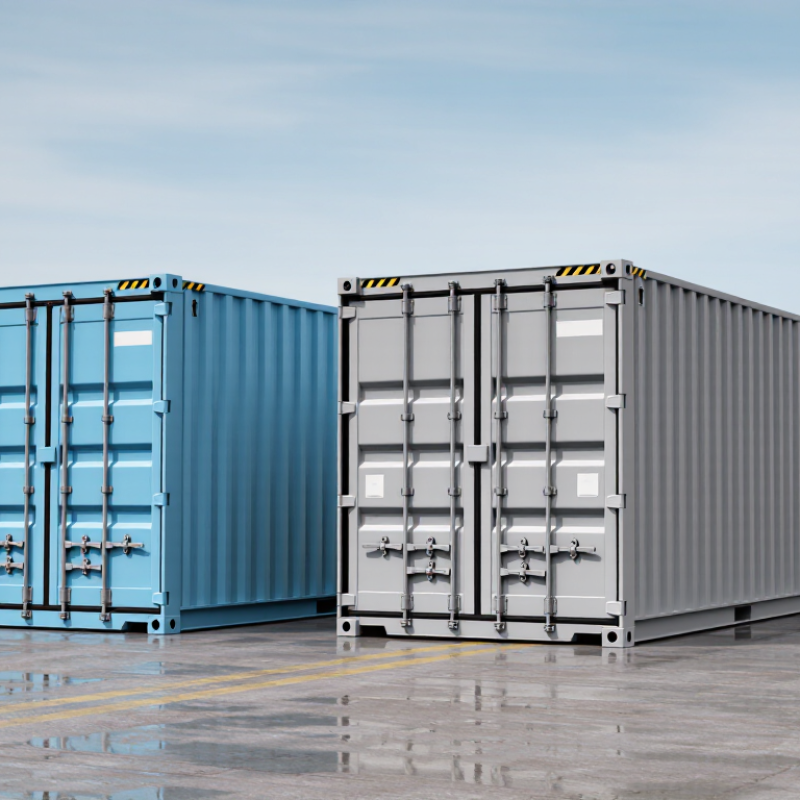
Most shipments from China use 20-foot or 40-foot containers. A standard 20-foot container offers roughly 33 cubic meters of internal volume. Its interior is about 5.9 meters long, 2.35 meters wide, and 2.39 meters high. It can suit dense cargo, such as boxed hardware or ceramic tiles, when weight limits are considered. Small, but useful.
A standard 40-foot container provides about 67 cubic meters, with nearly twice the floor length of a 20-foot unit. For taller cartons or furniture, a 40-foot high-cube container adds roughly 30 centimeters of interior height and offers around 76 cubic meters. These figures are approximate; container dimensions and door openings can vary. A neat volume calculation can still mislead if cartons cannot be stacked safely or loaded through the doors. Some routes may also have limited availability of high-cube or 45-foot containers.
Tips: Ask your supplier for packed carton dimensions and total gross weight before choosing a size. Compare those figures with the carrier’s container specifications, not just advertised capacity. Leave room for handling and uneven loads. A little unused space may be cheaper than repacking.
External and Internal Dimensions of Standard Containers
What Are the Best Shipping Container Sizes from China?
External and Internal Dimensions of Standard Containers
Choosing a container size starts with its usable space, not just its exterior footprint. A standard 20-foot container measures about 6.06 × 2.44 × 2.59 metres externally. Inside, expect roughly 5.90 × 2.35 × 2.39 metres. A standard 40-foot container is about 12.19 × 2.44 × 2.59 metres outside, with an interior close to 12.03 × 2.35 × 2.39 metres. Actual measurements can vary slightly by unit and manufacturer. Check the specification for the exact container being offered.
The extra length of a 40-foot unit suits long cartons or larger loads, while a 20-foot unit may be easier to fill without leaving unused space. A 40-foot high-cube container adds about 30 centimetres of external height compared with a standard-height unit. Its internal height is typically around 2.69 metres. That difference matters for tall, stackable goods. It is easy to overlook door clearance, though; the opening is smaller than the interior dimensions.
Tips: Compare your packed cargo dimensions with the internal measurements, then allow room for loading and securing. Ask for the container’s actual dimensions before booking. A small mismatch can matter. Measuring twice is worth the effort.
Cargo Capacity and Weight Limits by Container Size
For China exports, container capacity means both usable volume and payload. A standard 20-foot dry container commonly holds about 33 cubic metres, with a payload near 28,000 kilograms. A 40-foot unit offers roughly 67 cubic metres, but its typical payload is lower, around 26,500 kilograms. More space does not mean more weight capacity.
ISO 668:2020 defines container dimensions and ratings, while the International Convention for Safe Containers requires an approved safety plate showing each unit’s maximum gross mass. Typical equipment specifications put gross mass near 30,480 kilograms for many standard units. Subtract the container’s tare weight to estimate payload; the exact figure varies. Check the plate.
A 40-foot high-cube container adds height, reaching about 76 cubic metres, but usually carries a similar payload to a standard 40-footer. Dense cargo can hit the weight limit while leaving empty floor space. Bulky cartons may fill the container first. That difference matters. For a real shipment, compare cargo dimensions and packed weight against the container’s individual rating, then allow room for pallets, dunnage, and uneven loading. Published figures are useful planning guides, not guarantees. The rating plate is the more reliable source.
What Are the Best Shipping Container Sizes from China? — Cargo Capacity and Weight Limits by Container Size
Figures are approximate and can vary by container manufacturer and individual unit. Maximum gross weight includes the container’s tare weight; payload is the cargo weight only. Always check the rating plate on the actual container and confirm carrier, port, road, and destination-country weight limits before loading.
How to Choose a Container Size for Your Shipment
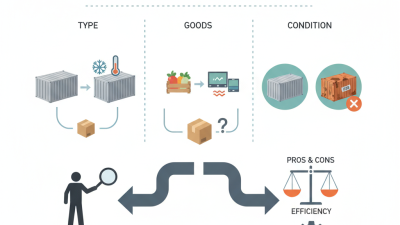
Choosing a shipping container starts with your cargo, not a headline capacity figure. Measure each item, including pallets, packaging, and anything that cannot be stacked. Then estimate the shipment’s total volume and weight. Measure twice.
A 20-foot container may suit dense or compact cargo, while a 40-foot option offers more floor space for bulky goods. A high-cube container provides extra vertical room, which can help with tall, lightweight items. Actual internal dimensions and payload limits vary by equipment, so check the specification for the container being booked. Do not choose by cubic capacity alone: heavy cargo can reach the weight limit before the space is full.
Think about how the goods will be loaded and unloaded. Pallets need aisle space, and fragile cartons should not be squeezed into every gap. Leave room for bracing when the cargo requires it. If your shipment is much smaller than a full container, compare a shared-container service with booking unused space; handling needs and delivery timing may affect the better fit. Estimates can be off when packaging dimensions change late. Recheck the final packing list before confirming the container size.
Factors That Affect Container Size Availability and Cost
Container availability from China depends on the factory location, departure port, and equipment already positioned nearby. A supplier close to a major port may have easier access to standard 20-foot and 40-foot containers than one shipping from an inland area. That matters. High-cube units can be less available on some routes, especially when demand rises or empty containers are scarce.
Costs reflect more than container length. A 40-foot container may offer a lower cost per cubic metre, but it is not always the cheaper choice if your cargo is dense or cannot fill the space. Rates can shift. Peak-season bookings, port congestion, inland trucking distance, and repositioning empty equipment can all affect the quote. For example, moving goods from an inland factory to a coastal port may add significant trucking and handling charges.
Ask for quotes using the cargo’s packed dimensions, gross weight, pickup location, and preferred sailing window. This helps the logistics provider check both equipment availability and route costs. Weight limits also vary by equipment and transport leg, so confirm the permitted load before packing. Estimates can still change; equipment supply is not always predictable.
What Are the Best Shipping Container Sizes from China?
A 20-foot container can suit heavier or smaller shipments, while 40-foot and 40-foot high-cube containers provide more cargo volume. Reefer containers have less usable interior space because of their insulation and cooling equipment. Figures are typical approximate capacities and vary by container specification. Availability and shipping cost also depend on route, season, equipment supply, cargo weight, and booking demand.