10 Best 10 Foot Shipping Containers for Sale

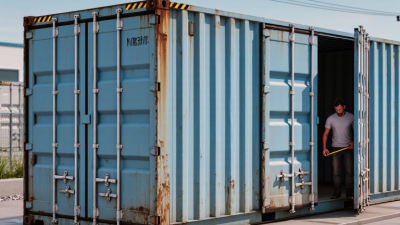
Choosing the right 10 foot shipping container requires more than comparing photographs and advertised prices. A compact unit can serve as a garden store, workshop, equipment shelter, or secure business space. However, its condition, construction, and delivery requirements deserve careful attention.

This guide reviews ten 10 foot shipping container options using practical buying criteria. We consider weather resistance, steel condition, door operation, floor strength, ventilation, paint quality, and overall usability. Small details matter. A stiff door may signal frame movement or corrosion. Damp timber flooring can create expensive problems later. Fresh paint can look impressive, but it may hide repairs if the seller provides limited information.

We also examine internal dimensions, external measurements, locking systems, and transport arrangements. A container may fit your property, yet the delivery truck may not. Measure gates, turning areas, overhead branches, and the final placement zone before ordering. Reliable sellers should provide clear photos, accurate specifications, condition grades, and written delivery terms. Where required, buyers should confirm local planning, placement, and safety requirements with the relevant authority.

No container is perfect. Even new-looking units may need adjustments after delivery. That is worth remembering. The best choice depends on your budget, intended use, access conditions, and tolerance for cosmetic wear. This selection aims to make those trade-offs easier to understand, helping you choose a durable 10 foot shipping container with fewer surprises.
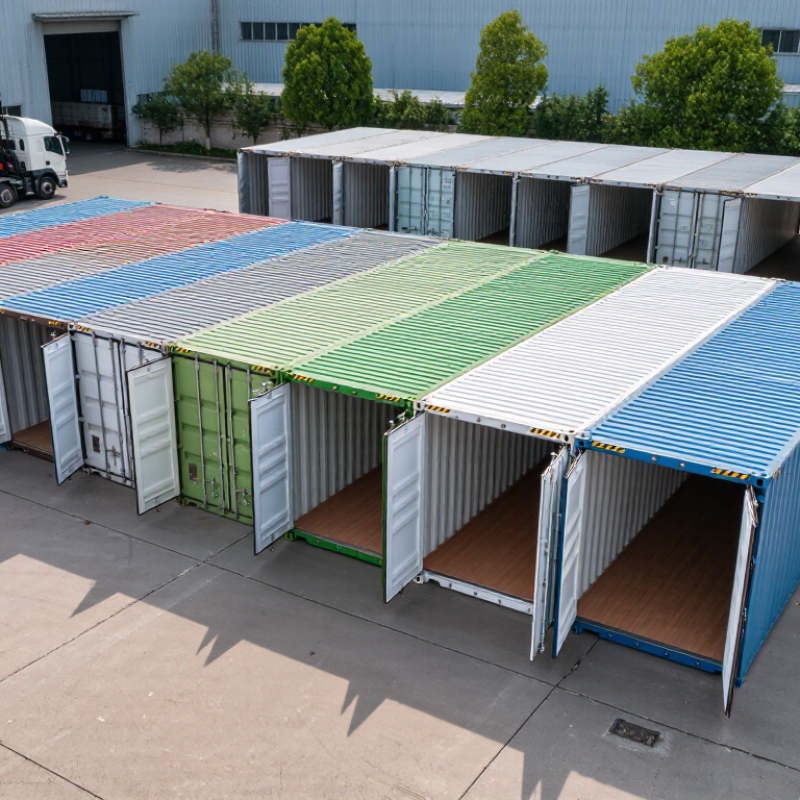
10 Best 10 Foot Shipping Containers for Sale

ISO 668 Dimensions: 2,991 × 2,438 × 2,591 mm for Standard 10-Foot Units

10 Best 10 Foot Shipping Containers for Sale

Standard 10-foot units follow ISO 668 dimensions of 2,991 × 2,438 × 2,591 mm. These are external measurements. Internal length, door clearance, and usable height will be smaller. That difference matters when storing pallets, tools, or compact machinery. Many units provide about 15 cubic metres of internal space, although insulation and floor construction can reduce it.

UNCTAD’s Review of Maritime Transport 2024 reported that global maritime trade grew by 2.4% in 2023. This supports continued demand for practical container equipment, but demand alone does not guarantee quality. Check the CSC safety plate, corner posts, roof condition, door seals, and floor repairs. A reliable seller should provide recent inspection details, tare weight, maximum payload, and clear photographs. ISO 668 confirms the dimensional framework, not the condition of a used container.

Tips: Measure your access route before purchasing. A 2,438 mm external width may leave little clearance near gates or loading areas. Confirm whether the quoted height includes roof fittings. Ask for internal dimensions, door opening size, delivery method, and unloading requirements. Used units may show surface rust without structural failure. That judgment is not always obvious. If the floor smells strongly of chemicals or appears heavily patched, pause and investigate. Cheap can become expensive.

10 Best 10 Foot Shipping Containers for Sale - ISO 668 Dimensions: 2,991 × 2,438 × 2,591 mm for Standard 10-Foot Units

Dimensions are shown as length × width × height. Specifications are typical for standard 10-foot ISO dry-freight containers; exact values may vary by manufacturer, build year, flooring, doors, and certification.
Rank Container Type / Best Use External Dimensions
(mm)
Internal Dimensions
(mm)
Door Opening
(W × H, mm)
Approx. Volume
(m³)
Tare Weight
(kg)
Typical Payload
(kg)
Floor Area
(m²)
Recommended For
1 New or One-Trip Standard Dry 2,991 × 2,438 × 2,591 2,830 × 2,350 × 2,390 2,340 × 2,280 15.9 1,300–1,450 8,500–9,500 6.65 Long-term storage, export cargo, and general freight
2 Cargo-Worthy Standard Dry 2,991 × 2,438 × 2,591 2,830 × 2,350 × 2,390 2,340 × 2,280 15.9 1,350–1,500 8,500–9,500 6.65 International transport and secure equipment storage
3 Wind-and-Watertight Used 2,991 × 2,438 × 2,591 2,830 × 2,350 × 2,390 2,340 × 2,280 15.9 1,400–1,550 8,000–9,000 6.65 Budget-friendly household, garden, and business storage
4 High-Security Lockbox Configuration 2,991 × 2,438 × 2,591 2,830 × 2,350 × 2,390 2,340 × 2,280 15.9 1,400–1,600 8,000–9,000 6.65 Tools, machinery, documents, and high-value inventory
5 Ventilated Storage Container 2,991 × 2,438 × 2,591 2,830 × 2,350 × 2,390 2,340 × 2,280 15.9 1,400–1,550 8,000–9,000 6.65 Agricultural products and goods requiring airflow
6 Double-Door Access Unit 2,991 × 2,438 × 2,591 2,830 × 2,350 × 2,390 2,340 × 2,280
at both ends
15.9 1,450–1,650 8,000–9,000 6.65 Drive-through loading and organized stock rotation
7 Side-Access Storage Unit 2,991 × 2,438 × 2,591 2,830 × 2,350 × 2,390 2,340 × 2,280
on selected side
15.9 1,500–1,750 7,500–8,500 6.65 Retail stock, workshops, and frequent item access
8 Insulated Dry Storage Unit 2,991 × 2,438 × 2,591 2,750 × 2,270 × 2,300 2,250 × 2,180 14.4 1,700–2,000 7,000–8,000 6.24 Temperature-sensitive goods without active refrigeration
9 Modified Workshop Container 2,991 × 2,438 × 2,591 2,830 × 2,350 × 2,390 2,340 × 2,280 15.9 1,600–2,000 7,000–8,000 6.65 Mobile workshops, tool storage, and site equipment
10 CSC-Plated Export Unit 2,991 × 2,438 × 2,591 2,830 × 2,350 × 2,390 2,340 × 2,280 15.9 1,350–1,500 8,500–9,500 6.65 Regulated international shipping and intermodal transport
Specification note: ISO 668 standard 10-foot external dimensions are nominally 2,991 mm in length, 2,438 mm in width, and 2,591 mm in height. Payload ratings must be confirmed from the container's safety approval plate and current inspection documentation before transport.

Comparing the 10 Best Containers by 8,000–10,000 kg Payload Capacity

10 Best 10 Foot Shipping Containers for Sale
Comparing the 10 Best Containers by 8,000–10,000 kg Payload Capacity

A 10-foot container with an 8,000–10,000 kg payload rating suits compact, heavy-duty storage. Payload means cargo weight, not the container’s total gross weight. Always subtract tare weight from the certified gross limit. A rating plate should confirm these figures.

When comparing ten units, inspect the corner posts, cross-members, floor beams, and door hinges. Heavy steel coils, machinery, or dense materials can create concentrated loads. A sound marine-grade floor helps distribute weight, but it should not hide water damage or soft spots. I would also check the underside with a flashlight and moisture meter.

Details matter. Look for functional locking bars, intact door seals, and clean ventilation openings.

Surface rust is manageable; deep corrosion near welds deserves caution. Ask for recent photographs, inspection records, and the container’s identification plate. These documents improve purchasing confidence, although they cannot replace an in-person inspection.

Be realistic.

A container advertised for 10,000 kg may perform differently on uneven ground or during repeated loading. Ground support must remain level and firm. I once underestimated floor deflection in a compact unit, and the repair cost changed the final value. Capacity alone is not enough. Consider age, repairs, delivery access, and local unloading equipment before choosing among the best ten options.

Ranking New, Used, and One-Trip Containers by Condition and Market Value

10 Best 10 Foot Shipping Containers for Sale

A useful ranking should separate new, used, and one-trip 10-foot containers. New units usually offer the cleanest floors, consistent door seals, and the lowest repair risk. One-trip units have completed one ocean journey, so their surfaces may show minor handling marks. They often deliver strong value when appearance matters. Used containers cost less, but condition varies widely.

Condition changes market value.

The Container xChange 2024 Used Containers Trading Report shows that prices vary significantly by location, equipment type, and availability. A low quoted price may reflect inland transport, corrosion, or difficult repositioning. Buyers should compare delivered cost, not only the listing price.

A survey should check corner posts, roof seams, locking bars, flooring, and internal odor. Small roof leaks become expensive surprises.

The 10-foot format also needs careful verification. ISO 668 provides the dimensional framework, but manufacturers may offer different tare weights, payload ratings, and door arrangements. Ask for recent photos, manufacturing year, inspection records, and a written condition grade.

Industry reports often track market averages, yet local stock can move faster than published data. That is an imperfect limitation. A container ranked second on price may be the better purchase after delivery and repairs.

Try the doors yourself. Assumptions fail quickly.

Verifying CSC Plates, 30-Month Inspections, Flooring, Doors, and Ventilation

10 Best 10 Foot Shipping Containers for Sale

A reliable 10-foot shipping container begins with a verifiable CSC plate. Check the container number, manufacture date, maximum gross weight, and inspection mark. The plate should match the seller’s records and the unit itself. Ask for clear photographs before arranging delivery. A recent 30-month inspection record adds useful evidence, but it should not replace a physical inspection.

Look closely at the floor. Solid marine-grade plywood should feel firm, without soft spots, deep cracks, or unusual staining. I once focused too much on exterior paint and missed damaged flooring. That mistake changed my inspection routine.

Open both door leaves several times. The locking bars should turn smoothly, and the gasket should press evenly against the frame. Misaligned doors can admit rain and create expensive storage problems.

Ventilation deserves equal attention. Small vents should be open, secure, and free from heavy corrosion. They help reduce condensation when temperatures change. However, ventilation alone cannot prevent moisture damage to poorly packed goods. Examine roof seams, corner posts, and lower rails for bends or fresh repairs. A practical inspection checklist should record measurements, photographs, plate details, and visible defects. If the container will be transported, have a qualified inspector confirm its condition and CSC suitability before purchase. Minor dents are usually manageable. Structural distortion is not.

Selecting the Best 10-Foot Container for Storage, Transport, or Modification

10 Best 10 Foot Shipping Containers for Sale

Selecting a 10-foot container starts with its intended use. Storage needs different features than transport or modification. A clean, wind-and-watertight unit protects tools, documents, and seasonal equipment. Check the door seals carefully. Small gaps can invite moisture, insects, and expensive damage.

I once underestimated how useful a short container could be in a crowded work area. Its compact footprint fit beside a workshop, but the interior became tight after shelving was installed. Measure every item before buying. Record the container’s internal length, width, and height, not only its advertised exterior dimensions. Inspect the floor for soft spots, unusual odors, and oil stains. Surface rust is manageable; deep corrosion near corner posts deserves caution.

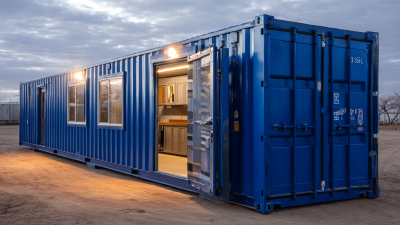
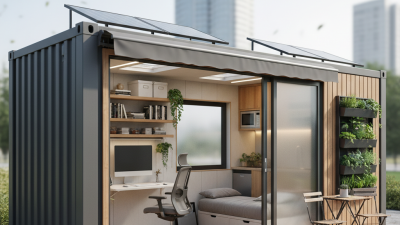
Transport requires a stronger inspection. Confirm that the corner fittings, doors, locking bars, and frame remain straight. Ask for current inspection records when the unit will be moved through regulated transport channels. Requirements can vary by route and equipment. For modification, plan ventilation, insulation, lighting, and cable entry points before cutting the steel. A qualified fabricator should reinforce large openings. My earlier plan missed airflow near the roof, and condensation followed. That mistake was avoidable. Delivery access matters too. Measure gates, turning space, overhead cables, and the unloading surface before purchase. A suitable container still fails if the truck cannot place it safely.

Get a Quote
910-483-7828