A small drip from a Geyser Pressure Valve can look harmless, especially when it appears beneath the outlet pipe after a hot shower. Yet the pattern matters. A brief release during heating may be normal for some systems, while steady dripping or a sudden stream can signal a fault that needs attention. The valve helps control pressure and temperature; it is not a leak to plug or ignore.
Look for practical clues before drawing conclusions. Is the water clear and hot? Does it drip only while the geyser heats, or continue when the tank is cool? Note how often it happens and whether the pressure seems unusually strong at nearby taps. These details can help a qualified plumber distinguish thermal expansion from excessive supply pressure, sediment on the valve seat, or a worn component. A photograph of the valve and discharge pipe may also be useful.
Do not block the outlet. Hot water can cause burns, and a pressure-relief valve must remain able to discharge safely. If water flows continuously, the leak worsens, or the surrounding area becomes wet, arrange a prompt inspection by a licensed professional. Avoid dismantling the valve yourself; the system may hold hot water under pressure. Small drips can be frustrating. I would not assume the valve is defective from one observation alone. Careful checks, followed by expert assessment, are the safer route to protecting the geyser and your home.
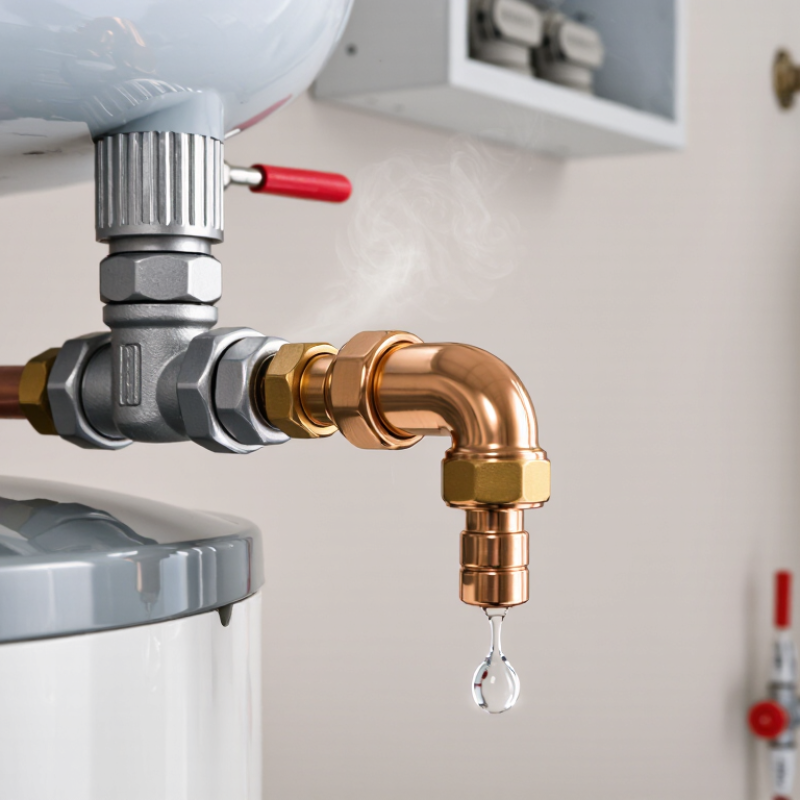
A geyser pressure valve helps protect the tank when water pressure or temperature rises beyond a safe limit. It opens to release a small amount of hot water, reducing stress inside the system. As water heats, it expands; that pressure needs a safe route out. The valve’s outlet pipe may therefore show a brief drip during or after heating. That can be normal.
A steady leak deserves attention. Mineral deposits can prevent the valve from sealing, while unusually high supply pressure or a worn valve may also cause dripping. It is easy to blame the valve alone, but the underlying pressure may be the real issue. Do not block or cap the outlet pipe. If it keeps discharging, or releases a large amount of hot water, avoid touching the pipe and arrange an inspection by a qualified plumber. They can check the valve, system pressure, and installation safely. Even a small, persistent drip is worth investigating; waiting may waste water and hide a developing fault.

A leak near a geyser’s pressure valve does not always come from the valve itself. Dry the outside of the pipe and nearby fittings with a cloth, then watch for the first wet spot. Keep your hands clear of hot water. Never plug or cap the discharge pipe; it must remain able to release pressure.
If water appears at the pipe’s open end, the valve may be releasing pressure, or the valve may be worn. A brief discharge during heating can occur, but steady dripping deserves attention. If moisture starts where the valve screws into the geyser, the joint may be leaking. Water running down from above can make the source look misleading. That clue is not proof.
Check the area when the geyser is cool, and note whether the leak changes during heating. Look for mineral crust, rust, or damp insulation around the connection. Take a photo from a safe distance, and record how often water drips. A small detail can help a qualified plumber trace the leak. I might misread a stain, too; condensation and an actual leak can look alike. If water is hot, flowing steadily, or near electrical parts, keep clear and arrange prompt professional inspection.
A geyser pressure valve may drip because system pressure rises above its setting, thermal expansion has nowhere to go, or the valve’s sealing parts have worn or collected debris. In a closed plumbing system, heated water expands; a small discharge during heating can occur, but steady dripping deserves attention. It is tempting to blame the valve alone. That can miss the real cause.
The Insurance Institute for Business & Home Safety (IBHS) has reported that slow leaks or bursts account for about 69% of water-heater failures in its analysis. That figure covers heater failures, not pressure-valve leaks specifically, but it highlights why persistent moisture should not be ignored. Look closely: is water coming from the valve outlet, its threaded connection, or the tank seam? Those clues point to different problems, including excess pressure, a faulty valve, or corrosion.
A pressure gauge reading above the local system’s normal range can suggest excessive supply pressure; a plumber can test it safely. Sediment may also interfere with the valve seat, while repeated dripping can wear components further. Don’t plug or cap the discharge pipe. It is a safety outlet. A technician can check pressure, thermal expansion control, valve condition, and the heater’s age before replacing parts. I would avoid treating one drip as proof of a bad valve; the source matters.
A pressure-and-temperature (T&P) relief valve is a safety device. Occasional discharge can happen during heating, but persistent leaking needs investigation. Never cap, plug, or obstruct the discharge pipe.
| Common cause | Typical signs | Why it can cause a leak | Recommended next step | Urgency |
|---|---|---|---|---|
| Excessive water temperature | Water discharges while the geyser is heating; hot water may be unusually hot. | The valve opens when temperature or pressure exceeds its rated limit. A thermostat fault can allow water to overheat. | Stop using the heater if overheating is suspected and have the thermostat and heating controls checked by a qualified technician. | Prompt attention |
| Excessive water pressure | Dripping continues even when the geyser is not actively heating, or other plumbing fixtures show unusually high pressure. | Pressure above the valve’s rating can make it release water to protect the cylinder. | Ask a plumber to measure the supply pressure and check any pressure-reducing equipment. Do not adjust the valve yourself. | Arrange a check |
| Thermal expansion in a closed system | A small amount of water appears during a heating cycle, then stops after the water cools. | Water expands as it heats. In a system that prevents expansion from returning to the supply, pressure can rise and trigger the relief valve. | Have a qualified plumber check whether the system’s expansion-control components are suitable and functioning correctly. | Monitor and arrange a check |
| Worn, corroded, or contaminated valve | The valve drips continuously, leaks after a discharge event, or shows visible corrosion or mineral deposits. | Wear, corrosion, or debris on the sealing surface can prevent the valve from closing fully. | Have the valve inspected and replaced if necessary with a correctly rated, compatible safety valve. Never seal the leak with tape or a plug. | Arrange repair |
| Leak at a pipe connection or fitting | Water appears around the valve threads or pipe joint rather than from the valve’s discharge outlet. | A loose, damaged, or poorly sealed connection may leak independently of the valve’s safety operation. | Ask a plumber to identify the leak source and repair the connection. Do not tighten or dismantle a hot, pressurized valve. | Arrange a repair |
Safety: Relief water may be hot and can cause scalding. Keep people clear of the discharge outlet. If water is flowing heavily, the cylinder appears damaged, or you suspect overheating, switch off the heater only if it is safe to do so and contact a qualified plumber promptly.
Why Is My Geyser Pressure Valve Leaking?
How to Assess the Leak and Reduce Immediate Risk
A pressure valve may release a little water as the geyser heats. A steady drip, frequent discharge, or sudden gush needs attention. From a safe distance, check when the leak happens and whether water is warm, forceful, or accompanied by unusual noises. Never touch the valve or discharge pipe; escaping water can scald. Keep children and pets away. A photo can help a qualified plumber assess the pattern later.
If water is flowing heavily, or you notice steam, bulging, or a burning smell, move away and seek urgent professional help. If it is safe and you know how, isolate the geyser’s power or fuel supply using its normal controls. Avoid wet switches and do not attempt repairs while the unit is hot or pressurized. Never block, cap, or adjust the valve. That can prevent pressure from escaping and create a serious hazard. A persistent leak may relate to excess pressure, a worn valve, or thermal expansion; inspection is needed to identify the cause.
Tips: Place a bucket beneath the outlet only if it can be done without approaching hot water. Note the leak’s timing and approximate amount. Don’t mistake a temporary drip for proof that everything is fine; I’d rather have a professional check a recurring leak than guess.
Why Is My Geyser Pressure Valve Leaking?
When to Repair or Replace the Valve
A pressure valve is a safety device, not a tap to tighten until it stops. A brief discharge while water heats may reflect thermal expansion, but steady dripping needs investigation. Mineral grit can prevent the valve seat from closing; excessive system pressure or a worn valve can also cause leaks. The U.S. Department of Energy’s Energy Saver guidance estimates water heating uses about 18% of household energy, making correct operation important. But energy use is not the main concern here: a faulty valve can release scalding water.
Repair the surrounding pipe connection if that is the true leak source. Replace the valve if water escapes from its outlet continuously, the body is corroded, or it still leaks after a qualified plumber checks pressure and sediment. A safety valve itself is generally replaced, not dismantled or patched. Never cap its discharge pipe. If the leak is forceful, or the tank looks damaged, switch off the heater only if safe and call a licensed plumber. A small drip can fool you.
Tips: Note when the leak occurs and where it emerges. Keep people clear of hot discharge, and don’t test or remove a hot valve yourself. A plumber can verify the valve’s rating against the heater and diagnose excess pressure before fitting a replacement.