A nozzle band heater has a small footprint, but its performance can affect melt consistency, cycle stability, and machine uptime. The Duraband Nozzle Band Heater is worth evaluating when a process needs dependable heat around an injection molding machine’s nozzle. A well-matched heater can help maintain the setpoint as material moves through the nozzle. Fit matters. Heat does too.
Selection should start with the nozzle’s diameter, heated length, voltage, and required wattage. Check the heater’s dimensions against the machine, and confirm that its terminals and wiring suit the installation. A close fit supports better heat transfer; an oversized or poorly secured band can create uneven temperatures. Consider the operating environment as well. Frequent temperature changes, limited clearance, and nearby equipment can all affect service life. Small details matter.
A practical decision also depends on the controller and temperature sensor. Confirm that the sensor is positioned correctly and that the control system can manage the heater’s electrical load. Review the manufacturer’s specifications rather than relying on appearance or a similar model’s ratings. If a process has persistent cold spots or unstable readings, changing the heater alone may not solve the issue. That is easy to overlook. Inspect the wiring, sensor, and nozzle contact before drawing conclusions. Choosing a Duraband Nozzle Band Heater should be a measured fit-and-performance decision, not simply a brand preference. Verify compatibility with the machine and process before ordering.
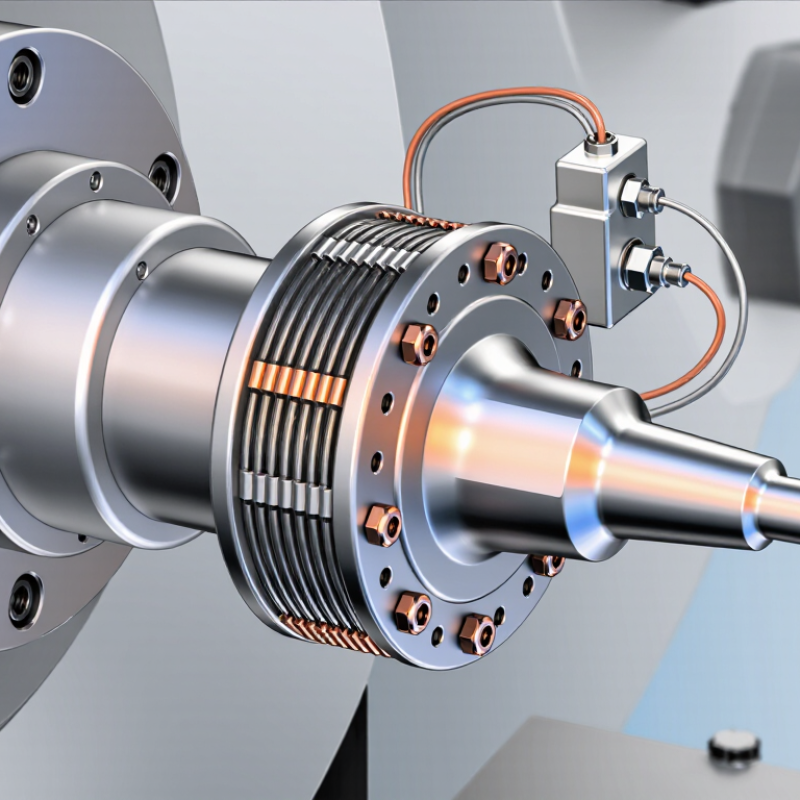
A nozzle band heater is an electric resistance heater that wraps around an injection-molding machine’s nozzle. Its metal casing transfers heat to the nozzle, while internal insulation separates the heating element from the outer shell. A snug fit matters. Gaps can create uneven temperatures, leaving one side of the nozzle cooler than the other. A thermocouple near the nozzle helps monitor temperature, though its reading may not match the melt temperature exactly.
“Duraband” is not a universal technical category, so the construction should be checked against the equipment specification. In practice, a durable band heater is expected to tolerate repeated heating cycles, vibration, and routine cleaning. The U.S. Department of Energy’s 2015 Bandwidth Study on Energy Use and Potential Energy Saving Opportunities in U.S. Manufacturing identifies process heating as a major manufacturing energy use, accounting for about 36 percent. That figure covers manufacturing broadly, not nozzle heaters alone. It does underline why insulation, fit, and temperature control deserve attention.
A detail operators sometimes overlook: a heater can be functioning while poor contact still causes temperature variation. I would verify dimensions and sensor placement before judging performance.

A nozzle band heater is shaped to sit close around a machine nozzle, placing heat where plastic needs to flow. Its curved metal shell helps maintain contact with the nozzle surface, while the internal resistance element spreads heat around the circumference. This arrangement can reduce cooler spots compared with heating from one side alone. It is focused, not magical. Small gaps matter.
Even heating depends on more than the heater’s shape. A correctly sized band, firm installation, and a suitable temperature controller all help limit temperature swings. In operation, a technician can check readings at the nozzle and watch for uneven melt or slow recovery after a cycle. These details reveal problems that a setpoint alone may hide. The design also needs to match the nozzle’s diameter and operating range; a poor fit can waste energy and create uneven contact. Insulation may help retain heat, but it can also make inspection less convenient. There is a trade-off. Routine checks of clamps, wiring, and temperature response keep performance more predictable, though they cannot compensate for a damaged heater or faulty control system.
A nozzle band heater delivers heat directly around the injection-molding nozzle, helping maintain a steady melt temperature near the mold. Even heating can reduce cold spots, sluggish flow, and blemishes caused by material cooling at the nozzle tip. A properly sized band also heats the metal surface closely, rather than warming nearby air. The fit matters.
The U.S. Department of Energy’s Improving Process Heating System Performance: A Sourcebook for Industry estimates that process heating accounts for about two-thirds of manufacturing energy use. That figure puts thermal control in perspective, but it does not mean a nozzle heater alone will create large savings. Heater sizing, insulation, sensor placement, and controller settings all affect results. In practice, a poorly positioned thermocouple can make a stable-looking display misleading. Operators should check actual temperatures and inspect wiring and clamping during maintenance.
Tips: Match the heater’s dimensions and voltage to the nozzle. Keep the sensor firmly attached, and watch for uneven color or melt flow. Small details matter. A heater can still underperform if the nozzle contact is loose.
Nozzle band heaters are used wherever a machine needs controlled heat around a cylindrical nozzle or short barrel section. In plastics processing, they help keep polymer melt moving through injection-molding and extrusion equipment. A stable nozzle temperature can reduce cold spots, uneven flow, and rejected parts. Small changes matter.
These heaters also appear in hot-runner systems, packaging machinery, and laboratory equipment that processes thermoplastics. Operators can fit them around compact metal surfaces where a larger heater would be impractical. The U.S. Department of Energy’s process-heating overview reports that process heating accounts for about 36% of energy use in manufacturing. That figure covers many processes, not nozzle heaters alone, but it shows why heat delivery and insulation deserve attention.
In daily operation, technicians check clamp pressure, wiring, and temperature-sensor contact during maintenance. A loose fit can create uneven heating; excessive tightening may damage the heater. The right wattage depends on nozzle dimensions, material, operating temperature, and production cycle. There is no universal setup. Even well-selected heaters can lose efficiency when residue builds up or insulation is neglected, so inspection records are useful. One missed detail can mean a slow warm-up—or a temperature reading that does not reflect the nozzle surface.
| Application | Typical Equipment | Heating Purpose | Useful Design Considerations | Common Process Materials |
|---|---|---|---|---|
| Plastic injection molding | Injection machine nozzle and adjoining melt passage | Helps keep the polymer melt fluid as it travels from the barrel into the mold. | Match the heater to the nozzle diameter and heated length. Confirm clearance for the nozzle tip, thermocouple, wiring, and clamp. | Thermoplastics such as polyethylene, polypropylene, ABS, and polystyrene; processing temperatures depend on the resin grade. |
| Small-scale plastic extrusion | Extruder adapter, die inlet, or compact extrusion head | Supplies localized heat to help reduce cooling and maintain a consistent melt path near the die. | Consider the surface shape, available mounting space, operating temperature, and whether the heater can be installed securely. | Common extrusion thermoplastics, including polyethylene and polypropylene; material-specific processing guidance should be followed. |
| Blow molding | Extrusion blow-molding head or parison-head area | Supports temperature control around the melt outlet so the parison can be formed under the intended process conditions. | Check the head geometry and nearby moving parts. Heat distribution and sensor placement should suit the equipment layout. | Blow-molding grades of polyethylene and other thermoplastics selected for the process. |
| Thermoplastic compounding and feeding | Compact transfer blocks, feed passages, and heated adapters | Provides localized heat where a polymer stream may otherwise lose heat between process sections. | Verify the contact area and mounting method. A band heater is most suitable where its shape can fit closely around the heated component. | Polymer melts and blends used in compounding; suitable temperatures depend on the formulation and equipment. |
| Laboratory and pilot-scale processing | Small extruders, molding units, and interchangeable heated nozzles | Offers localized heating for trials, material evaluation, and small-batch processing. | Choose a heater compatible with the equipment’s dimensions and electrical supply; allow for safe access to controls and wiring. | Small quantities of thermoplastics used in research, testing, or process development. |
| Specialized hot-melt dispensing | Heated dispensing head or compact nozzle assembly designed for a band heater | Helps maintain the intended flow characteristics of heat-sensitive or temperature-controlled materials. | Confirm that the material and nozzle assembly are rated for the selected temperature and that temperature sensing is appropriately located. | Compatible hot-melt materials, where specified by the dispensing-equipment and material suppliers. |
Selection note: Heater dimensions, wattage, voltage, temperature rating, sensor arrangement, and installation method should be selected for the specific equipment and process. Follow the equipment and heater manufacturers’ instructions.
Choosing the right nozzle band heater starts with accurate measurements. Record the nozzle’s outside diameter and the heated length, then check the available clearance around the machine. A heater that is too loose may transfer heat poorly; one that is too tight can be difficult to install. Fit matters. Measure twice.
Next, match the heater’s voltage and wattage to the machine’s electrical supply and heating needs. Consider the resin, operating temperature, and how quickly the nozzle must recover heat between cycles. These details affect performance, but higher wattage is not automatically better. Check the equipment specifications, and confirm the heater’s temperature rating and lead arrangement before ordering.
Look closely at the control setup, too. A compatible thermocouple and controller help maintain stable nozzle temperatures. Note where wires exit, since a lead pressed against a hot surface may wear prematurely. Installation details are easy to overlook. Keep the band seated evenly and follow the heater maker’s fitting instructions; forcing a poor fit can damage the assembly. If measurements or sensor compatibility are uncertain, verify them with a qualified technician before installation.