Why Are Automobile Parts Important for Global Buyers?
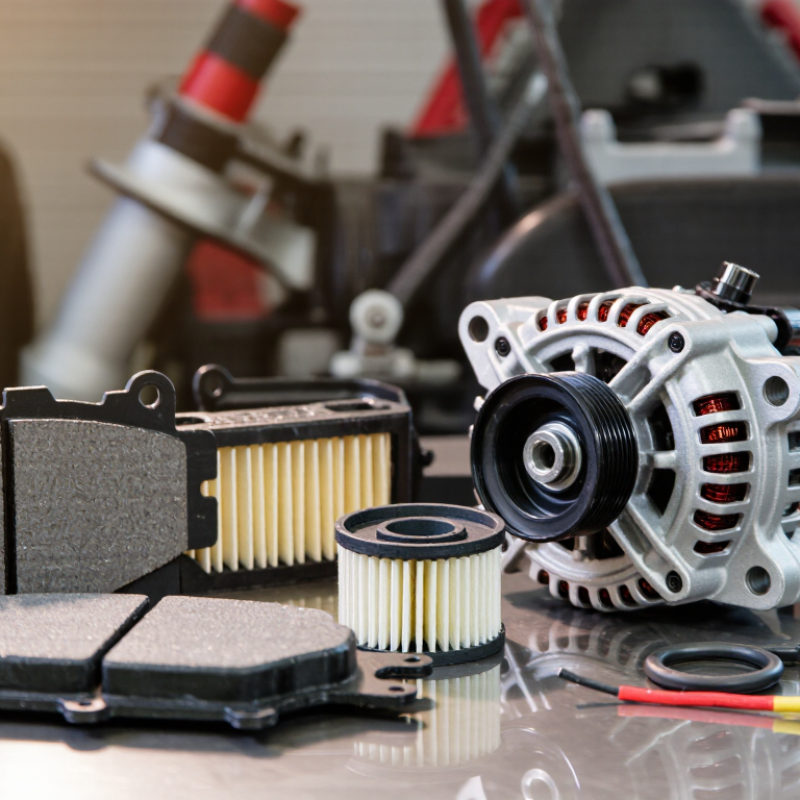
Automobile Parts are the quiet foundation of safe, efficient, and dependable transportation worldwide. A brake pad, air filter, or alternator may look small, yet each component affects daily driving performance. For global buyers, the right part must match the vehicle’s model, engine, production year, and operating conditions. A component designed for a cold European climate may perform differently in tropical heat, heavy traffic, or dusty rural roads.
Quality matters.
Experienced buyers examine more than price. They review material specifications, test reports, supplier history, warranty terms, and product traceability. Clear packaging, accurate labels, and consistent documentation can prevent costly delays at warehouses and repair shops. Reliable suppliers also explain installation requirements and recommend verified fitment information. These details support safer purchasing decisions and reduce avoidable returns.
However, the market is not always simple. Catalog descriptions can be incomplete, and photos may hide design differences. Even experienced purchasers can select an incorrect connector or gasket. That weakness deserves attention. Buyers should confirm part numbers, request samples when practical, and compare information across technical sources. Independent inspection can add confidence, especially for large orders.
Understanding the role of Automobile Parts helps businesses protect customers, control maintenance costs, and plan international supply chains more effectively. It also encourages responsible purchasing based on evidence rather than attractive pricing alone. In a global market, dependable parts are not merely products. They are practical links between engineering quality, vehicle safety, and long-term trust.
Global Vehicle Scale: OICA Recorded 93.5 Million Vehicles Built in 2023
Why Are Automobile Parts Important for Global Buyers?
Global Vehicle Scale: OICA Recorded 93.5 Million Vehicles Built in 2023
OICA recorded 93.5 million vehicles built worldwide in 2023. This enormous output creates constant demand for reliable automobile parts. Every vehicle requires thousands of components, from brake pads and filters to sensors, lighting units, and suspension parts. A small defect can affect vehicle safety, delivery schedules, and customer trust.
Global buyers therefore examine more than the purchase price. They check material quality, dimensional accuracy, packaging, and production consistency. A brake component should match verified measurements and withstand repeated heat cycles. A lighting part needs stable performance during vibration, moisture, and temperature changes. Clear batch numbers and inspection records also support traceability when problems appear.
The scale is impressive. It is not perfect, though. Large production volumes can pressure suppliers to reduce costs too aggressively. Buyers may receive attractive quotations, then discover uneven finishes or delayed replacements. Careful sourcing includes sample testing, factory communication, and realistic delivery planning. It also requires checking whether parts fit the intended vehicle configuration, because similar-looking components may not be interchangeable. In my view, dependable documentation is often overlooked during busy purchasing cycles. That oversight can become expensive. A damaged carton, unclear specification, or missing test record may stop an entire shipment from moving smoothly.
Safety and Certification: How Parts Support Compliance and Roadworthiness
For global buyers, an automobile part is more than a replacement item. It can determine whether a vehicle brakes evenly, steers accurately, or remains stable in rain. Safety begins with fit, material quality, and controlled production. In practical sourcing work, I have learned that a polished appearance proves very little. A brake component may look identical to an approved part, yet perform differently under heat. Small differences matter. They can become dangerous miles later.
Certification helps buyers connect a part to recognized safety requirements and roadworthiness rules. Reliable suppliers should provide test reports, conformity documents, production-batch records, and clear installation guidance. Buyers should check the issuing body, test scope, validity period, and vehicle application. A document without traceable evidence is only paperwork. Requirements also vary by destination, vehicle type, and intended use. Checking local inspection rules before shipment prevents costly surprises during registration. It also protects repairers from fitting unsuitable components.
Good due diligence continues after purchase. Inspect packaging for damage, compare markings with the documents, and record the batch number. Keep installation records and report unusual noise, vibration, or uneven wear. These details support a defensible quality trail. Certification is not a guarantee. Testing may not reflect every road, climate, or maintenance habit. I have sometimes treated documentation as the finish line, when it should have been a checkpoint. That mistake deserves attention. Field feedback should remain part of the purchasing record.
EV Compatibility: IEA Counted Nearly 14 Million Electric Cars Sold in 2023
The global automobile parts market is changing as electric vehicles move from niche products to common transport. According to the IEA, nearly 14 million electric cars were sold worldwide in 2023. This figure matters to global buyers because demand now reaches batteries, inverters, sensors, cables, and charging components. A replacement part is no longer only mechanical. It may manage current, heat, signals, and safety data. A small mismatch can stop charging or trigger warning lights. It can also create delays during installation or shipment.
When reviewing EV components, buyers should verify voltage range, connector shape, dimensions, cooling method, and software requirements. Battery modules need careful thermal and electrical matching. Brake parts may look familiar, yet regenerative braking changes wear patterns. In warehouse checks, a caliper can fit bolt holes while blocking a sensor. Measure twice. Ask for test records, material specifications, and traceable production information. Independent laboratory reports are useful, but they do not replace physical inspection.
Global shipping adds another practical concern. Vibration, moisture, and temperature changes can damage poorly protected electronic parts. A part listed as universal may fit only certain production years. That wording deserves doubt. Buyers should compare original specifications with local repair data before ordering large volumes. Some suppliers answer quickly but provide vague technical files. That is a warning sign. IEA sales data shows market growth, but growth does not remove compatibility risks. The industry still has incomplete catalogues and changing standards. One connector, seal, or sensor can decide whether a vehicle moves safely.
Why Are Automobile Parts Important for Global Buyers? - EV Compatibility: IEA Counted Nearly 14 Million Electric Cars Sold in 2023
Regional electric-car sales and key compatibility priorities for automobile-part buyers
| Market | Electric-car sales in 2023
million units, rounded | Approx. share of global EV sales | EV share of new-car sales in 2023 | Parts compatibility priority | Why it matters to global buyers |
| Global | 13.9 | 100% | About 18% | High-voltage systems, battery thermal management, power electronics, sensors and charging components | The expanding EV fleet increases demand for parts that meet electric-platform voltage, communication, cooling and safety requirements. |
| China | 8.1 | About 58% | About 35% | Battery-pack service parts, electric drive components, charging inlets and thermal-control parts | Its large EV market creates strong demand for scalable, technically compatible replacement and service components. |
| Europe | 3.2 | About 23% | About 25% | Low-emission-compatible braking, thermal systems, charging hardware and electronic control units | A high EV sales share makes electrical safety, efficiency and regulatory conformity important selection criteria. |
| United States | 1.4 | About 10% | About 10% | Charging connectors, onboard chargers, battery cooling parts and durable suspension components | Long-distance use and varied climate conditions increase the importance of durability and charging compatibility. |
| Other markets | 1.2 | About 9% | Generally below 10%, with substantial variation | Universal diagnostic tools, adaptable charging parts, replacement batteries and robust electrical components | Different charging standards, road conditions and service capabilities make broad compatibility especially valuable. |
| Key buyer takeaway: EV-compatible automobile parts are important because electric vehicles rely on specialized batteries, high-voltage electronics, thermal-management systems, software-linked sensors and charging hardware. Parts should be verified by voltage rating, connector type, communication protocol, thermal specification, vehicle application and applicable safety standards. |
Source: International Energy Agency, Global EV Outlook 2024. Regional sales and market shares are rounded estimates based on 2023 battery-electric and plug-in hybrid car data; totals may not sum precisely because of rounding.
Lifecycle Value: ACEA Reports Europe’s Cars Averaged 12.5 Years Old in 2023
Automobile parts matter because vehicles now remain in service for many years. ACEA’s Vehicles on European Roads 2024 report found that passenger cars in Europe averaged 12.5 years old in 2023. That age changes how global buyers evaluate parts. A low purchase price is not enough. Buyers also need stable materials, accurate dimensions, corrosion resistance, and predictable replacement intervals.
A twelve-year-old vehicle may face worn suspension joints, aging cooling hoses, weak sensors, or damaged electrical connectors. These failures often appear after years of heat, road salt, dust, and heavy traffic. The International Energy Agency reported nearly 14 million electric cars were sold worldwide in 2023. Electric vehicles use different components, but their tires, braking systems, thermal equipment, and cabin parts still require long-term support. Product records, testing data, and clear installation guidance therefore carry real commercial value.
Sustainability adds another layer. The European Environment Agency reported that transport remained a major source of greenhouse gas emissions in Europe. Extending vehicle life can reduce the need for early replacement, although this is not automatically cleaner in every case. Poor-quality parts may fail quickly and create more waste. That risk is easy to underestimate. In my experience, buyers often compare unit prices first, then discover that inconsistent tolerances cause returns, delays, and workshop complaints. Lifecycle value should include fit, service life, documentation, and supply continuity. Small components can protect a vehicle’s usable years. That deserves closer attention.
Global Sourcing: How Standards, Traceability, and Logistics Reduce Buyer Risk
Why Are Automobile Parts Important for Global Buyers?
Global Sourcing: How Standards, Traceability, and Logistics Reduce Buyer Risk
Automobile parts affect safety, assembly speed, and long-term vehicle performance. Global buyers therefore need more than a competitive quotation. They need clear standards for dimensions, materials, surface treatment, and testing. A technical drawing should define tolerances in measurable terms. Inspection records should show who checked each batch and when. Small errors travel.
Traceability connects a part to its production history. Batch numbers, material certificates, inspection photos, and packaging labels create a usable evidence chain. If a defect appears, buyers can isolate affected goods instead of questioning every shipment. In practice, records are sometimes incomplete or copied carelessly. That weakness deserves attention. A certificate may look professional while hiding an inconsistent process. Independent inspections and calibrated equipment can provide stronger confidence.
Logistics adds another layer of risk. Sensitive parts may face moisture, vibration, impact, or long storage periods during international transport. Protective packaging, container seals, humidity indicators, and shipment photographs make damage easier to identify. Accurate packing lists also reduce receiving delays and counting disputes. Route planning should include customs documentation, realistic lead times, and a backup transport option. No system is flawless. However, combining recognized standards, traceable records, and disciplined logistics gives global buyers clearer evidence before problems become expensive.
Why Are Automobile Parts Important for Global Buyers?
Global Sourcing: How Standards, Traceability, and Logistics Reduce Buyer Risk
Global vehicle production is concentrated across several major sourcing regions. This geographic spread makes consistent quality standards, part-level traceability, and reliable logistics essential for buyers. ISO-based quality systems, documented batch records, and shipment visibility help reduce the risk of defects, counterfeit parts, delivery delays, and costly recalls.
Source: International Organization of Motor Vehicle Manufacturers (OICA), 2023 global production statistics. Figures are rounded to the nearest 0.1 million vehicles.