What Are Cargo Storage Containers?
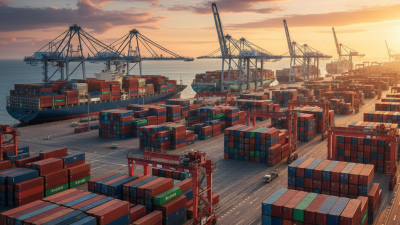
Cargo storage containers are durable steel units designed to hold, protect, and move goods through ports, warehouses, rail terminals, and distribution yards. Their familiar corrugated walls, locking bars, and raised floors support repeated handling. Some remain stationary as temporary storage rooms. Others travel thousands of kilometres across oceans and inland networks.
The scale is substantial. UNCTAD’s Review of Maritime Transport 2024 reported that global seaborne trade reached approximately 12.3 billion tonnes in 2023. The report also projected continued growth, despite capacity pressures and route disruptions. Jan Hoffmann, Chief of the Trade Logistics Branch at UNCTAD, has stated, “Around 80 per cent of the volume of international trade in goods is carried by sea.” That reality explains why cargo storage containers remain central to modern supply chains. Drewry’s Container Equipment Forecaster 2024 also reported a global container fleet exceeding 50 million TEU. These figures show the industry’s physical depth.
Yet size does not guarantee suitability. A container with surface rust may still perform well, while a damaged door seal can expose contents to moisture. That distinction matters. Buyers should inspect flooring, corner posts, locking mechanisms, ventilation, and certification plates. Storage conditions also influence performance. A container placed directly on wet ground may deteriorate faster than expected.
The term sounds simple. The decisions are not. This guide examines container types, capacities, materials, costs, maintenance, and practical selection criteria. It also considers an often-missed issue: a standard shipping container may not be the best long-term storage solution. Careful inspection remains essential.
Definition and Core Purpose of Cargo Storage Containers
What Are Cargo Storage Containers?
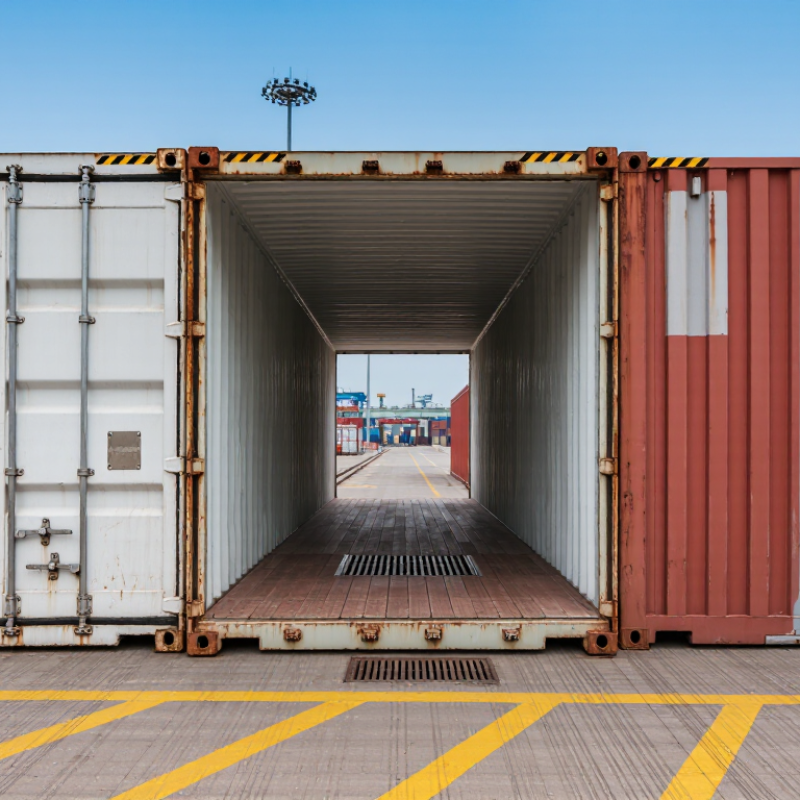
Cargo storage containers are durable, enclosed units designed to hold, protect, and move goods. Their core purpose is simple: keep cargo organized, dry, and accessible during storage or transport. Most units use strong steel walls, locking doors, and raised floors. These features help reduce exposure to rain, dust, impact, and unauthorized access.
In daily operations, a container may sit at a warehouse, construction site, port, or distribution yard. Workers load cartons, tools, spare parts, or palletized materials through wide doors. Internal dimensions matter. A few wasted centimeters can prevent efficient stacking and create unsafe pressure on packages. Good planning records the cargo’s weight, height, moisture sensitivity, and handling needs before loading. That practice sounds obvious. It is often missed.
From a practical perspective, storage containers are more than oversized boxes. They support inventory control by creating a defined space for specific goods. Clear labels, dry pallets, and regular inspections improve reliability. Check the roof after heavy weather. Test door seals. Look for floor damage or trapped moisture. I have found that small maintenance problems become expensive when ignored. However, containers do not solve every storage problem. Poor ventilation can harm sensitive materials, while uneven ground can strain the structure and doors. Choosing the right size, condition, and placement requires measured judgment, not guesswork.
Main Types and Standard Sizes of Cargo Storage Containers
What Are Cargo Storage Containers?
Cargo storage containers are strong, reusable steel units designed to protect goods during transport and storage. They usually have weather-resistant walls, sealed doors, and reinforced corner castings. In practical use, they can hold household items, machinery, packaged materials, or construction supplies. However, a container is not automatically waterproof forever. Door seals, floorboards, and roof panels need regular inspection.
The most common type is the dry storage container. Standard lengths are 20 feet and 40 feet, with an external width of about 8 feet and a height of 8 feet 6 inches. A 20-foot unit usually provides about 1,170 cubic feet of internal space. A 40-foot unit offers roughly 2,350 cubic feet. High-cube containers keep the same length options but reach about 9 feet 6 inches high. That extra foot creates useful overhead clearance for tall shelving or bulky equipment.
Specialized types serve different handling needs. Refrigerated containers control temperature for sensitive goods, while open-top units allow loading through the roof. Flat-rack containers have removable or folding sides for oversized cargo. Internal dimensions and weight limits vary by design, age, and manufacturer. Measurements also change slightly after repairs. That detail is easy to overlook. Before renting or purchasing, measure the access route, door opening, floor area, and planned load. A container may fit the site but still reject the pallet.
What Are Cargo Storage Containers? Main Types and Standard Sizes
Cargo storage containers are durable, weather-resistant units used to store and transport goods.
The chart compares the nominal external dimensions of common dry cargo container types.
Dimensions are shown in feet. Standard external widths are approximately 8 feet; a High Cube container
is approximately 1 foot taller than a standard-height container. Actual internal dimensions may vary slightly
by manufacturer and door configuration.
Construction Materials and Key Design Features
What Are Cargo Storage Containers?
Construction Materials and Key Design Features
Cargo storage containers are steel enclosures designed to protect goods during transport and temporary storage. UNCTAD’s Review of Maritime Transport 2023 states that over 80% of global merchandise trade by volume moves by sea. That scale explains the demand for standardized, stackable units.
Most containers use weathering steel, commonly called Corten-type steel, for their corrugated side panels and roof. The corrugation adds strength without excessive weight. ISO 668 defines standard external dimensions, while ISO 1496-1 covers performance requirements for general-purpose containers. A typical 20-foot unit has corner posts, forklift pockets, double doors, and a marine-grade plywood floor. The door gasket matters. A small gap can invite dust, rain, and insects.
Design quality depends on details people often overlook. A raised floor improves drainage, while ventilation openings reduce condensation inside. Corner castings distribute lifting forces during crane handling and stacking. The Container Owners Association recommends checking door seals, flooring, welds, and corrosion before reuse. It is practical advice, not decoration.
Steel remains vulnerable to scratches and standing water. Paint systems eventually fail. This is the weak point. In construction storage, uneven ground can twist the frame and prevent doors from closing. A level foundation, periodic inspection, and controlled ventilation reduce that risk. The safest specification is rarely the cheapest one.
Common Uses Across Shipping, Trade, and Storage
Cargo storage containers are standardized steel units for moving and holding goods. They connect ships, trucks, rail wagons, and distribution yards. The familiar 20-foot and 40-foot formats simplify handling. Corner castings allow cranes to lift them quickly. Dry containers suit boxed goods, while insulated units protect temperature-sensitive cargo. A container can also sit beside a warehouse as short-term storage. The setup is simple, but moisture, uneven floors, and poor airflow can damage contents.
Shipping remains their largest role. UNCTAD’s Review of Maritime Transport 2024 reports that maritime trade reached about 12.3 billion tonnes in 2023. More than 80% of global merchandise trade by volume travels by sea, according to UNCTAD. This scale explains the container’s value. One sealed unit can remain intact through several transport stages. Ports use standardized dimensions to reduce transfer time. Trading companies use containers for seasonal stock, export staging, and inventory buffering. A 20-foot unit may hold pallets, spare parts, or machinery, but weight limits still matter.
Storage use changes the operating questions. Yard managers should check door seals, floor condition, ventilation, drainage, and safe access. The World Bank’s Logistics Performance Index 2023 covered 139 economies and showed uneven performance in customs, infrastructure, and delivery timeliness. That finding matters for container planning. Delayed cargo may occupy space longer than expected. A cheap unit can become expensive when rent, handling, inspection, and repairs accumulate. The honest lesson is inconvenient: containers create capacity, not perfect organization. Labels fade. Plans change.