What Is a Video Entry Phone and How Does It Work?
A Video Entry Phone is a communication and access-control device installed near an entrance. It lets visitors speak with occupants and share a live image before entry is approved. A typical system includes an outdoor camera unit, an indoor monitor, a microphone, a speaker, and an electric door release. Some models also connect with smartphones or building management software.
When a visitor presses the call button, the outdoor unit sends an alert indoors. The camera captures the visitor’s face and surroundings. The resident can answer, ask questions, and check the entrance through the screen. If the visitor is recognized and trusted, the resident can press an unlock button. The door then opens through a controlled electrical mechanism. Clear audio matters as much as video quality. Echo, poor lighting, or a misplaced camera can reduce practical security.
Professional installation should consider mounting height, weather protection, wiring, network stability, and emergency access requirements. A qualified technician can test the system under real conditions, including nighttime use and background noise. Yet no device guarantees complete protection. A familiar face may still be misidentified, and a connected system may fail during a power or internet outage. That detail is easy to overlook. Regular software updates, access reviews, and maintenance improve reliability. Choosing a Video Entry Phone should therefore depend on the property layout, user needs, privacy expectations, and verified product specifications. The best system is not always the most expensive one. It is the system people can operate correctly, every day.
What Is a Video Entry Phone?
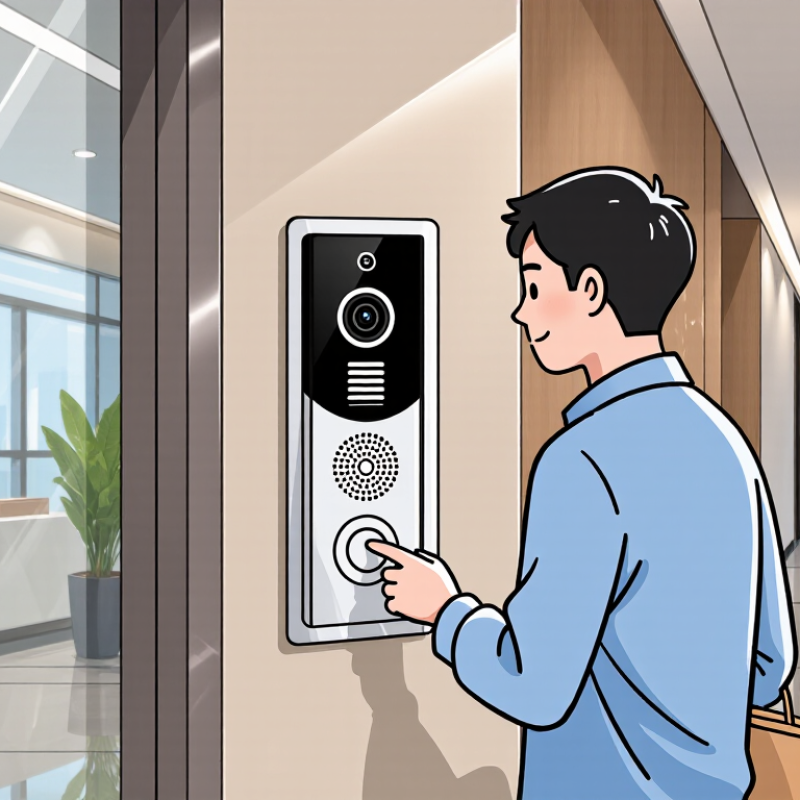
A video entry phone is a communication device that lets people see and speak with visitors before opening a door or gate. It usually includes an outdoor camera, microphone, speaker, call button, and indoor monitor. Some systems also connect to a mobile application through a secure network. The visitor presses the button, and the indoor unit rings. A live video image then appears on the screen.
The camera captures the entrance area, while the microphone carries voices in both directions. An authorized resident can answer, ask questions, and release the door lock remotely when appropriate. In my experience, a wide camera angle helps identify parcels, faces, and nearby movement. Clear night vision matters too. A bright hallway or strong backlight can still reduce image quality.
Installation requires careful attention to wiring, network strength, mounting height, and weather protection. The camera should show a visitor’s face without pointing directly into harsh sunlight. Regularly checking the power supply and cleaning the lens improves reliability. It is not perfect. Weak Wi-Fi, background noise, or a poorly positioned camera may cause missed details. I would also avoid opening the door based only on appearance. A video entry phone supports safer decisions, but it cannot replace practical judgment.
How Does a Video Entry Phone Work Step by Step?
A video entry phone combines a camera, microphone, speaker, indoor monitor, and door-release controller. It lets residents see and speak with visitors before opening the entrance. Grand View Research valued the global smart home market at approximately $121.6 billion in 2023, showing the wider demand for connected household security.
The process starts when a visitor presses the outdoor call button. The camera captures the visitor’s face and sends the image to the indoor monitor. A wired system may use two-wire communication, while a networked model sends video through a local internet connection. The resident answers by pressing the talk button. Audio then travels in both directions through the microphone and speaker. If the visitor is trusted, the resident presses unlock. An electrical relay activates the door lock for a short, programmed period. The system may also record a snapshot or send an alert to a mobile device. In practice, video can lag, and poor lighting still causes mistakes.
Tips: Mount the camera around eye level, but check the visitor’s face at night. Use a stable power supply and test the unlock relay regularly. The UL Solutions 2024 Consumer Insights report notes that trust and reliability strongly influence connected-device adoption. That matters here. A clear picture is useful, but dependable access control matters more. Review privacy settings, change default passwords, and avoid placing the monitor where visitors can see household routines.
What Is a Video Entry Phone and How Does It Work?
A video entry phone combines a camera, microphone, speaker, indoor monitor, and door-release control to let occupants identify visitors and communicate before opening the door.
How it works: The visitor initiates a call, the camera and microphone transmit audio and video, the occupant verifies the visitor, and the door can be unlocked through the indoor unit.
What Features and Access Methods Does It Provide?
A video entry phone combines a camera, microphone, speaker, and door-release control. It lets residents see and speak with visitors before opening a door. A small indoor screen may show a courier holding a parcel. Mobile access can also send the live video to a phone. According to MarketsandMarkets’ 2023 Access Control Market report, the sector may grow from about $10.3 billion in 2023 to $15.2 billion by 2028. This growth reflects demand for easier, connected entry management.
The system can provide several access methods. Residents may unlock doors through an indoor monitor, mobile app, PIN, RFID card, or biometric reader. Some systems support temporary QR codes for scheduled visitors. Administrators can record entry events, manage user permissions, and receive alerts when someone presses the call button. Two-way audio helps clarify a visitor’s purpose. However, access logs and facial images require careful handling. Convenience can create privacy concerns if retention settings remain unclear. Connectivity can also fail during a power cut or weak network signal.
Tips: Test every access method during installation, including offline operation. Keep a physical emergency procedure available. Choose adjustable camera angles for clear faces, not just doorways. Review permissions monthly, especially after staff or tenants leave. Industry reports offer useful market direction, but they cannot predict performance in every building. A busy apartment entrance needs different settings from a quiet private office.
Where Are Video Entry Phones Commonly Used?
Video entry phones are common where people need to identify visitors before opening a controlled entrance. Apartment buildings use them at lobby doors, parking gates, and shared corridors. A resident can see a visitor on an indoor monitor, speak through a microphone, and release the lock remotely. In small offices, the same system helps reception staff manage deliveries without leaving the desk.
Multi-tenant housing remains a major use case. A 2024 report by Grand View Research placed the global smart home market at more than 120 billion U.S. dollars in 2023, showing strong demand for connected residential security. Video entry phones fit this trend, especially in new apartments with fiber networks and centralized access management. Property managers also install them in student housing, serviced apartments, and retirement communities. Clear audio matters there. So does large, readable video.
Commercial sites use these systems at staff entrances, clinics, schools, warehouses, and restricted service doors. The Security Industry Association identifies access control as a core part of modern electronic security programs. However, video entry phones are not flawless. Poor lighting can hide a visitor’s face, while weak network coverage may delay communication. Installers should test camera height, night visibility, door-release timing, and emergency procedures on site. A convenient screen cannot replace careful supervision.