How to Use One Way Shipping Containers for Your Next Move or Project
In recent years, the demand for efficient and cost-effective moving solutions has surged, with individuals and businesses alike seeking innovative ways to transport goods and belongings. One way shipping containers have emerged as a versatile option for these moving needs, offering a practical alternative to traditional methods. According to industry reports, the global market for shipping containers is projected to grow significantly, driven by their increasing utilization in various transport sectors. This exponential growth has been fueled by the rising need for eco-friendly and adaptable logistics solutions, as one way shipping containers not only simplify the moving process but also reduce carbon footprints through their reusability.
These containers, which can be used for a single journey, provide a unique opportunity for cost savings and flexibility. Recent studies indicate that using one way shipping containers can reduce moving costs by as much as 30% compared to conventional methods. Moreover, with their robust construction, they ensure the safety and security of goods during transit. Whether you're relocating to a new home or embarking on a large-scale construction project, understanding how to effectively utilize one way shipping containers can enhance your logistics strategy and lead to a more efficient and organized moving experience.

Understanding One Way Shipping Containers and Their Advantages
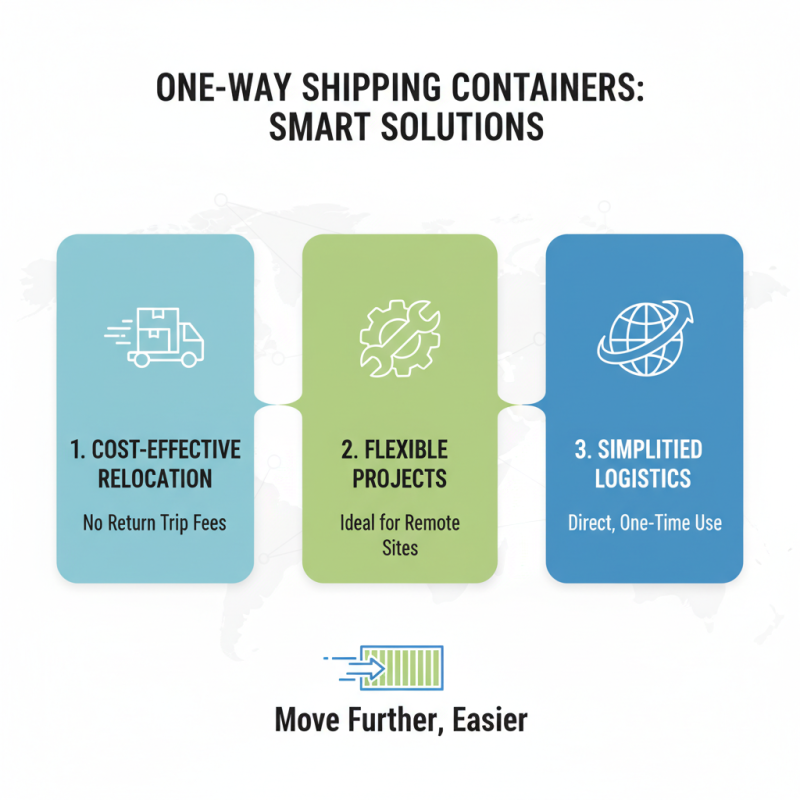
One way shipping containers have gained popularity for various moving and project needs due to their unique advantages. These containers are designed for one-time use, which means they are a cost-effective solution for individuals and businesses looking to transport goods across distances without the need for a return trip. By opting for a one way shipping container, users can eliminate the hassle of returning the container after use, making the logistics of moving simpler and more efficient.
The versatility of one way shipping containers makes them suitable for a wide range of applications beyond traditional moving tasks. They can be employed as temporary storage units on construction sites, pop-up retail spaces, or even as innovative living spaces. Their sturdy construction ensures that contents remain protected from environmental factors during transport and storage. Additionally, with various sizes available, users can select a container that meets their specific needs, whether transporting personal belongings or accommodating larger project materials. Overall, one way shipping containers provide a practical solution for anyone looking to streamline their moving process or undertake a project with minimal hassle.
Choosing the Right One Way Shipping Container for Your Needs
When selecting the right one way shipping container for your move or project, it is essential to consider several factors that align with your specific needs. The shipping container industry is expected to reach a market size of approximately $9 billion by 2025, reflecting a growing demand for versatile and cost-effective solutions. First, assess the volume of goods you need to transport; containers typically come in sizes of 20 feet and 40 feet, with the former capable of holding about 1,172 cubic feet of volume, making it suitable for smaller loads or individual moves.
Another crucial aspect is the condition of the container — whether new or used. Research indicates that new containers may offer better durability and insulation, while used containers can provide significant cost savings without compromising quality, especially for short-term projects. Additionally, consider the shipping route and logistics involved; containers with proper weatherproofing and structural integrity are vital if your cargo needs to endure long-distance transport or adverse weather conditions. Understanding these factors can help ensure that you choose a one way shipping container that not only fits your budget but also meets your project requirements efficiently.
Usage of One Way Shipping Containers for Moving Projects
Preparing Your Belongings for a One Way Shipping Container Move
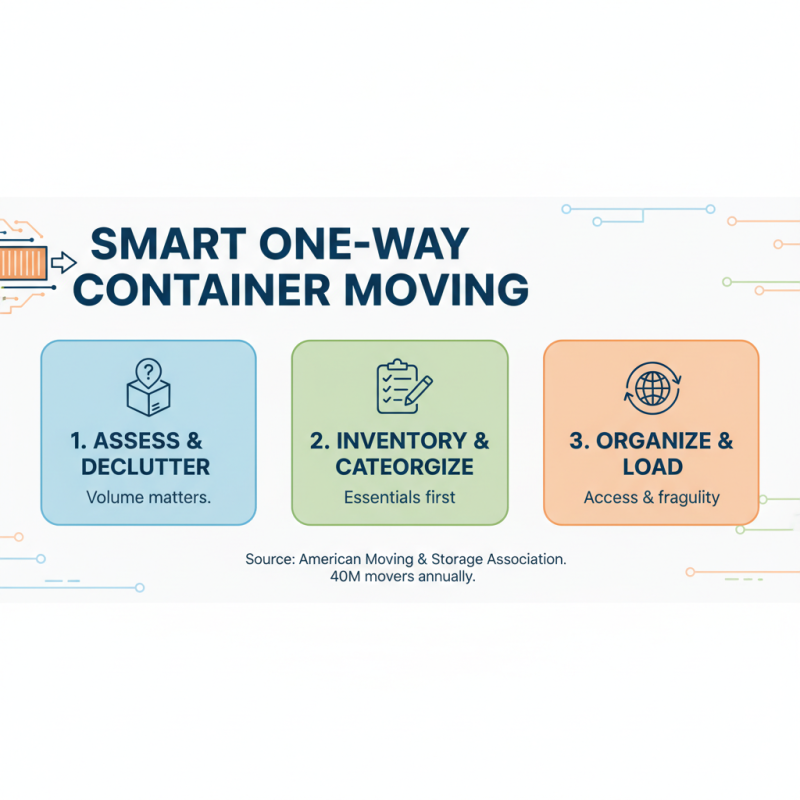
When preparing your belongings for a one-way shipping container move, organization and strategy are paramount. According to data from the American Moving and Storage Association, approximately 40 million Americans move each year, and utilizing a one-way shipping container can significantly streamline this process. Properly assessing the volume of items you intend to transport can help avoid additional costs or logistical challenges. It is advisable to create an inventory list and categorize items based on their importance and fragility, ensuring that essentials are easily accessible.
One effective strategy is to utilize packing materials that provide optimal protection. Research indicates that approximately 15% of items may sustain damage during transit if not properly packed. Utilize padding, bubble wrap, and sturdy boxes, particularly for fragile items. It is also essential to ensure that heavier items are packed at the bottom of the container, as this not only maximizes space but also reduces the risk of damage. Additionally, strategic loading techniques, such as filling gaps with smaller items, can help stabilize the load during transport, ultimately leading to a smoother relocation experience.
Tips for Efficiently Loading Your One Way Shipping Container
Loading a one way shipping container efficiently requires careful planning and organization. Start by making a detailed inventory of all the items you intend to pack. Categorizing items by size and weight can make the loading process smoother. Place heavier items at the bottom, as this creates a stable base for stacking. Use padding materials, such as blankets or bubble wrap, to protect fragile items and fill any gaps to prevent shifting during transport.
Maximizing space is crucial in ensuring all your belongings fit snugly in the container. Disassemble larger furniture whenever possible, as this helps save space and prevents damage. Utilize every inch of available space by stacking boxes of various sizes and filling voids with smaller items. When loading, work methodically from one end to the other, ensuring that weight is distributed evenly across the container. This approach not only conserves space but also ensures the safety of your transports, reducing the risk of damage during the journey.
How to Use One Way Shipping Containers for Your Next Move or Project - Tips for Efficiently Loading Your One Way Shipping Container
| Tip Number |
Loading Tip |
Description |
Estimated Space Required |
| 1 |
Plan Your Layout |
Sketch the arrangement of items to optimize space. |
5-10 sq ft |
| 2 |
Heavy Items First |
Load heavier boxes at the bottom to maintain stability. |
10-20 sq ft |
| 3 |
Use Labels |
Label boxes clearly to find items easily later. |
N/A |
| 4 |
Fill Empty Spaces |
Cushion lighter items in gaps to prevent shifting. |
2-5 sq ft |
| 5 |
Maximize Vertical Space |
Stack boxes safely to utilize the full height of the container. |
Depend on item height |
Managing Logistics and Delivery for Your One Way Shipping Container
When leveraging one-way shipping containers for your next move or project, managing logistics and delivery is crucial to ensure a seamless experience. Start by selecting a reputable container provider that offers reliable delivery options tailored to your needs. Understanding the specifications and restrictions of the container itself is essential for planning your logistics. Measure the space available for both the container's delivery and its placement, ensuring that there are no obstacles that could complicate the unloading process.
**Tips:** Before finalizing your container order, double-check the destination address and any necessary permits required for parking the shipping container on your property or in public spaces. It’s wise to communicate any potential access issues with the delivery company to avoid delays that could disrupt your timeline.
Additionally, plan for the unloading of the container ahead of time. Arrange for necessary equipment, such as forklifts or dollies, and coordinate with your team to ensure everyone knows their responsibilities. Be mindful of the weather conditions on the scheduled delivery date, as adverse weather may affect both the delivery time and the safety of your items.
**Tips:** It's beneficial to create a checklist for unloading to make sure everything is in place. This can help streamline the process and reduce the likelihood of damage or loss during this critical phase of your move or project.