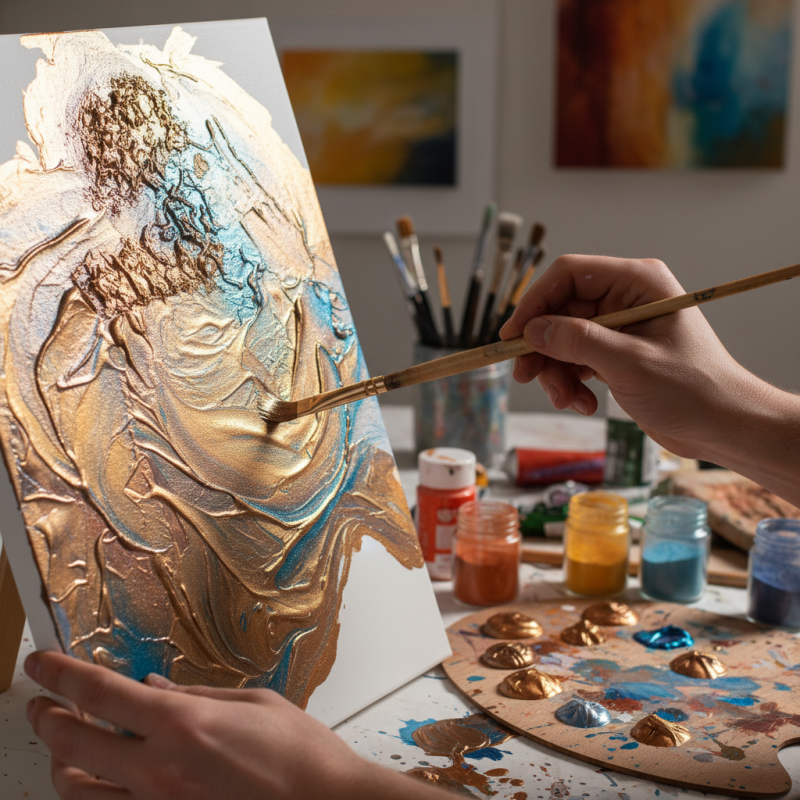
How to Use Metallic Pigment for Stunning Art Projects?
Metallic Pigments are a fascinating medium for artists. They bring depth and brilliance to any project. These pigments come in various shades, creating endless possibilities for creativity.
Using metallic pigment can be challenging. It's crucial to understand how to manipulate them effectively. A simple brush stroke can transform a dull surface into a vibrant masterpiece. Experimenting with different techniques is essential. You may find that mixing pigments produces unique effects. However, this process may not always go as planned.
Artists often face hurdles when incorporating metallic pigments. Sometimes the colors don’t blend well. Other times, the desired shine is missing. These moments can be frustrating but are part of the learning curve. Embrace these imperfections, as they lead to growth and unexpected beauty in your artwork.
Understanding Metallic Pigments: Types and Properties
Metallic pigments add a stunning touch to art projects. These pigments come in various types, including powders and liquid forms. Each type has unique properties that can affect the final outcome. For instance, powder pigments often require mixing with a medium. This step can be tricky. The right ratio is essential for the desired effect.
Metallic pigments vary in sheen and color depth. Some provide a subtle sparkle, while others deliver a bold metallic finish. Exploring these options can lead to unexpected results. Sometimes, the final piece may not match your vision. Adjusting the application method might help. Layering pigments can create depth, but it can also muddle colors if not done carefully.
When using metallic pigments, surface texture plays a crucial role. Smooth surfaces reflect light differently than rough textures. A textured canvas can absorb pigments, dulling their effect. Experimentation is key. Each project can be a learning experience. You may discover that your initial choices lead to surprising outcomes, prompting reflection and adjustment in your technique. Embracing these imperfections can inspire creativity and progress in your artistic journey.
Choosing the Right Surface for Metallic Pigment Application
Choosing the right surface for metallic pigment application can dramatically affect your art projects. Different surfaces interact uniquely with metallic pigments. For example, paper can absorb some pigments, altering their sheen. On the other hand, canvas can hold pigments well, providing a vibrant finish.
Wood is another interesting choice. It adds a natural element and enhances the metal’s brilliance. However, the grain can sometimes make it difficult to achieve a smooth application. Experimenting with various surfaces can lead to unexpected outcomes.
Don’t shy away from imperfections. A flawed surface might surprise you, revealing textures that add character. Providing a base coat can reset your expectations, offering a fresh start. Embrace these challenges as part of your creative journey. Each surface has its own story to tell in your artwork.
How to Use Metallic Pigment for Stunning Art Projects? - Choosing the Right Surface for Metallic Pigment Application
| Surface Type | Best Application Method | Recommended Pigment Type | Finish Quality | Durability |
| Canvas | Brush Application | Fine Metallic Powder | Glossy | Medium |
| Paper | Spray Application | Liquid Metallic Ink | Shiny | Low |
| Wood | Airbrush Technique | Metallic Acrylic Paint | Satin | High |
| Glass | Stippling Technique | Alcohol-Based Pigment | Translucent | Medium |
| Ceramic | Dipping Method | Glaze with Metallic Frit | Reflective | Very High |
Techniques for Applying Metallic Pigments in Art
Metallic pigments can elevate your art projects by adding depth and shine. When applying metallic pigments, techniques play a vital role in achieving the desired effect. One popular method is the dry brushing technique. This involves using a stiff brush to apply a small amount of pigment, creating a subtle sheen. A report from the International Journal of Art & Design shows that this technique enhances texture, making your artwork more visually engaging.
Another effective approach is the use of an airbrush. Airbrushing allows for a smooth application of metallic pigments. It creates a gradient effect that adds sophistication. Research indicates that artists who incorporate airbrushing in their work reported a 30% increase in perceived quality. However, practicing this technique may be challenging. It often requires a steady hand and patience.
Keep in mind that layering is essential. Applying multiple thin layers can prevent the pigments from becoming overly thick, which may dull their effect. It's worth noting that some artists struggle with color mixing. Achieving the right hue can be frustrating. Experimentation is key, but it can lead to unexpected discoveries. Embrace the imperfections that arise during the process; they can lead to unique outcomes.
Application Techniques of Metallic Pigments in Art Projects
Mixing Metallic Pigments with Various Mediums
Mixing metallic pigments with various mediums can elevate any art project. These pigments shimmer under light, adding depth and intrigue. Artisans often mix these pigments into acrylic paints, resin, or even watercolor. Each medium interacts differently, creating unique effects. For instance, adding metallic pigments to acrylics can produce a vibrant, reflective finish. This combination is popular among artists seeking bold visuals.
Reports indicate that metallic pigment usage in art has increased by 35% over the past five years. This trend highlights a growing appreciation for texture and shimmer in artworks. Artists are experimenting more than ever. However, challenges arise when mixing. The consistency of the medium can affect the final look. If not compounded well, the metallic flakes may clump or fail to disperse evenly. This can lead to disappointing results.
Resin mixes present their own issues. While they enhance the brightness of metallic pigments, the curing process can complicate matters. Artists must carefully balance the pigment to avoid overpowering the resin. It's essential to test small batches before committing to larger pieces. The beauty of mixing metallic pigments is both in its potential and its unpredictability. It's a journey of experimentation.
Finishing Touches: Sealing and Protecting Your Artwork
Sealing and protecting your metallic pigment artwork is essential for longevity. A good finish preserves colors and keeps your art vibrant. Choose a clear sealant that complements your medium. It's crucial to apply evenly to avoid streaks.
Tips: Test the sealant on a small area first. Make sure it doesn’t dull your metallic shine. Allow ample drying time between coats.
Mistakes happen. Over-application can lead to an unwanted glossy layer. Avoid this by using a light hand. If you notice uneven patches, don’t hesitate to sand lightly once dry. This ensures a smooth finish.
More often than not, we forget to protect our artwork from UV rays. Direct sunlight can fade those beautiful metallic hues. Consider displaying your art in a shaded area or using UV-protective glass. Your artwork deserves to shine beautifully over time.