2026 How to Use Cargo Shipping Containers for Efficient Transport?
In recent years, the logistics and shipping industries have experienced a notable transformation driven by the increasing demand for efficient transport solutions. According to a report from the International Maritime Organization, the global cargo shipping market is expected to reach $12 trillion by 2026. This surge highlights the necessity for scalable and sustainable methods, particularly the use of cargo shipping containers.
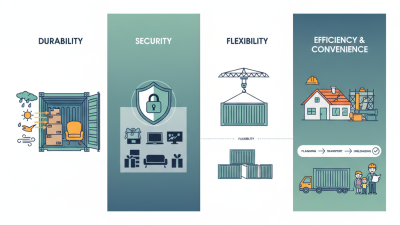
Cargo shipping containers have revolutionized how goods are transported worldwide. They provide a standardized and secure way to move various types of products, minimizing damage and loss. However, it's essential to recognize that not all containers are utilized effectively. Industries must reflect on their strategies to optimize this transport mode.
For instance, studies show that improperly managed cargo shipping containers can lead to increased costs and delays. Companies need to focus not only on quantity but also on the efficiency of their logistics processes. Investing in technology and container tracking can enhance visibility and reduce inefficiencies in the supply chain. Embracing these practices can make a significant difference in overall transport efficiency.

Understanding Cargo Shipping Containers: An Overview
Cargo shipping containers are a vital element in global transport. In 2021, over 190 million containers were in circulation, highlighting their importance. These steel boxes come in standard sizes of 20 and 40 feet, designed for easy stacking and handling. Their intermodal nature allows for seamless transitions between ships, trucks, and trains. However, this system is not without flaws.
Efficiency in handling containers is a concern. A study by the International Maritime Organization emphasized that delays in cargo handling can lead to significant economic losses. In fact, slow port operations can cost shipping companies up to $1 million per hour. Inspecting and unloading containers requires time and labor. Additionally, improper stacking can cause damage and safety hazards. Transporting empty containers back to ports remains a logistical challenge.
Sustainability is another important aspect. Reports indicate that shipping accounts for nearly 3% of global greenhouse gas emissions. While containers themselves are durable, their manufacture and transportation have environmental impacts. Exploring alternative materials for container production could help mitigate this issue. Furthermore, enhancing recycling programs for aging containers is necessary. Addressing these challenges can lead to a more efficient and sustainable cargo shipping process.
Container Shipping Efficiency Metrics
Types of Cargo Shipping Containers and Their Uses
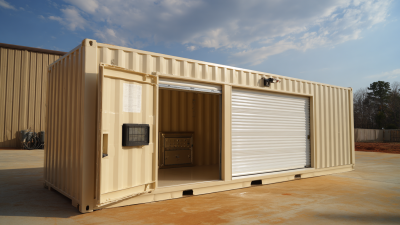
When considering cargo shipping containers, it's essential to understand the different types available. Standard dry containers are the most commonly used. They are perfect for general cargo like electronics and clothing. These containers come in various sizes, including 20-foot and 40-foot options.
Reefer containers are another category. These offer temperature control for perishable goods. They are crucial for transporting food items like fruits and vegetables. The ability to maintain specific temperatures adds value to the supply chain. However, relying on these containers can lead to issues if the temperature systems fail.
Tip: Always check the container's specifications before shipping. This ensures it meets your cargo’s needs.
Open-top containers are also noteworthy. They allow for oversized cargo loading from above. This is useful for machinery or construction materials. However, securing the load can be challenging and sometimes leads to damages.
Tip: Use proper materials to secure your cargo. It saves costs in the long run.
The variety of cargo containers offers a solution for diverse shipping needs. However, understanding their limitations is just as important. Choose wisely based on your cargo requirements.
Steps to Prepare Cargo for Container Shipping
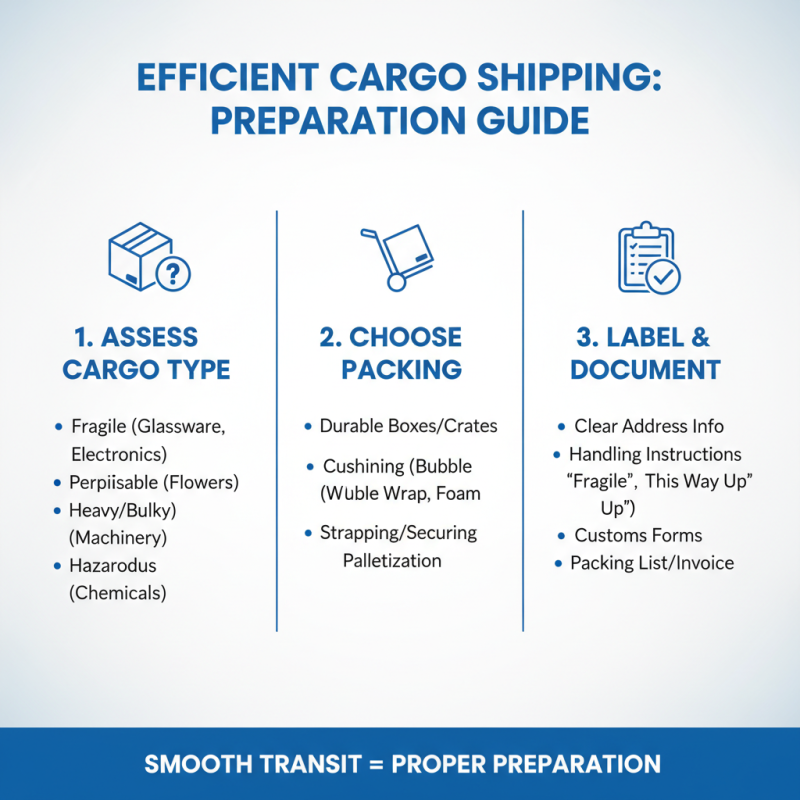
Shipping cargo efficiently requires careful preparation. Proper packing can mean the difference between a smooth transport and significant delays. Begin by assessing the cargo type. Is it fragile, perishable, or heavy? Different items need specific handling.
Use appropriate materials for packing. Bubble wrap works for breakables, while heavy-duty cardboard can support bulkier items. Ensure everything fits snugly within the container. Gaps can cause movement, leading to potential damage. It's also vital to label all packages clearly, reducing the risk of confusion later.
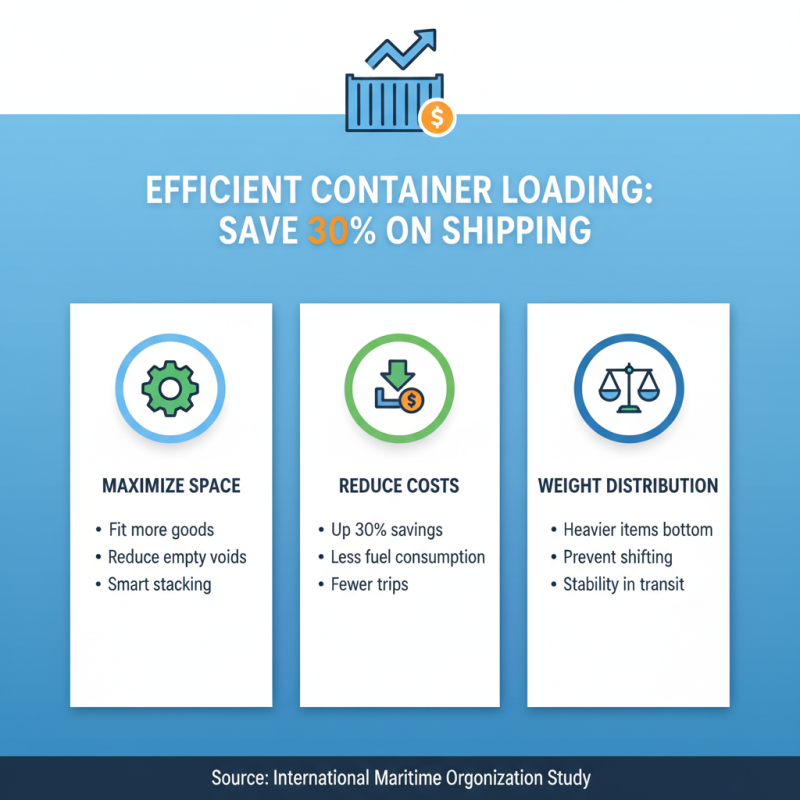
Consider the weight distribution in the container. Uneven loads can create risks during transport. Focus on balance, placing heavier items lower and lighter ones on top. This strategy minimizes moving parts. Lastly, always have a backup plan. Unexpected issues can arise, so it’s wise to think ahead. Reflecting on past experiences helps in making better choices next time.
Best Practices for Managing Container Logistics
Effective container logistics is essential for modern supply chains. According to a report by the International Maritime Organization (IMO), more than 90% of global trade is conducted via shipping containers. Managing these logistics requires a strategic approach.
One key area is tracking containers. Many companies still rely on outdated methods. This can lead to inefficiencies. A recent study showed that poor tracking can increase operational costs by up to 15%. Investing in real-time tracking technology may seem costly, but it generally pays off. It improves visibility and helps prevent delays.
Another challenge is container utilization. Many shipping containers often sit idle, wasting valuable resources. A survey found that nearly 30% of containers are underutilized during transport. Reevaluating loading procedures could maximize space. Containers should be loaded based on weight and goods. This practice not only ensures safety but also reduces transport costs. Reducing empties is a goal that requires continuous effort and reflection.
2026 How to Use Cargo Shipping Containers for Efficient Transport? - Best Practices for Managing Container Logistics
| Container Size |
Weight Capacity (kg) |
Typical Uses |
Estimated Cost (USD) |
Best Practices |
| 20 ft |
28,000 |
General cargo, furniture, vehicles |
2,000 - 3,000 |
Regular inspections and maintenance |
| 40 ft |
30,480 |
Bulk goods, machinery, electronics |
3,500 - 5,000 |
Optimize loading for weight distribution |
| 40 ft High Cube |
30,480 |
Heavy and voluminous cargo |
4,000 - 6,000 |
Utilize space efficiently with best packing methods |
| 10 ft |
10,000 |
Specialized equipment, smaller goods |
1,000 - 1,500 |
Secure fragile items properly |