Top 10 Uses for a 20 ft Cargo Container in Daily Life?
In today's fast-paced world, the versatility of a 20 ft cargo container is often underestimated. John Anderson, a logistics expert with over 15 years of experience, remarked, “A 20 ft cargo container opens a realm of possibilities for everyday use.” From storage solutions to creative living spaces, its applications are abundant.
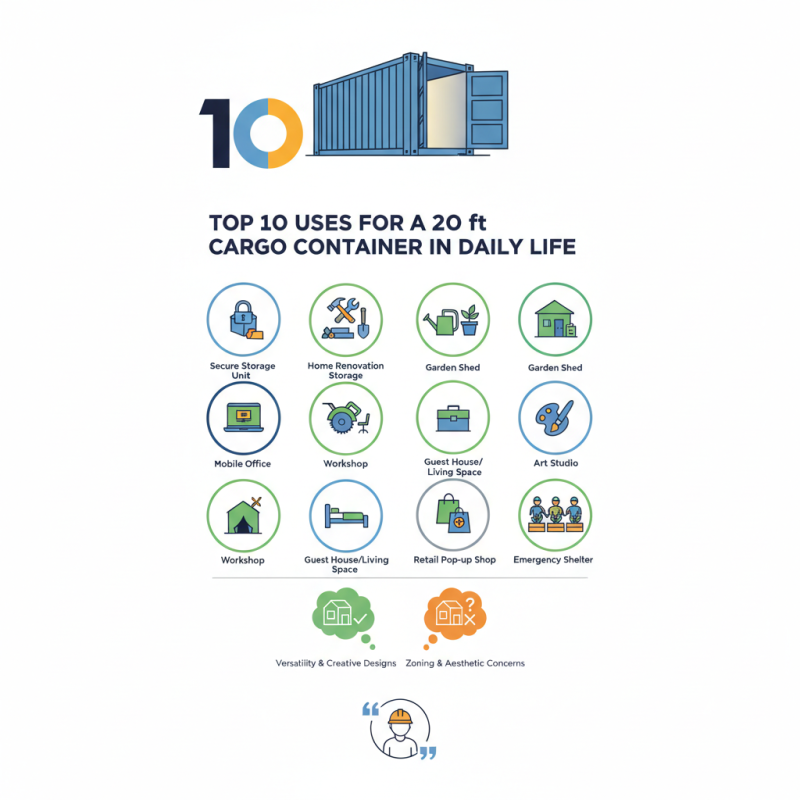
One common use is as a secure storage unit. Households facing clutter can benefit greatly from using a cargo container in their backyard. Renovating a home? A 20 ft cargo container can efficiently hold materials and tools, keeping everything organized.
Additionally, people are transforming these containers into unique garden sheds or even mobile offices. This adaptability showcases the potential of the 20 ft cargo container beyond traditional shipping. However, some may face zoning issues or aesthetic concerns when placing a cargo container on their property. Reflecting on these challenges can lead to innovative solutions and creative designs.
Uses for 20 ft Cargo Containers in Residential Storage Solutions
In recent years, 20 ft cargo containers have emerged as versatile storage solutions for residential use. They can serve as compact garages, ensuring tools and equipment are protected from the elements. According to industry reports, the global market for shipping container conversions is expected to grow by 3.5% annually. This trend reflects the rising appetite for alternative storage solutions in urban areas.
When considering a cargo container for residential storage, proper ventilation is crucial. A poorly ventilated space can lead to mold and unwanted odors. Ensure that your container has adequate airflow to keep stored items in good condition. Adding insulation can also help in extreme weather, keeping items dry.
Moreover, they can be used for personal retreats or workshops. This inventive use transforms a cluttered space into a cozy workspace or creative hub. However, securing the container properly is essential. A neglected container can attract unwanted pests or lead to security concerns.
Tip: A well-designed inventory system inside can help keep track of items. Regularly review what's stored, as needs can change. This reflection will help avoid unnecessary clutter.
Top 10 Uses for a 20 ft Cargo Container in Daily Life
| Use |
Description |
Benefits |
| Storage Shed |
A durable storage solution for tools and equipment. |
Weather resistant, secure, and spacious. |
| Home Office |
An insulated and private workspace alternative. |
Cost-effective and flexible space solution. |
| Playhouse for Kids |
A safe and fun outdoor play area. |
Durable and customizable. Provides a creative space. |
| Workshop |
A dedicated space for woodworking or crafts. |
Organized and contained, protects materials. |
| Garden Storage |
Storage for gardening tools and supplies. |
Keeps items dry and secure from pests. |
| Guest Accommodation |
Converted into a guest room or tiny home. |
Affordable and distinct living space. |
| Emergency Shelter |
Temporary housing during disasters. |
Robust and can be transported quickly. |
| Art Studio |
A creative space for artists to work. |
Inspiring environment with ample space. |
| Fitness Studio |
Home gym for personal fitness regimen. |
Convenient, private, and cost-saving. |
| Outdoor Grill Area |
Setup for an outdoor cooking and dining space. |
Unique and enjoyable social area for gatherings. |
Transforming a Cargo Container into a Home Office Space
Transforming a cargo container into a home office space can be both practical and creative. With a little effort, you can create a cozy work environment. Start by choosing a container that is clean and free from rust. This is crucial for a comfortable workspace.
One tip is to insulate the interior. This step will help maintain a consistent temperature. A well-insulated space is essential for productivity. You might want to use foam or spray insulation for better results. Once insulated, think about adding windows for natural light. Light makes a difference in how we work.
Decorate the interior to reflect your style. A fresh coat of paint can energize the space. Consider adding shelves for organization. Clutter can easily accumulate in a container. Plan for power outlets and internet access too. You don’t want to disconnect from the wider world.
Lastly, think about ventilation. Good airflow is important, especially in a closed space. A small fan or open windows can improve comfort. Don’t forget to include personal touches that inspire you. A plant or a photo can make the place feel like home.
Top 10 Uses for a 20 ft Cargo Container in Daily Life
Utilizing Cargo Containers for Sustainable Urban Farming Initiatives
Urban areas often struggle with limited green space. Cargo containers can transform these spaces into vibrant urban farms. These containers are versatile and can be set up in backyards, rooftops, or vacant lots. With some creativity, they become productive gardens.
Imagine a 20 ft container filled with herbs and vegetables. The walls can be painted bright colors to attract attention. Inside, the temperature can be controlled, aiding plant growth. Growing food in a cargo container reduces transportation costs. It brings fresh produce closer to city dwellers. However, it also presents challenges. Watering systems might fail, or pests could invade. Proper management is crucial to ensure sustainability.
Community involvement is essential. Local workshops can teach residents how to utilize containers effectively. People can share tips and experiences. Mistakes will happen, and that's okay. Learning from them will help the initiative grow. It’s not just about food; it’s about connecting people and building stronger communities through urban farming.
Leveraging 20 ft Cargo Containers for Disaster Relief and Emergency Shelters
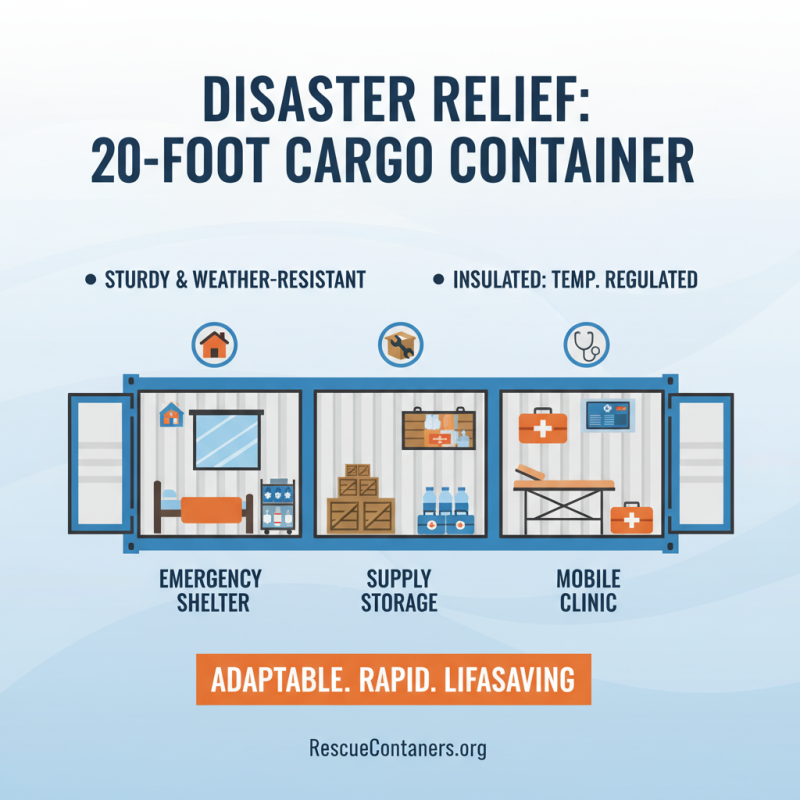
In times of disaster, a 20 ft cargo container can serve as a vital resource. These containers are sturdy and weather-resistant, making them ideal for emergency shelters. People can quickly convert them into basic living quarters, storage for supplies, or even mobile clinics. The insulation helps regulate temperature, offering protection from the elements.
However, using cargo containers isn't without challenges. They require proper ventilation and can become too hot in direct sunlight. Simple modifications are necessary to improve livability. Setting them up can be labor-intensive, demanding teamwork and effort. It's essential to consider accessibility. Not all locations allow easy transport and placement of containers.
Despite these difficulties, the benefits are clear. Containers provide immediate shelter, safeguarding individuals from harsh weather. Their versatility allows for creative solutions in crisis situations. With thoughtful planning and community involvement, these containers can make a significant difference in disaster relief efforts.
Innovative Retail Concepts: Using Cargo Containers as Pop-Up Shops
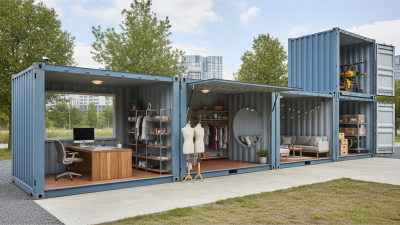
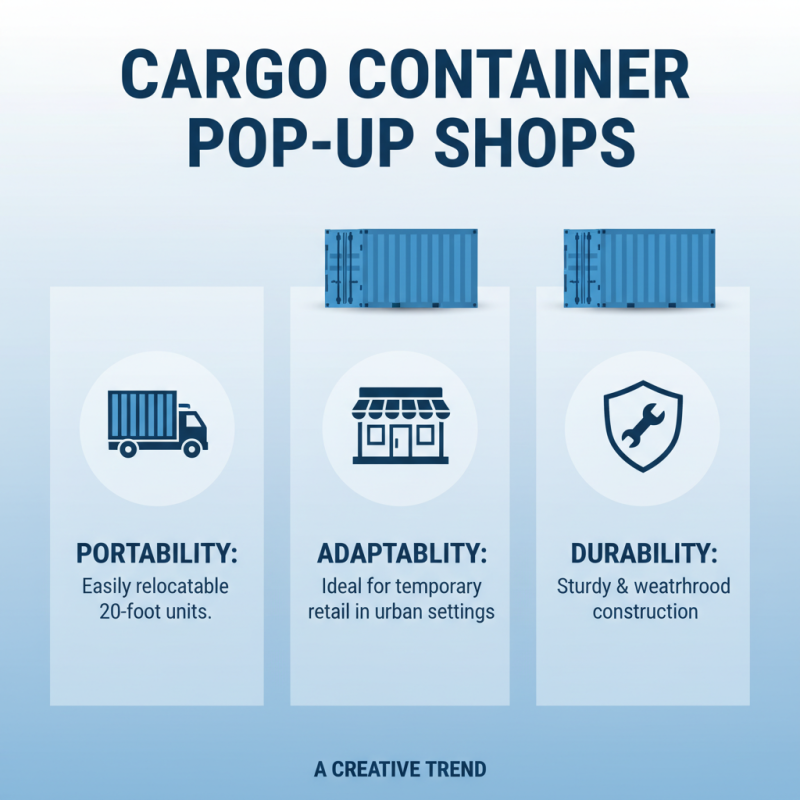
Using cargo containers as pop-up shops is a creative trend. These containers have the advantage of portability. A 20 ft cargo container can easily fit into different urban settings. They are sturdy, weatherproof, and adaptable. This flexibility makes them ideal for temporary retail spaces.
Imagine a container transformed into a chic boutique. Here, you might find unique clothes or handmade goods. The design can be minimalistic, showcasing the items beautifully. However, the layout can also be a challenge. Space is limited, which can make organization tricky. Merchants need to be strategic about placement.
Moreover, using a container brings a unique vibe to shopping. It stands out from regular stores, attracting curious customers. Yet, it might not appeal to everyone. Some shoppers prefer established stores with a familiar feel. Ultimately, cargo containers can provide a fresh perspective on retail but may require adjustments to attract diverse clientele. Embracing this trend might involve facing unexpected hurdles along the way.