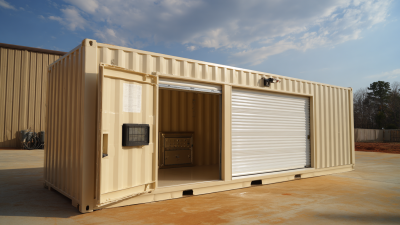
2025 Top Trends in Transport Containers You Need to Know
As we approach 2025, the transport containers industry is on the brink of significant transformation, driven by advancements in technology, sustainability initiatives, and evolving global trade patterns. Experts predict that these changes will not only enhance operational efficiency but also redefine the logistics landscape. John Mitchell, a leading authority in the transport containers sector, states, "The future of transport containers lies in our ability to innovate and adapt to the challenges of a rapidly changing world."
In this context, businesses must stay ahead of the curve by embracing the latest trends that will shape the industry. From smart containers equipped with IoT technology to eco-friendly materials that reduce environmental impact, the evolution of transport containers is both exciting and imperative. Understanding these trends is essential for companies aiming to maintain a competitive edge and meet the demands of an increasingly interconnected global market.
As we delve into the top trends for 2025, it becomes clear that the future of transport containers is not just about moving goods—it's about creating a more efficient, sustainable, and responsive supply chain that can withstand the challenges of tomorrow.

Top Container Transport Trends Shaping the Industry by 2025
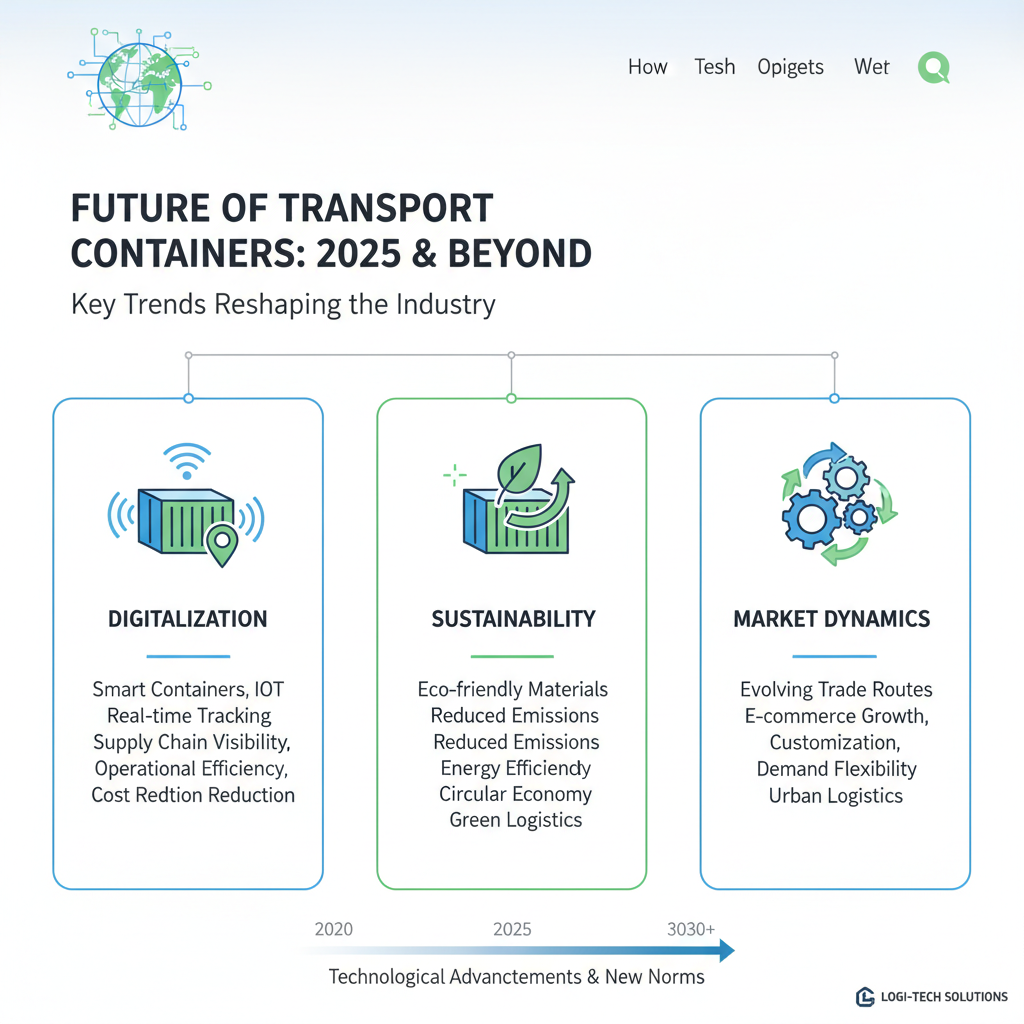
As we approach 2025, the transport container industry is set to undergo significant transformation driven by
technological advancements, sustainability initiatives, and changing market dynamics. One of the key trends reshaping the sector is the increasing adoption of digitalization.
Smart containers equipped with IoT devices allow for real-time tracking and monitoring, enhancing operational efficiency and improving supply chain visibility. This trend is essential for companies aiming to streamline their logistics
and reduce costs.
Tip: Embrace digital technologies in your transport operations to stay competitive. Consider investing in IoT solutions that offer real-time insights, allowing you to make
data-driven decisions quickly.
Another major trend is the heightened focus on sustainability. With global awareness of climate change growing, companies are seeking eco-friendly transportation options.
This includes using more energy-efficient vessels and exploring alternative fuels. Additionally, regulatory pressures are prompting businesses to adopt greener practices, making sustainability not just a preference, but a necessity for long-term success.
Tip: Evaluate your current transport practices and identify areas where you can reduce emissions. Implementing greener technologies can enhance your brand's image and satisfy eco-conscious clients.
Impact of Smart Technology on Transport Container Efficiency
The impact of smart technology on transport container efficiency is reshaping the landscape of global shipping. As the industry moves towards digitization, smart containers equipped with advanced telematics are enhancing tracking capabilities and optimizing logistics operations. The integration of IoT connectivity allows real-time monitoring of cargo conditions, increasing reliability and reducing spoilage, particularly for temperature-sensitive goods. Innovations such as repurposed shipping containers provide sustainable solutions to the housing crisis, demonstrating the versatility of container use beyond traditional shipping.
Tips for maximizing the benefits of smart containers include investing in comprehensive telematics systems. This not only improves visibility but also streamlines the supply chain by giving shippers and clients access to critical data. Furthermore, adopting smart container technology can lead to reduced operational costs through enhanced fleet management and predictive maintenance, ensuring that containers are functioning efficiently at all times. Embracing these technologies is essential for companies looking to remain competitive in the evolving transport landscape.
2025 Top Trends in Transport Containers - Impact of Smart Technology on Efficiency
Sustainability Practices in Container Transport by 2025
As we approach 2025, sustainability practices in container transport are set to redefine the industry landscape. Companies are increasingly focusing on reducing their carbon footprints through various eco-friendly initiatives. Notably, a shift towards using biodegradable materials for packaging and containers is gaining momentum. This not only minimizes plastic waste in our oceans but also aligns with global environmental regulations aimed at promoting sustainability.
Moreover, the adoption of electric and hybrid vehicles for transporting containers is becoming more prevalent. These vehicles significantly lower emissions compared to their diesel counterparts, making them an attractive option for companies committed to greener logistics. Additionally, companies are investing in renewable energy sources, such as solar and wind power, to fuel their operations, further enhancing their sustainability profiles. By 2025, it is expected that these practices will not only improve operational efficiency but also provide businesses with a competitive edge in an increasingly eco-conscious market.
The Role of Automation in Reducing Operational Costs for Transport Containers
The logistics industry is undergoing a significant transformation, with automation playing a pivotal role in enhancing operational efficiency, particularly in the realm of transport containers. Automation technologies, including robotics and AI-driven software, facilitate smoother operations and streamlined processes. By automating repetitive tasks such as inventory management and container tracking, companies can significantly reduce human error and labor costs. This shift not only expedites the movement of goods but also allows personnel to focus on more strategic tasks.
Moreover, the integration of smart technologies in transport containers can provide real-time monitoring and data analytics capabilities. These advancements help businesses anticipate issues before they arise, minimizing delays and optimizing resource allocation. Through automated systems, companies can improve their supply chain responsiveness and reduce operational overhead, leading to substantial cost savings. As these technologies continue to evolve, organizations that embrace automation in their transport container operations will likely gain a competitive edge in the market.
Emergence of Modular Containers in Global Shipping Networks
The emergence of modular containers is poised to revolutionize global shipping networks in 2025, driven by the demand for flexibility and efficiency in logistics. According to a recent report by DB Schenker, modular containers can reduce shipping costs by up to 15% when integrated into traditional supply chain systems. This innovative approach allows for easier intermodal transport and maximizes space utilization, as these containers can be seamlessly stacked and organized according to varying cargo sizes.
Furthermore, the adoption of modular containers is closely linked to advancements in smart logistics technologies. Research from the International Maritime Organization (IMO) indicates that the implementation of IoT-enabled modular containers could enhance tracking and monitoring capabilities, improving supply chain transparency. By 2025, it is expected that over 30% of shipping operations will utilize smart modular containers, potentially increasing operational efficiency by 20%. This trend reflects a significant shift towards sustainability and responsiveness in the global shipping industry, marking a pivotal change in how goods are transported across borders.
2025 Top Trends in Transport Containers You Need to Know - Emergence of Modular Containers in Global Shipping Networks
| Trend |
Description |
Impact on Shipping |
Year of Expected Adoption |
| Increased Use of Modular Containers |
More flexible shipping options for varied cargo types. |
Allows for better space utilization and efficiency in transportation. |
2025 |
| Sustainable Container Solutions |
Focus on recyclable and eco-friendly materials for containers. |
Reduces environmental impact and supports green initiatives. |
2025 |
| Smart Container Technology |
Integration of IoT for real-time tracking and monitoring. |
Enhances security and reduces losses in transport. |
2025 |
| Automation in Container Handling |
Use of automated cranes and vehicles in ports. |
Improves turnaround time and reduces labor costs. |
2025 |
| Blockchain for Shipping Transparency |
Using blockchain for secure and transparent transactions. |
Enhances trust among stakeholders and reduces fraud. |
2025 |