China Best Boiler Centrifugal Fan Suppliers?
Choosing among China’s best Boiler Centrifugal Fan suppliers requires more than comparing prices or catalogue photographs. A reliable supplier must understand boiler draft, combustion stability, dust loading, gas temperature, and continuous operating demands. The fan is not an isolated machine. It is part of a carefully balanced air and flue-gas system.
Dr. Heinz P. Bloch, a respected rotating-equipment reliability authority, offers a practical principle: “Reliability must be designed into equipment, not inspected into it.” This view remains highly relevant when evaluating Boiler Centrifugal Fan manufacturers. Buyers should examine impeller design, casing strength, shaft alignment, vibration limits, motor selection, and factory balancing records. Material choices also matter. Abrasive ash can quickly damage an unsuitable impeller. High-temperature gas can weaken ordinary seals and bearings.
Look beyond impressive websites.
Strong suppliers usually provide performance curves, test documentation, installation guidance, and responsive technical support. Their engineers should explain how airflow and static pressure were calculated. They should also discuss maintenance access, spare parts, and expected service life. Certifications can support credibility, but they cannot replace application-specific verification.
No supplier shortlist is perfect. A manufacturer with excellent welding may lack export experience. Another may offer advanced controls but limited after-sales support. These weaknesses deserve honest attention. Factory audits, sample inspections, reference projects, and clear warranty terms can reduce uncertainty. The best choice is not always the cheapest or largest supplier. It is the supplier that combines tested engineering, stable manufacturing, transparent communication, and dependable support for the boiler’s actual operating conditions.
What Is a Boiler Centrifugal Fan?
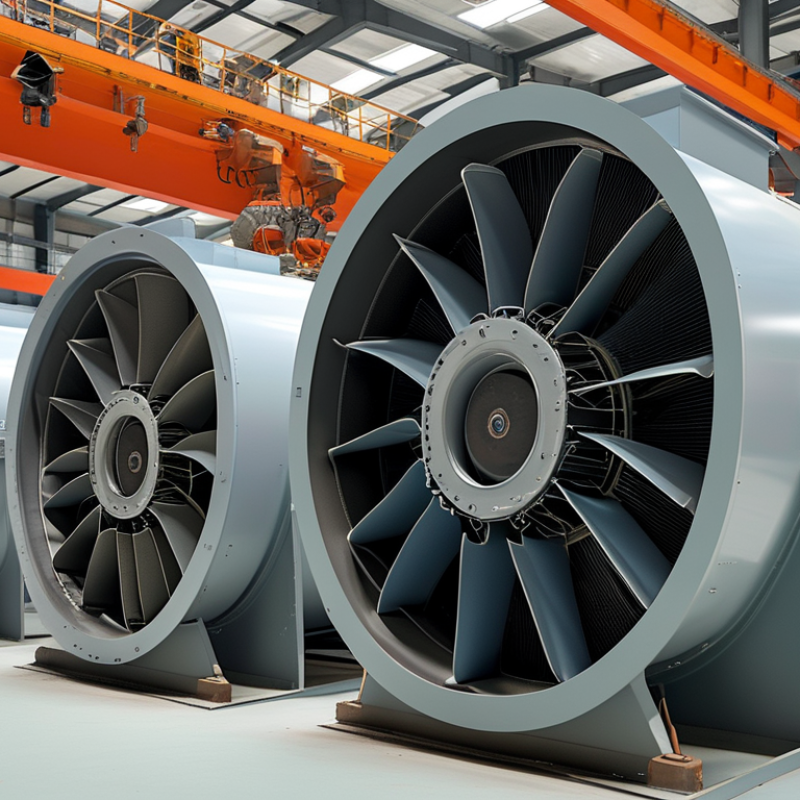
A boiler centrifugal fan is a mechanical device that moves air or flue gas through a boiler system. It uses a rotating impeller to convert motor power into airflow and pressure. Unlike an axial fan, it changes the air direction inside the housing before discharge. This structure suits systems requiring steady pressure against ducts, dampers, filters, and heat-transfer equipment.
In practical boiler rooms, the fan may supply combustion air, remove exhaust gas, or support balanced draft control. Its performance depends on airflow, static pressure, gas temperature, speed, and impeller design. A properly selected unit helps stabilize combustion and reduces uneven furnace pressure. The casing should resist heat and corrosion, while bearings need suitable protection from vibration and dust. Noise also matters, especially near operators.
I have seen fan problems begin with small details. A blocked inlet can increase motor load and weaken combustion. Loose foundations can create vibration before serious damage appears. Supplier data should therefore include tested performance curves, temperature limits, efficiency, materials, and maintenance requirements. Field conditions must match those figures. A larger fan is not automatically better. Oversizing may waste energy and make control difficult. That assumption deserves checking. Regular inspection of belts, bearings, impeller balance, and duct connections supports safer, more reliable boiler operation.
Key Features of High-Quality Boiler Fans
China Best Boiler Centrifugal Fan Suppliers?
High-quality boiler fans must deliver stable airflow under heat, dust, and changing furnace pressure. A reliable centrifugal fan starts with a correctly selected impeller and motor. Airflow matters. Pressure stability matters more during load changes. Engineers should review the fan curve, efficiency range, vibration limits, and operating temperature before purchase. Carbon steel may suit standard systems, while coated or stainless components can improve resistance in corrosive environments. Properly sealed bearings also reduce contamination and maintenance risks.
Noise matters too. A balanced impeller, rigid housing, and accurate shaft alignment can reduce vibration in daily operation. Factory testing should include airflow, pressure, power consumption, insulation, and dynamic balancing. Ask suppliers for traceable test records, material details, dimensional drawings, and clear warranty terms. Supplier audits are useful, especially when production quality varies between batches. A catalogue rating is not enough. In practical inspections, installation errors often cause problems that buyers blame on the fan. Duct resistance, flexible connections, base strength, and access for cleaning deserve equal attention. Oversizing may appear safer, but it can increase energy use and create unstable control. This is an easy detail to miss. The best selection matches verified operating data with the boiler’s actual conditions, not only its maximum capacity.
China Best Boiler Centrifugal Fan Suppliers? Key Features of High-Quality Boiler Fans
Typical total-efficiency ranges for major boiler centrifugal fan duties. High-quality fans generally combine efficient aerodynamic design, stable pressure delivery, low vibration, durable bearings, and temperature-resistant construction.
The ranges shown are typical engineering values used for preliminary boiler-fan selection. Final performance depends on airflow, system resistance, gas temperature, dust loading, speed control, and operating conditions.
How to Evaluate Chinese Boiler Fan Suppliers
Choosing the best Chinese boiler centrifugal fan supplier requires more than comparing prices. A dependable supplier should understand boiler airflow, pressure resistance, temperature limits, and continuous operation. Ask for performance curves, efficiency data, vibration results, and factory test records. These documents reveal whether the quoted fan can meet your actual operating conditions.
Tips: Request material specifications, impeller balancing records, motor details, and inspection photos. Check whether the supplier follows recognized fan-testing and electrical safety requirements. A video meeting can show production areas, but an independent factory audit is stronger evidence. Speak with recent customers about delivery accuracy, installation support, and response times. Small details matter.
Experienced buyers should also examine after-sales capability. Confirm spare-part availability, warranty terms, troubleshooting procedures, and technical drawings before placing an order. The supplier should calculate the working point using your boiler data, not copy a standard model. Ask how the fan handles dust, heat, corrosion, and frequent starts. A polished catalogue is not proof of expertise. I have seen attractive specifications fail when system resistance changed after installation. That possibility deserves open discussion. Communication quality is another practical test. If engineers explain limitations clearly, trust grows. If every answer sounds perfect, investigate further.
Leading Supplier Selection Criteria in China
China Best Boiler Centrifugal Fan Suppliers?
Leading Supplier Selection Criteria in China
Selecting a Chinese boiler centrifugal fan supplier requires more than comparing quotations. Start with operating data: airflow, static pressure, gas temperature, dust concentration, altitude, and duty cycle. A supplier should provide a performance curve tested under a recognized method, such as ISO 5801 or AMCA 210. Ask for impeller balance records, vibration limits, bearing details, and motor efficiency data. These documents reveal engineering discipline better than polished brochures.
Energy use deserves close attention. The U.S. Department of Energy’s Improving Fan System Performance sourcebook reports that fan systems can consume 15–20% of industrial facility electricity. A slightly cheaper fan may create higher lifetime costs through throttling losses, inefficient motors, or frequent maintenance. Request measured efficiency at your actual operating point, not only the maximum catalog value. Factory inspection, sample testing, and traceable material certificates strengthen supplier reliability. However, no checklist is perfect. Field conditions often expose weaknesses.
Tips: Compare at least three suppliers using the same technical specification. Require a signed test report, spare-parts list, warranty terms, and delivery schedule. Check whether the factory can perform dynamic balancing and vibration testing before shipment. Examine weld quality around the housing and inspect shaft runout records. Keep communication technical and written. A supplier that avoids clear data deserves caution, even when the price looks attractive.
Boiler Fan Applications, Standards, and After-Sales Service
China Best Boiler Centrifugal Fan Suppliers?
Boiler centrifugal fans support combustion, flue-gas movement, and stable furnace pressure. Forced-draft fans push clean air into burners, while induced-draft fans remove hot exhaust through dust-control equipment. In biomass and coal-fired systems, ash can quickly wear impellers and housings. Stainless or abrasion-resistant components may be needed in severe conditions.
A dependable supplier should match airflow, static pressure, gas temperature, fuel type, and operating hours. Ask for a fan performance curve, balance report, vibration limits, and motor data. Testing should follow suitable national or international procedures, such as airflow, pressure, noise, and mechanical safety requirements. Electrical protection must also fit the installation environment. Small details matter.
After-sales support is often where suppliers differ. Technical staff should review duct resistance and foundation drawings before shipment. They should provide installation instructions, rotation checks, lubrication guidance, and spare-parts lists. Remote troubleshooting is useful, but it cannot replace an on-site inspection when vibration rises. Response times should be written into the service agreement. Some suppliers promise wide temperature ranges without explaining correction factors. That deserves careful questioning. A fan may meet catalog values in a workshop, yet perform differently after dirty filters, long ducts, or seasonal fuel changes. Clear records and practical commissioning support build more trust than impressive wording.