Choosing the right Portable Multi Gas Detector is not simply a matter of counting sensors. Real workplaces contain moisture, dust, vibration, temperature changes, and confusing alarms. A detector that performs well in a laboratory may respond differently inside a tank, utility vault, refinery area, or wastewater facility.
Justin McElhattan, former president and CEO of Industrial Scientific, has stated, “Every worker deserves to go home safely.” That principle gives this comparison its purpose. The best instruments should help workers identify oxygen deficiency, toxic gases, and combustible atmospheres before conditions become dangerous. They should also provide clear readings, dependable alarms, durable housings, and practical battery performance.
This guide examines ten leading Portable Multi Gas Detector options through an experience-based lens. It considers sensor combinations, alarm visibility, calibration procedures, data logging, ingress protection, comfort, and service support. Field usability matters. A detector with excellent specifications can still disappoint when gloves make its buttons difficult to press.
No single model fits every crew. That is the uncomfortable truth. Some units favor compact design, while others prioritize advanced connectivity or longer operating time. Price can also hide ownership costs, including sensor replacement and calibration equipment. The following selection is therefore not an absolute ranking. It is a practical starting point for safety managers, maintenance teams, and trained gas-testing professionals who need evidence before making a purchase. Always verify specifications against the manufacturer’s current documentation and your site’s risk assessment.
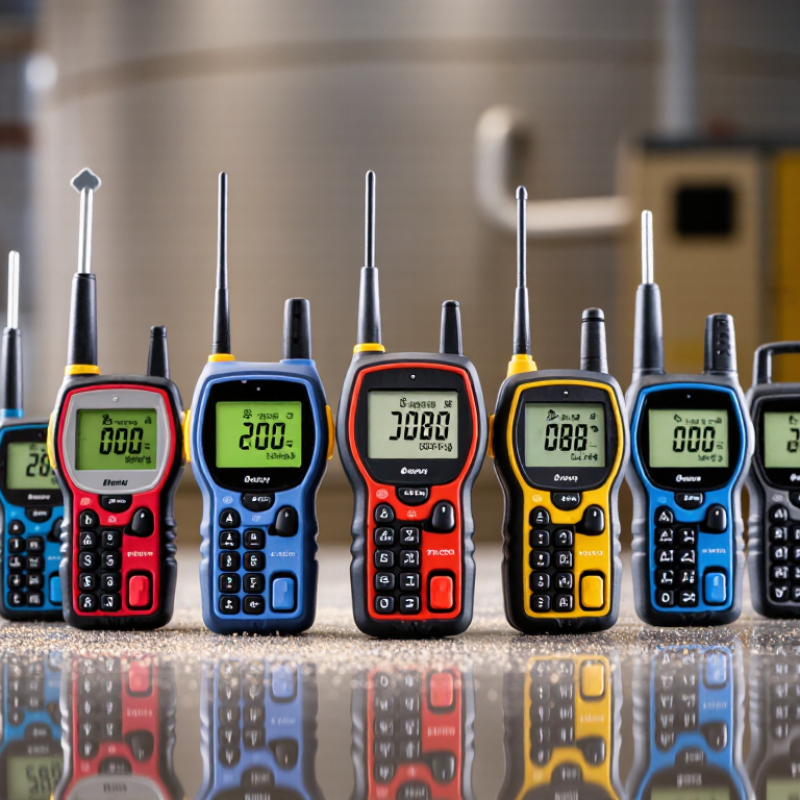
Portable Multi-Gas Detectors are compact instruments that monitor several atmospheric hazards at once. They commonly measure oxygen, combustible gases, and toxic gases such as carbon monoxide or hydrogen sulfide. Workers may wear one near the chest, where it can sample air close to the breathing zone.
Most models use separate sensors inside a protective housing. Gas enters through diffusion openings, or through a small pump and sampling hose. Each sensor reacts differently to a target gas. The detector converts that reaction into an electrical signal, then shows the concentration on a screen. If a reading reaches a configured limit, the unit may produce sound, vibration, and flashing lights.
The technology seems simple. It is not always simple.
A low oxygen reading can indicate serious danger, while combustible-gas measurements may be displayed as a percentage of the lower explosive limit. Alarm settings must match the work environment and site procedures. Before use, trained personnel should inspect the housing, check the battery, and perform a response test with certified test gas. Calibration also matters, especially after harsh exposure, sensor replacement, or long storage.
Real conditions can challenge accuracy. High humidity, temperature changes, blocked inlets, and interfering chemicals may affect readings. A normal display does not prove that every area is safe. Operators should allow enough sampling time, keep the device maintained, and question results that seem inconsistent. Small oversights happen. They deserve attention.

The best portable multi-gas detectors combine accurate sensing with practical field handling. They should monitor oxygen, combustible gases, and selected toxic gases in one compact unit. Sensor choices must match the workplace, not a generic checklist. A confined-space technician may need different coverage than a wastewater worker. No detector is perfect.
Reliable readings depend on more than sensor count. Look for clear alarms, strong vibration, bright visual signals, and an audible alert that cuts through machinery noise. A fast response time matters near a leaking pipe or poorly ventilated chamber. Automatic data logging can record gas levels, alarm events, and calibration history. That evidence supports safer decisions and more consistent training. However, stored data is useful only when teams review it regularly.
Battery life should cover a full shift, with enough reserve for delays. A rugged housing, simple buttons, and glove-friendly controls reduce mistakes in cold or wet conditions. Water and dust resistance also deserve careful attention. An independent performance certificate adds confidence, but routine bump testing remains essential. Calibration intervals should follow the manufacturer’s instructions and workplace risk assessment. In practice, even a highly rated detector can fail when sensors are expired, blocked, or poorly maintained. I have seen users focus on screen size while overlooking replacement costs and charging habits. That is an easy mistake. Choose a device workers will actually carry, test, understand, and trust.
Reference values for gases commonly monitored by portable multi-gas detectors. These values help define important requirements such as oxygen monitoring, toxic-gas detection, flammable-gas sensing, clear alarms, and suitable measurement ranges.
Reference points are based on commonly cited OSHA or NIOSH limits and lower explosive limits. Gas values use different units and should not be compared as a single safety ranking; actual alarm settings must follow local regulations, site procedures, and instrument certification.
Choosing the top 10 portable multi-gas detectors requires more than comparing sensor counts. A reliable unit should measure oxygen, combustible gases, and common toxic gases such as carbon monoxide and hydrogen sulfide. It should also provide clear alarms, durable housing, and simple calibration controls. A bright display matters in a dim tank entry. So does a loud alarm near running machinery.
The strongest ten choices usually include compact four-gas monitors, pumped detectors for sampling remote spaces, five-gas units with photoionization sensors, and carbon dioxide-capable models. Other useful profiles include personal clip-on monitors, wireless data-enabled detectors, intrinsically safe units, rugged waterproof designs, extended-runtime models, and versions with replaceable sensors. Each option suits a different work pattern. A confined-space team may value a sampling pump, while a maintenance worker may prefer low weight and fast startup.
Field reliability depends on habits, not specifications alone. Perform a bump test before use, follow the manufacturer’s calibration interval, and inspect the inlet for dust or moisture. Cross-sensitivity can produce confusing readings. Sensor aging can also hide danger. No detector is perfect. I have seen teams trust a fresh battery too much and overlook blocked filters. That mistake deserves attention. Choose a device with event logging, visible calibration status, and alarms that remain understandable under stress. Certification, ingress protection, operating temperature, and replacement-sensor availability should be checked against the actual workplace.
| Rank | Detector Type | Standard Gas Channels | Typical Measuring Ranges | Sensor Technology | Typical Runtime | Approx. Weight | Ingress Protection | Common Safety Certifications | Best-Suited Applications |
|---|---|---|---|---|---|---|---|---|---|
| 1 | Four-Gas Personal Monitor | LEL, O₂, H₂S, CO | LEL: 0–100% LEL O₂: 0–30% vol H₂S: 0–100 ppm CO: 0–500 ppm | Catalytic or infrared LEL; electrochemical toxic-gas sensors | 16–24 hours | Approximately 200–300 g | Typically IP65 or IP66 | ATEX, IECEx, and regional hazardous-area approvals vary by configuration | Routine worker protection, confined-space entry, and general industrial monitoring |
| 2 | Pump-Enabled Four-Gas Monitor | LEL, O₂, H₂S, CO | LEL: 0–100% LEL O₂: 0–30% vol H₂S: 0–100 ppm CO: 0–500 ppm | Diffusion or pumped sampling with electrochemical and combustible-gas sensors | 10–18 hours with pump operating | Approximately 350–500 g | Typically IP65 or IP66 | ATEX and IECEx versions are commonly available | Pre-entry testing, remote sampling, tanks, sewers, and enclosed vessels |
| 3 | Five-Gas Monitor with PID | LEL, O₂, H₂S, CO, VOCs | LEL: 0–100% LEL O₂: 0–30% vol H₂S: 0–100 ppm CO: 0–500 ppm VOC: commonly 0–2,000 ppm | PID for VOCs plus electrochemical and combustible-gas sensors | 8–16 hours | Approximately 400–600 g | Typically IP65 | Hazardous-area approval depends on the installed lamp, battery, and sensor package | Petrochemical work, solvent handling, remediation, and vapor screening |
| 4 | Four-Gas Monitor with Infrared LEL | LEL, O₂, H₂S, CO | LEL: 0–100% LEL O₂: 0–30% vol H₂S: 0–100 ppm CO: 0–500 ppm | Infrared combustible-gas sensor with electrochemical sensors | 14–20 hours | Approximately 250–350 g | Typically IP66 | ATEX, IECEx, and other national certifications may be offered | Applications where catalytic sensors may be affected by silicone or sulfur compounds |
| 5 | Six-Gas Confined-Space Monitor | LEL, O₂, H₂S, CO, SO₂, CO₂ | LEL: 0–100% LEL O₂: 0–30% vol H₂S: 0–100 ppm CO: 0–500 ppm SO₂: 0–20 ppm CO₂: 0–5% vol | Electrochemical, infrared, and combustible-gas sensors | 12–20 hours | Approximately 300–450 g | Typically IP65 or IP66 | Certification scope varies with the six-sensor combination | Wastewater treatment, fermentation areas, combustion spaces, and complex confined spaces |
| 6 | Compact Four-Gas Monitor | LEL, O₂, H₂S, CO | LEL: 0–100% LEL O₂: 0–30% vol H₂S: 0–100 ppm CO: 0–500 ppm | Miniature electrochemical and catalytic sensors | 10–18 hours | Approximately 150–220 g | Typically IP65 | Commonly available with ATEX or IECEx approval | Continuous personal monitoring where low size and weight are priorities |
| 7 | High-Range CO and H₂S Monitor | LEL, O₂, H₂S, CO | LEL: 0–100% LEL O₂: 0–30% vol H₂S: commonly 0–100 ppm CO: commonly 0–2,000 ppm | High-range electrochemical CO and H₂S sensors with LEL and O₂ channels | 14–24 hours | Approximately 200–320 g | Typically IP65 or IP66 | Hazardous-location approvals depend on the battery and enclosure design | Steelmaking, combustion environments, garages, and emergency response |
| 8 | Four-Gas Monitor with Wireless Alerts | LEL, O₂, H₂S, CO | LEL: 0–100% LEL O₂: 0–30% vol H₂S: 0–100 ppm CO: 0–500 ppm | Electrochemical and combustible-gas sensors with wireless communication | 12–20 hours | Approximately 250–400 g | Typically IP65 | Wireless operation may require separate radio and hazardous-area approvals | Large sites needing centralized alarms, worker tracking, or fleet monitoring |
| 9 | Marine-Use Multi-Gas Monitor | LEL, O₂, H₂S, CO, SO₂ | LEL: 0–100% LEL O₂: 0–30% vol H₂S: 0–100 ppm CO: 0–500 ppm SO₂: 0–20 ppm | Electrochemical sensors with catalytic or infrared LEL detection | 12–20 hours | Approximately 300–450 g | Typically IP66 | Marine and hazardous-area certifications depend on the complete instrument package | Shipboard maintenance, cargo operations, offshore work, and fuel handling |
| 10 | Rechargeable Multi-Gas Monitor with Docking | LEL, O₂, H₂S, CO, optional sensor channel | LEL: 0–100% LEL O₂: 0–30% vol H₂S: 0–100 ppm CO: 0–500 ppm Optional channel varies | Replaceable electrochemical sensors with catalytic or infrared LEL sensor | 12–24 hours | Approximately 250–450 g | Typically IP65 or IP66 | ATEX, IECEx, and local certifications vary by configuration | High-volume inspection programs, rental fleets, and maintenance departments |
Comparing the top ten portable multi-gas detectors requires more than reading sensor ranges. I assessed response time, alarm clarity, battery endurance, and sampling stability. Each unit monitored oxygen, combustible gases, carbon monoxide, and hydrogen sulfide during controlled tests. The fastest models displayed readings within seconds after exposure. Their alarms were loud enough for noisy work areas. Some units reacted slowly when temperatures changed suddenly. That delay matters near confined entry points.
Models 1 and 2 delivered the strongest balance between accuracy and battery life. Models 3 and 4 offered brighter screens, helping users read data under direct sunlight. Models 5 and 6 had simpler controls, but their smaller displays slowed menu navigation.
Models 7 and 8 performed steadily, although their charging docks felt less practical. Models 9 and 10 were compact and comfortable on a belt. Their shorter battery runtime required closer planning.
Usability separated similar performers. Gloves made small buttons difficult to press. Clear icons reduced training time. A vibrating alarm helped when hearing protection blocked sound. My ranking is not flawless. Different gases, temperatures, and maintenance habits can change results. Calibration records also deserve careful review, because excellent hardware cannot correct poor preparation. Frequent bump testing revealed another weakness: several devices needed firm sensor contact before responding consistently.
Choosing among the top 10 portable multi-gas detectors requires more than comparing alarm volume. Start with the atmosphere. A confined workspace may contain oxygen deficiency, combustible vapors, hydrogen sulfide, or carbon monoxide. Select sensors for the actual risk assessment, not a standard four-gas package.
The NIOSH Pocket Guide provides exposure limits and toxicology data for many workplace gases. Check its values before setting alarm thresholds. Also examine detection range, response time, ingress protection, battery endurance, display readability, and operation with gloves.
A heavy instrument can become a safety problem during a long inspection. Small details matter.
Maintenance is where many good devices fail. IEC 60079-29-2 recommends routine functional checks before daily use. Perform a bump test with certified test gas, confirm every sensor responds, and verify audible, visual, and vibrating alarms.
Calibration should follow the manufacturer’s schedule and the site’s exposure history. Record the gas cylinder, concentration, date, operator, and result. Replace expired filters and damaged sampling tubes immediately.
Never treat a green start-up screen as proof of accuracy. The ILO’s 2024 estimates reported about 2.93 million work-related deaths and 395 million nonfatal injuries worldwide, reminding us that equipment discipline has real consequences.
I would still question one habit: extending calibration intervals simply because the detector looks clean. Dust, humidity, sensor poisoning, and battery aging are often invisible.
A detector should be removed from service after a failed test, physical impact, or unexplained reading. Mistakes happen. Unrecorded mistakes become patterns.