Top 10 Home Energy Management Systems You Should Consider?
The demand for energy efficiency has never been higher. According to the U.S. Department of Energy, homes consume about 22% of total energy in the nation. This creates a pressing need for effective solutions. A Home Energy Management System (HEMS) can provide much-needed oversight in managing energy consumption efficiently.
Recent studies show that smart home technologies can lead to a 10-30% reduction in energy use. These figures underline the relevance of integrating HEMS into everyday living. Users can monitor usage patterns and make informed decisions about energy use. This enables families to reduce their bills and environmental impact.
However, not all HEMS are created equal. Some systems might fall short of user expectations, lacking integration or analytics features. It's crucial to consider how each system aligns with your specific needs. Investing in a HEMS requires careful reflection on usability and functionality. Selecting the right system can pave the way for significant energy savings and contribute to a sustainable future.
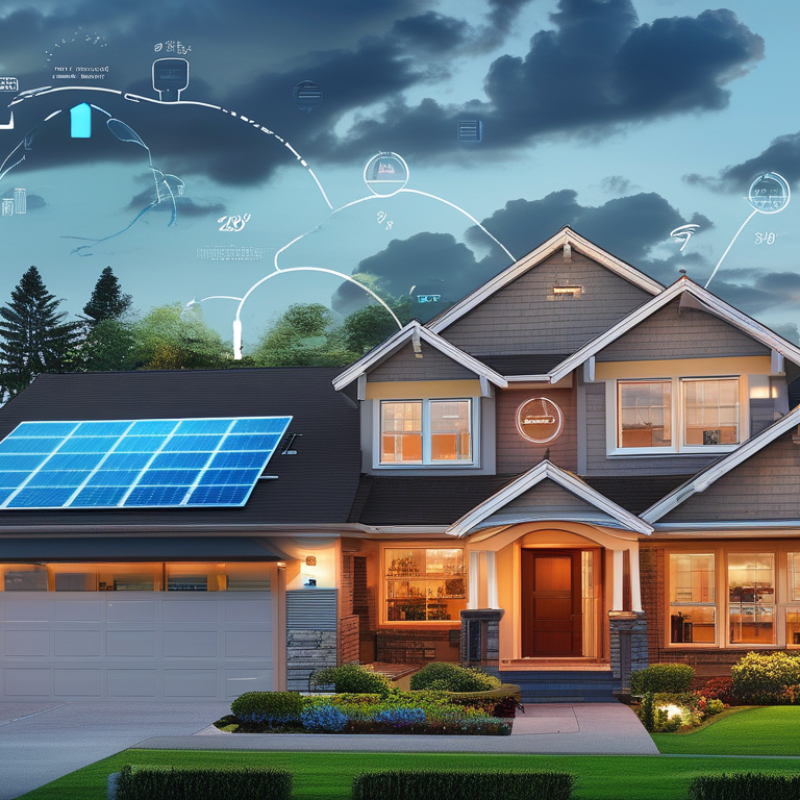
The Importance of Home Energy Management Systems for Energy Efficiency
Home energy management systems (HEMS) play a crucial role in enhancing energy efficiency. They provide valuable insights into energy consumption patterns. This helps homeowners make informed decisions. By monitoring energy usage, families can identify areas for improvement. Small changes can lead to significant savings over time.
Tips for efficiency include: setting timers for appliances. Schedule your dishwasher or laundry during off-peak hours. This not only reduces energy costs but also eases demand on the grid. Another tip is to utilize smart thermostats. They adjust heating and cooling based on your routines, optimizing energy use while maintaining comfort.
Consider investing in energy-efficient appliances. They consume less energy and often come with smart features. However, remember that initial costs can be high.
Examine your energy bills regularly. Look for trends or sudden spikes in usage. If changes occur, investigate. Sometimes energy waste is hidden, like leaks in insulation. A small issue can lead to greater inefficiencies if ignored. Adopting mindfulness about your energy consumption can lead to better decisions.
Key Features to Look for in Top Energy Management Systems
When selecting a home energy management system (HEMS), consider key features that optimize efficiency. Firstly, real-time monitoring is crucial. The best systems allow users to track energy consumption live. A recent report revealed that homes using real-time data saw a 10-15% reduction in energy use. This feature empowers homeowners to make informed decisions.
Automation capabilities are fundamental as well. Systems that automate routines based on usage patterns help in maximizing savings. For instance, if a system predicts higher usage during peak hours, it can adjust settings accordingly. Reports indicate that effective automation can lead to 20% savings annually. However, it's essential to evaluate the learning curve. Some systems may require significant setup effort, which can be frustrating initially.
User interface and accessibility matter significantly. A well-designed platform engages users and encourages energy-saving behaviors. Many systems offer mobile apps that send alerts and allow remote access. Ensuring compatibility with smart home devices also enhances functionality. Yet, the complexity of smart technology can overwhelm some users. A balance between efficiency and usability is vital for long-term success.
Comparative Analysis of Leading Home Energy Management Technologies
In the landscape of home energy management systems (HEMS), the choices can be overwhelming. An extensive report by Navigant Research highlighted that the global home energy management market is expected to grow at a CAGR of around 25% through the next five years. This growth reflects increasing consumer awareness of energy efficiency. Yet, many homeowners struggle to identify the most effective systems.
A comparative analysis shows that user-friendly interfaces are crucial. Reports indicate that 82% of users prioritize ease of use over advanced features. Energy monitoring and real-time data analytics are vital. Systems utilizing machine learning can adapt to user habits. However, many existing systems still lack seamless integration with renewable energy sources. A study from Global Data found that only 35% of HEMS can effectively manage solar panel data.
Reliability is a significant concern. Often, systems fail to deliver promised efficiency gains. Over 40% of users reported issues with connectivity and data accuracy. Real-world performance doesn't always match industry claims. This mismatch highlights the need for more rigorous testing and transparency in marketing claims. Addressing these inconsistencies remains a challenge for manufacturers.
Impact of Smart Home Systems on Energy Consumption and Costs
The impact of Smart Home Systems on energy consumption is profound. According to the International Energy Agency, smart technology can reduce home energy use by up to 15%. This reduction often stems from systems providing real-time energy data, enabling homeowners to make informed decisions.
For instance, programmable thermostats can adjust heating and cooling automatically, minimizing unnecessary usage. Studies indicate that homeowners save an average of 10-30% on heating and cooling bills when they utilize smart thermostats effectively. Additionally, smart lighting systems can further enhance energy savings. They can be set to turn off automatically when not in use, leading to a significant drop in electricity expenses.
However, the transition to smart home systems is not without challenges. Initial costs can be high, and some systems require technical expertise for setup. Furthermore, not all systems integrate easily with existing home infrastructure. Therefore, while the benefits are clear, homeowners must carefully assess their needs and resources before investing in these technologies. This reflective approach can lead to better energy management and cost-saving in the long run.
Impact of Smart Home Systems on Energy Consumption and Costs
Future Trends in Home Energy Management and Renewable Integration
The future of home energy management is being shaped by advancements in technology and renewable integration. Smart systems are evolving to enhance energy efficiency. These solutions gather real-time data on energy usage patterns. This data helps users make informed decisions. For instance, a homeowner might learn that energy peaks occur during certain hours. This insight can lead to better energy management.
Integrating renewable sources like solar panels remains crucial. As more homes adopt solar technology, energy storage systems are in demand. These systems store excess energy for later use. However, there are challenges. Not all homes have adequate solar potential. Some areas might receive less sunlight, limiting solar effectiveness. Hence, addressing location-specific factors is essential.
Incorporating artificial intelligence in energy management can also drive innovation. AI can predict energy consumption, optimizing usage to align with renewable supply. Yet, reliance on algorithms raises questions about data privacy. The balance between efficiency and privacy must be navigated carefully. Ultimately, as the landscape changes, adapting to challenges will be necessary for effective energy management.
Top 10 Home Energy Management Systems You Should Consider
| System Name | Key Features | Compatibility | User Rating | Price Range |
| Home Energy Monitor | Real-time monitoring, energy usage insights | Wi-Fi enabled devices | 4.5/5 | $100 - $200 |
| Smart Thermostat | Temperature control, scheduling | HVAC systems | 4.7/5 | $150 - $250 |
| Energy Storage Solution | Battery storage, grid independence | Solar panels | 4.8/5 | $5,000 - $15,000 |
| Home Automation System | Integrated control of home devices | Various smart devices | 4.6/5 | $200 - $500 |
| Smart Lighting System | Remote control, energy-efficient | LED bulbs | 4.5/5 | $50 - $300 |
| Energy Management Software | Usage tracking, reports | PC and Mobile | 4.4/5 | $30 - $100 |
| Smart Plugs | Energy monitoring, scheduling | Standard outlets | 4.3/5 | $20 - $70 |
| Renewable Energy Integrator | Integration of solar/wind | Grid and off-grid systems | 4.9/5 | $1,000 - $5,000 |
| Load Control Technology | Peak load reduction, custom alerts | Smart meters | 4.5/5 | $500 - $1,500 |